Trump’s remarks signal a new security reality for U.S. allies in Europe
Trump told Europe to brace for less U.S. backing as G7 allies tried to pull Ukraine back onto his agenda.

Donald Trump’s latest remarks put Europe’s long reliance on American protection under strain again, this time in the middle of a G7 summit where allies were trying to refocus him on Ukraine. In Evian-les-Bains, French and other European leaders were left pressing a president who said he would do what he could, but offered little sign that Washington was ready to match the rhetoric with new pressure on Moscow.
At the summit on Tuesday, June 16, Trump met with Ukrainian President Volodymyr Zelenskyy and told reporters that Russia should make peace with Ukraine. He described the encounter as a “very good” meeting and said, “I’m gonna do whatever I can,” adding, “Look, Russia should make a deal.” The comments landed against a backdrop of uncertainty over how much the United States would keep carrying, after Trump said the war’s impact on the U.S. was limited and called the fighting “ridiculous.”
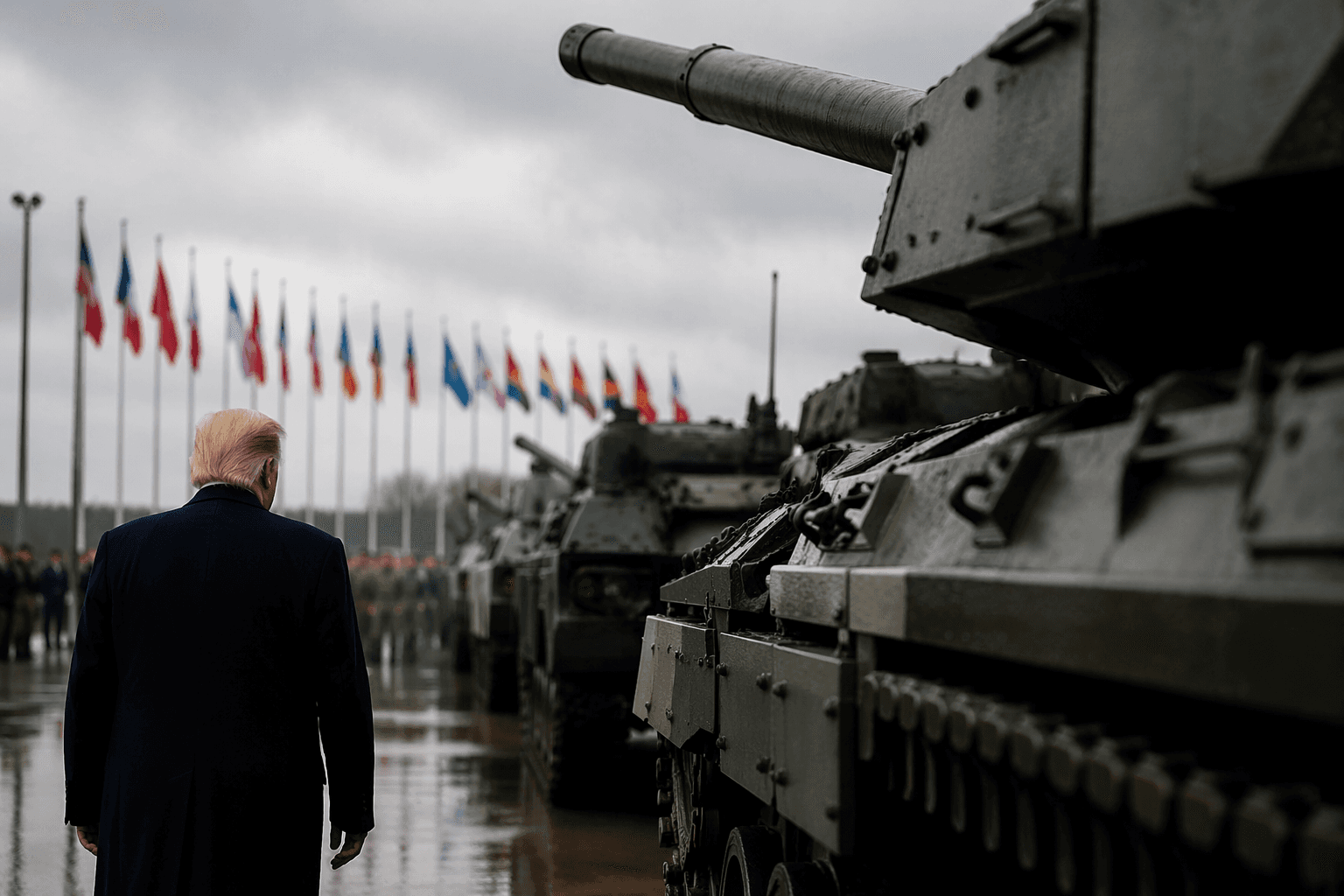
The policy divide was visible in the numbers and the burden-sharing. The G7 talks lasted just 75 minutes, according to the French presidency, while the U.S. under Trump has cut back aid to Ukraine and France and its European allies have become the largest providers of military and financial support to Kyiv. That shift is more than a funding dispute; it is a sign that allies are adjusting to a security order in which Washington may no longer serve as the automatic backstop it was for eight decades.
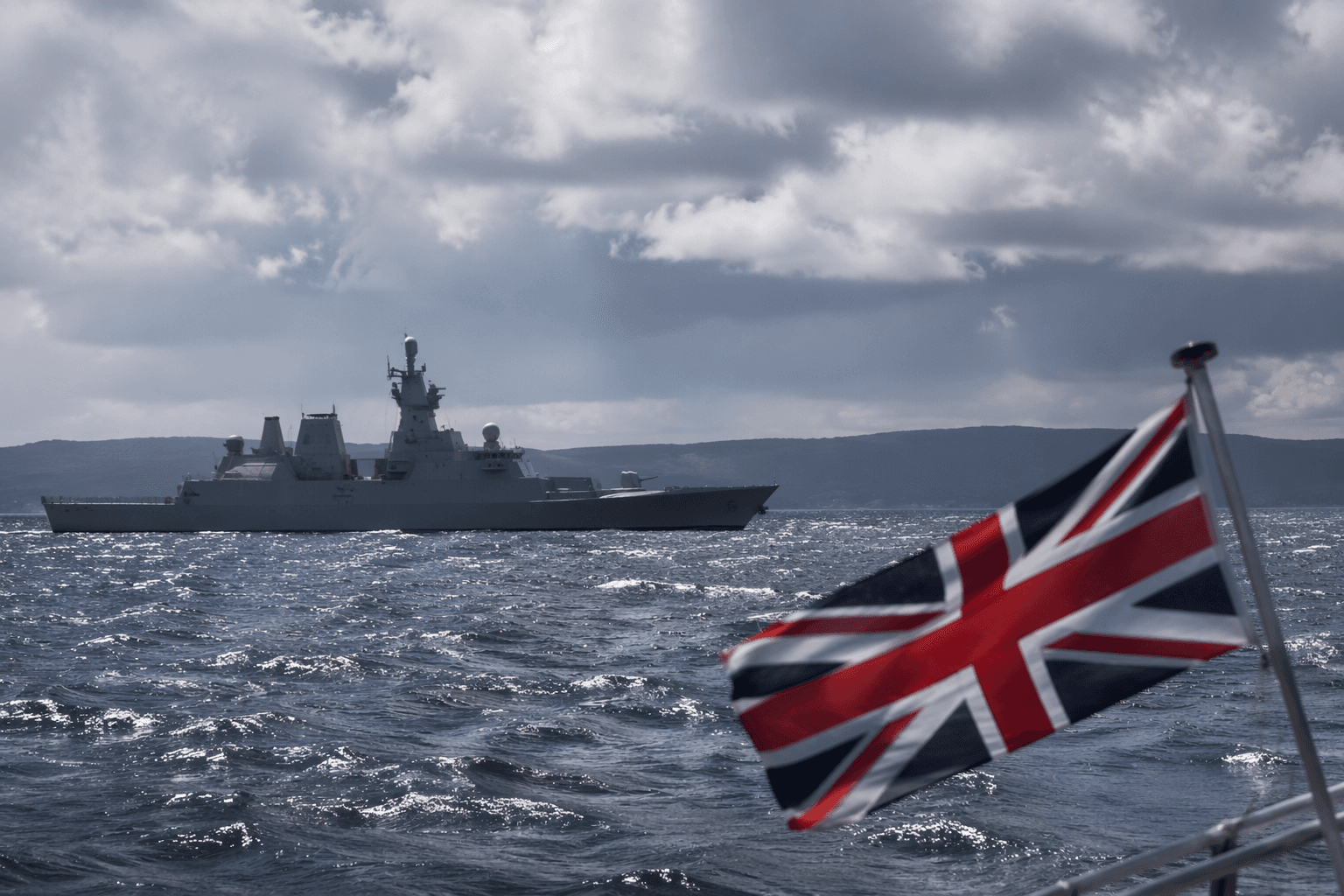
European leaders also tried to keep sanctions pressure on Russia from slipping off the table. The U.K. announced new measures targeting Russia’s shadow fleet and the finance networks Moscow uses to evade Western sanctions, while European diplomats said Trump was noncommittal about further U.S. sanctions. Zelenskyy, who joined G7 leaders for the working session, also sought stronger air defenses and discussed additional sanctions aimed at forcing Moscow back to the negotiating table.
The political significance is clear: allies are no longer just asking Washington to lead, they are testing whether Trump’s language will translate into concrete policy on Ukraine and NATO burden-sharing. For Europe, the summit underscored a new security reality, one in which reassurance from the United States is less certain and the cost of defending the continent is increasingly being pushed back onto European capitals.
This article was produced by Prism’s automated news system from verified source data, official records, and press releases, then run through automated quality and moderation checks before publishing. The system is built and supervised by the people who set the standards it runs under. Read our full AI policy.
Know something we missed? Have a correction or additional information?
Submit a Tip