Trump’s White House ballroom plan sparks preservation lawsuits and outrage
The National Trust sued to stop Trump’s White House ballroom, after the East Wing was torn down and more than 32,000 comments flooded the federal docket.
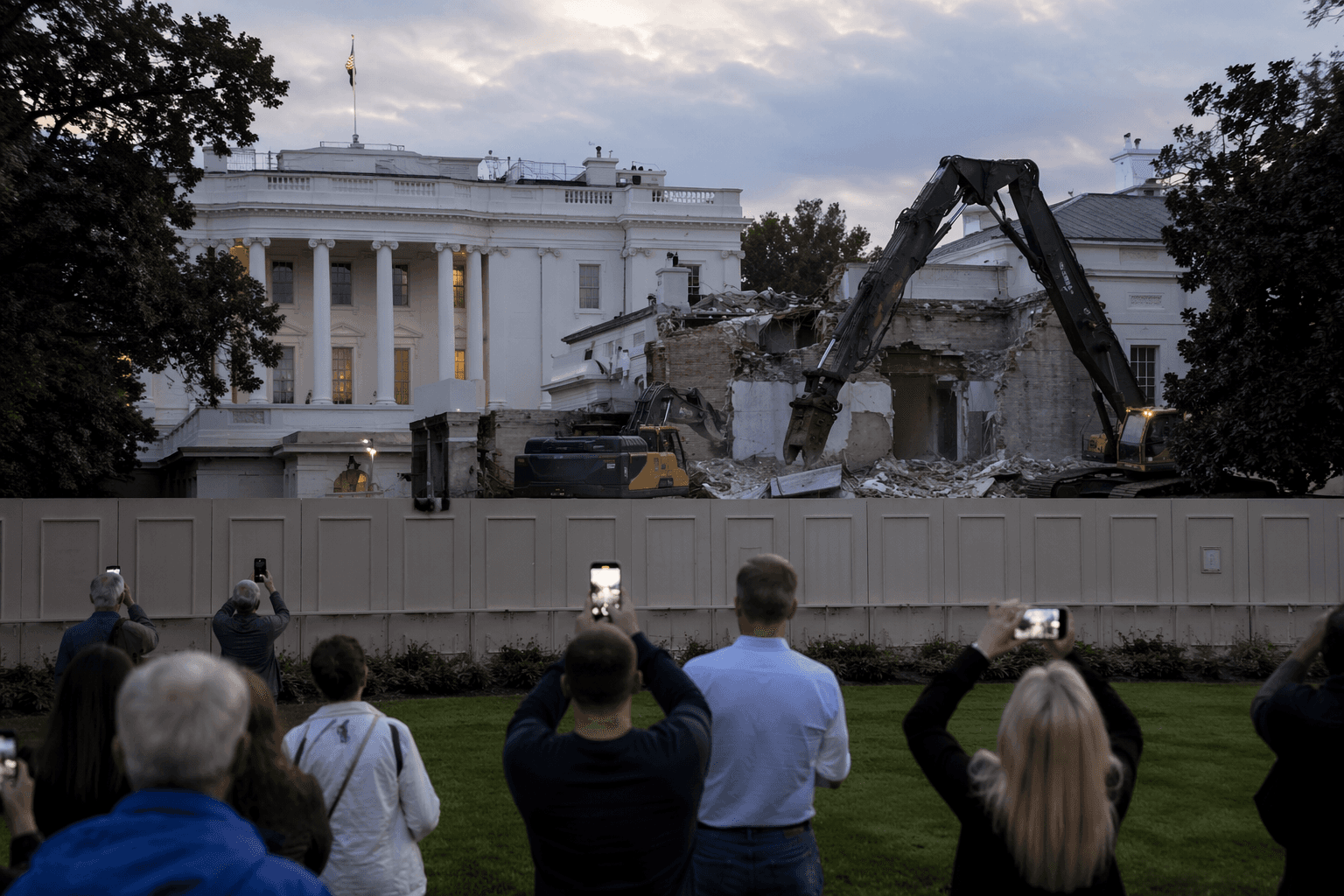
The National Trust for Historic Preservation went to federal court on December 12, 2025, to try to stop Donald Trump’s White House ballroom project after the East Wing had already been torn down to make room for a 90,000-square-foot event space. The suit turned a construction fight into a test of presidential power over one of the country’s most scrutinized buildings.
The project is formally described by the National Capital Planning Commission as the East Wing Modernization project, and the White House said it was intended to create a permanent, secure event space for official state functions. Site preparation began in September 2025, and by late October 2025 the East Wing and its colonnade were gone. Critics said the demolition erased a section of the White House complex that had long housed offices for the First Lady and White House staff.
The National Trust’s lawsuit in the U.S. District Court for the District of Columbia argued that the administration bypassed required congressional authorization, environmental review, and public comment procedures. That legal challenge pushed the question far beyond design or decor: it asked whether a president can alter federal landmark property at 1600 Pennsylvania Avenue NW without the procedural checks that usually apply to major public projects.
Public reaction was immediate and overwhelming. The National Capital Planning Commission received more than 32,000 comments on the ballroom proposal, and roughly 97% opposed it. Preservation groups said the scale of the project, combined with the loss of the East Wing, marked an unprecedented transformation of a national symbol whose significance reaches back to the presidency of Thomas Jefferson.
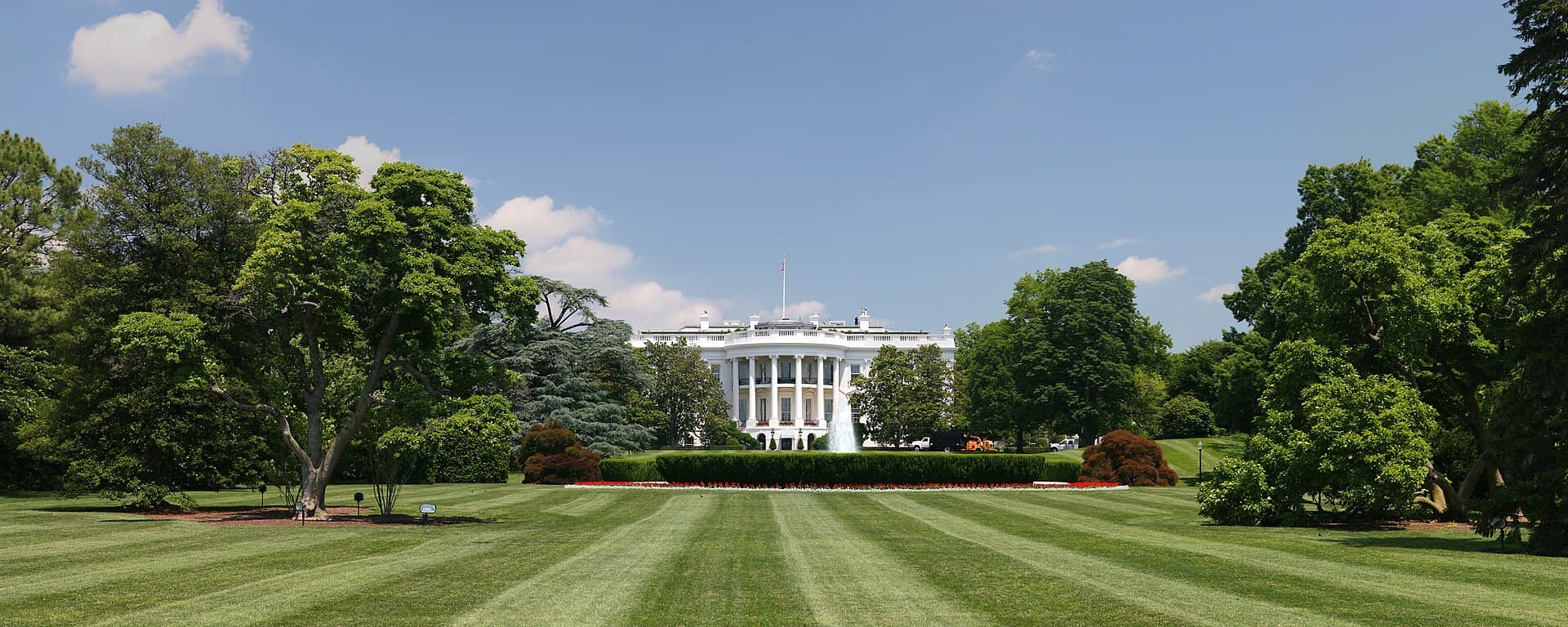
Trump administration allies have defended the project as an evolution of the White House complex. Opponents see something else: an attempt to redefine the civic landscape of Washington on a presidential timetable, with the White House’s historic character and the balance between executive authority and public oversight at stake.
The financial scope has only sharpened the dispute. Reporting has put the ballroom’s cost at roughly $400 million, while other accounts cited a no-bid contract worth up to $500 million. On April 2, 2026, the planning commission approved the ballroom plans, giving the project another formal nod even as preservationists warned that the legal and symbolic fight was far from over.
This article was produced by Prism’s automated news system from verified source data, official records, and press releases, then run through automated quality and moderation checks before publishing. The system is built and supervised by the people who set the standards it runs under. Read our full AI policy.
Did this article answer your question?