TSA Screens Record 3.13 Million Passengers During Holiday Surge
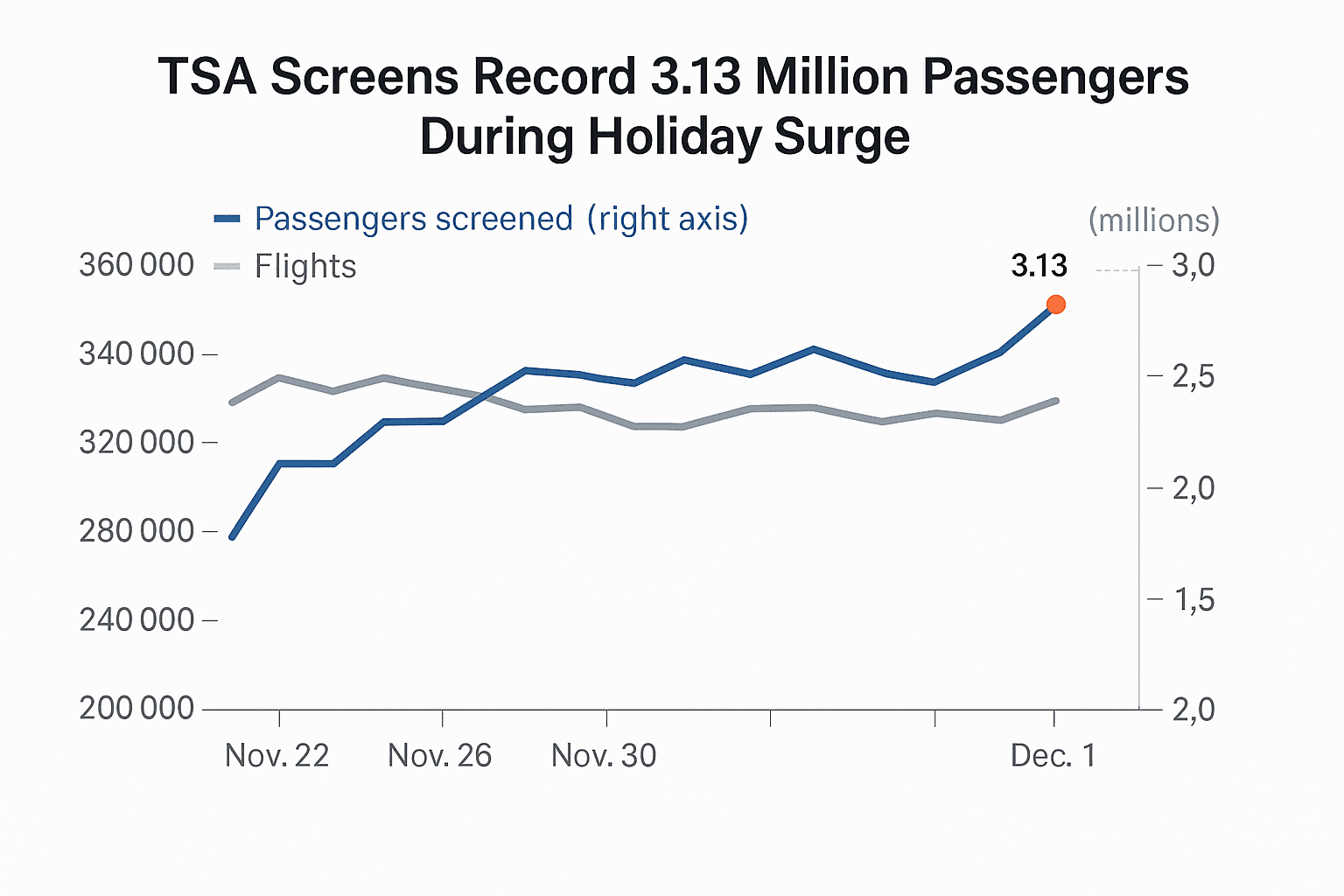
The Transportation Security Administration screened a record 3.13 million airline passengers on December 1, the highest single day total in U.S. aviation history. The figure highlights strain on airport operations, underscores regulatory and staffing challenges for agencies and carriers, and will shape policy and oversight debates in Washington.
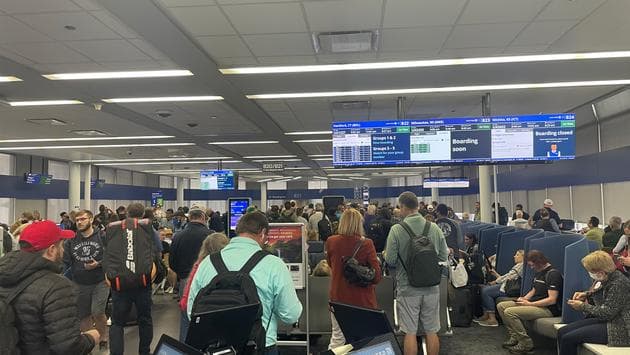
On December 1, 2025 the U.S. Transportation Security Administration screened a record 3.13 million airline passengers, marking the busiest single day in the nation s aviation history. The figure arrived at the peak of the Thanksgiving and holiday travel rush and surpassed the previous single day record of 3.09 million set on June 22, 2025.
Trade group Airlines for America estimated that U.S. carriers would handle roughly 31 million passengers over an 11 day stretch that included the peak travel day. The Federal Aviation Administration projected more than 360,000 flights during the nine days ending December 2, establishing the busiest nine day span in 15 years. The convergence of record passenger volumes and high flight counts put pressure on airport terminals, ground operations and airline scheduling.
Airlines faced additional operational headwinds tied to a regulatory order requiring software retrofits on some Airbus A320 family aircraft after an in flight incident prompted regulators to mandate fixes. Carriers reported that completing the mandated work contributed to service disruptions, and JetBlue disclosed that it had implemented additional cancellations while carrying out the retrofits. The retrofit work, coming as carriers contend with peak demand, illustrated the trade off between immediate reliability and systemic safety compliance.
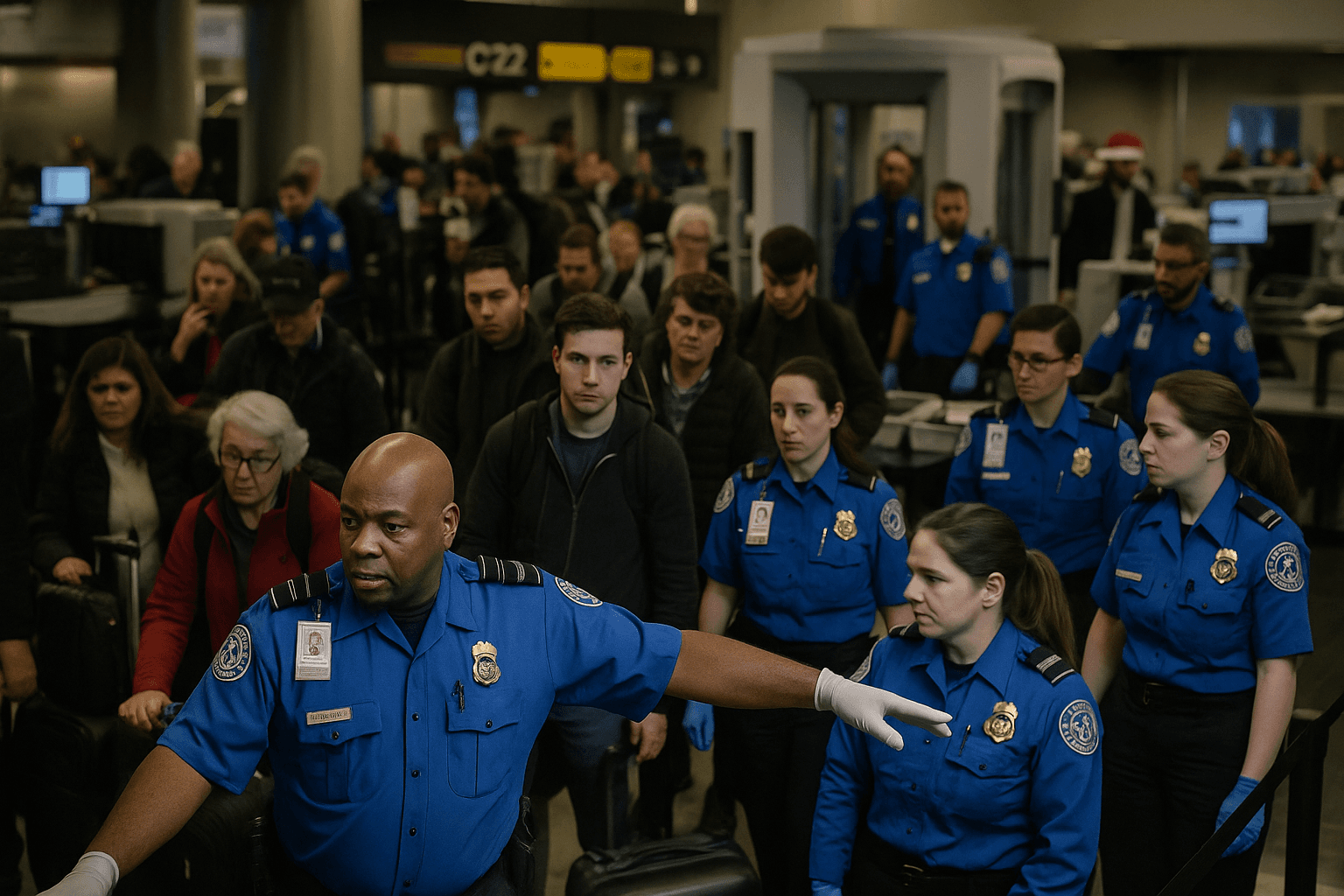
The Biden administration has expanded TSA staffing in recent years to respond to rising passenger totals and to shorten wait times at security checkpoints. The agency s ability to manage unprecedented one day volumes will be assessed against that hiring and resource expansion. Airport authorities and carriers also cited increased demand for gate access, ramp services and air traffic control capacity as contributing factors to delays and cancellations during the holiday surge.
The episode raises immediate policy questions for federal agencies and for Congress. Lawmakers will likely scrutinize whether current funding and staffing levels at TSA and the FAA are sufficient to sustain rising demand, and whether capital projects at airports and investments in technology can keep pace with passenger growth. Regulators must also balance the urgency of safety mandates against the operational burden imposed on carriers, while ensuring that consumers receive timely communications and protections when disruptions occur.
Institutional readiness and coordination between federal agencies, airlines and airports will be central to managing future peak periods. The record day is a test of the aviation system s resilience as carriers pursue fleet changes and as regulators impose corrective measures following safety incidents. For travelers the peak day underscored the importance of contingency planning by airlines and the need for clear public information from both carriers and government agencies.
As transportation volumes continue to climb, the convergence of regulatory action, infrastructure capacity and workforce availability will shape both short term travel reliability and longer term policy debates on aviation funding, oversight and consumer protections.
This article was produced by Prism’s automated news system from verified source data, official records, and press releases, then run through automated quality and moderation checks before publishing. The system is built and supervised by the people who set the standards it runs under. Read our full AI policy.
Did this article answer your question?