TSA warns 6% of flyers lack REAL ID as $45 ConfirmID fee starts
TSA told Congress about a 6% noncompliance rate and will begin charging $45 for alternative ID checks, raising stakes for travelers and airports.
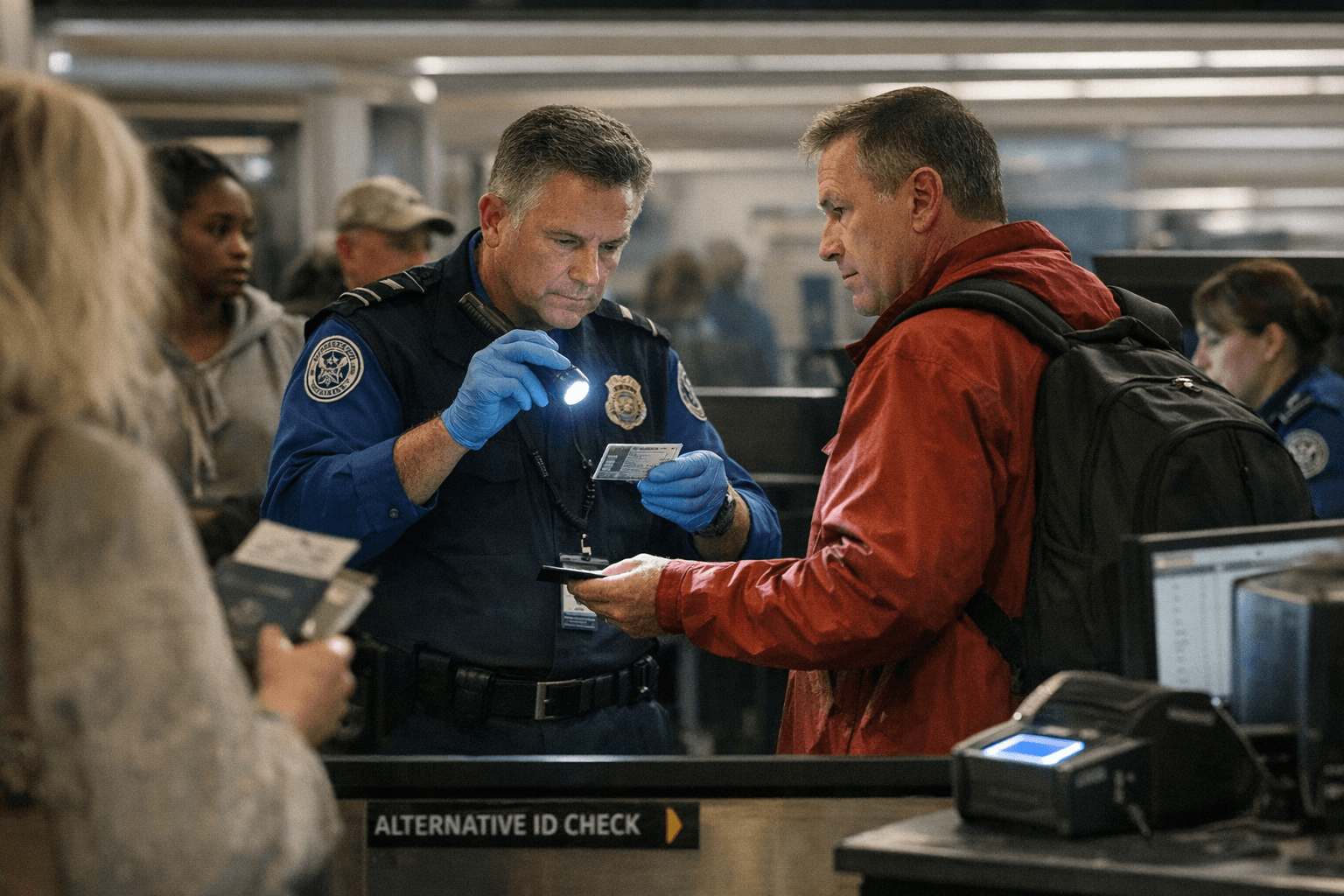
Roughly 6 percent of U.S. air travelers do not carry identification that meets federal REAL ID standards, the Transportation Security Administration told Congress, prompting the agency to begin charging a $45 fee for alternative identity verification beginning Feb. 1, 2026. The announcement crystallizes a shift in enforcement that could affect thousands of passengers and amplify operational friction at security checkpoints.
At a House hearing on Jan. 21, TSA officials said compliance had inched up from about 93 percent last year to roughly 94 percent at the time of testimony, leaving an estimated 6 percent of the nation’s roughly 2.5 million daily air travelers without acceptable ID. That equates to approximately 150,000 travelers a day who might need enhanced screening, be turned away, or opt to pay for an expedited identity check through TSA ConfirmID.
TSA describes ConfirmID as an optional, modernized identity-verification process for adults 18 and older who arrive at a checkpoint without a REAL ID or another acceptable form of identification and still wish to travel. The agency says the process collects basic identifying information, including name and current address, to confirm identity. The fee will cover a 10-day period for each traveler who uses the service, TSA materials state.
Adam Stahl, acting deputy administrator for TSA, framed the fee as a user charge: “TSA ConfirmID will be an option for travelers that do not bring a REAL ID or other acceptable form of ID to the TSA checkpoint and still want to fly. Impacted travelers will have the option to pay $45 and use the TSA ConfirmID process. This fee ensures that non-compliant travelers, not taxpayers, cover the cost of processing travelers without acceptable IDs.”
TSA urges travelers to obtain REAL ID-compliant credentials or other acceptable identification before flying to avoid delays or missed flights. Travelers who decline ConfirmID and lack compliant ID may be denied access to the security screening line and could miss flights. The agency warns that paying at the checkpoint may require exiting the line to complete payment and then rejoining, adding potentially significant delay.
The fee formalizes a cost shift that agency officials said was reviewed after enforcement of REAL ID began in May 2025. TSA Deputy Administrator Ha Nguyen McNeil told lawmakers the administration examined processing costs and noted an earlier decision increased a prior fee from $18 to $45. TSA presents the charge as a way to allocate costs to the passengers who create the need for additional processing.
Beyond immediate traveler inconvenience, the policy has implications for airlines and airports that already manage tight schedules. Even if only a portion of the estimated 150,000 daily noncompliant travelers seek ConfirmID, checkpoint slowdowns could ripple into longer lines, missed connections and extra costs for rebooking. The move also underscores a longer trend toward heightened identity requirements in travel and the increasing use of fee structures to fund security operations rather than general appropriations.
Children under 18 traveling within the United States remain exempt from the REAL ID rule and the ConfirmID fee. TSA has published guidance and resources at TSA.gov/real-id and an ID list at TSA.gov/travel/security-screening/identification. Travelers with questions can text AskTSA at 275-872, call the TSA Contact Center at 866-289-9673, or submit inquiries via TSA.gov.
This article was produced by Prism’s automated news system from verified source data, official records, and press releases, then run through automated quality and moderation checks before publishing. The system is built and supervised by the people who set the standards it runs under. Read our full AI policy.
Did this article answer your question?

