TSMC adds $100 billion to Arizona chip manufacturing expansion
TSMC’s extra $100 billion lifts its U.S. commitment to $165 billion, but the real test is whether Arizona can supply labor, packaging and speed.

TSMC added another $100 billion to its U.S. buildout on March 4, bringing the company’s planned American investment to $165 billion and pushing the Arizona project to $265 billion overall when the original commitment is counted. The bigger question is not the scale of the pledge, but how much of the chip supply chain the United States can actually win back with it.
President Donald J. Trump joined TSMC chief executive C.C. Wei at the White House for the announcement, which the administration framed as the largest foreign direct investment in U.S. history. The White House said the expansion would add five fabs in Arizona and generate thousands of jobs, a message aimed squarely at Washington’s push to anchor more advanced manufacturing onshore.
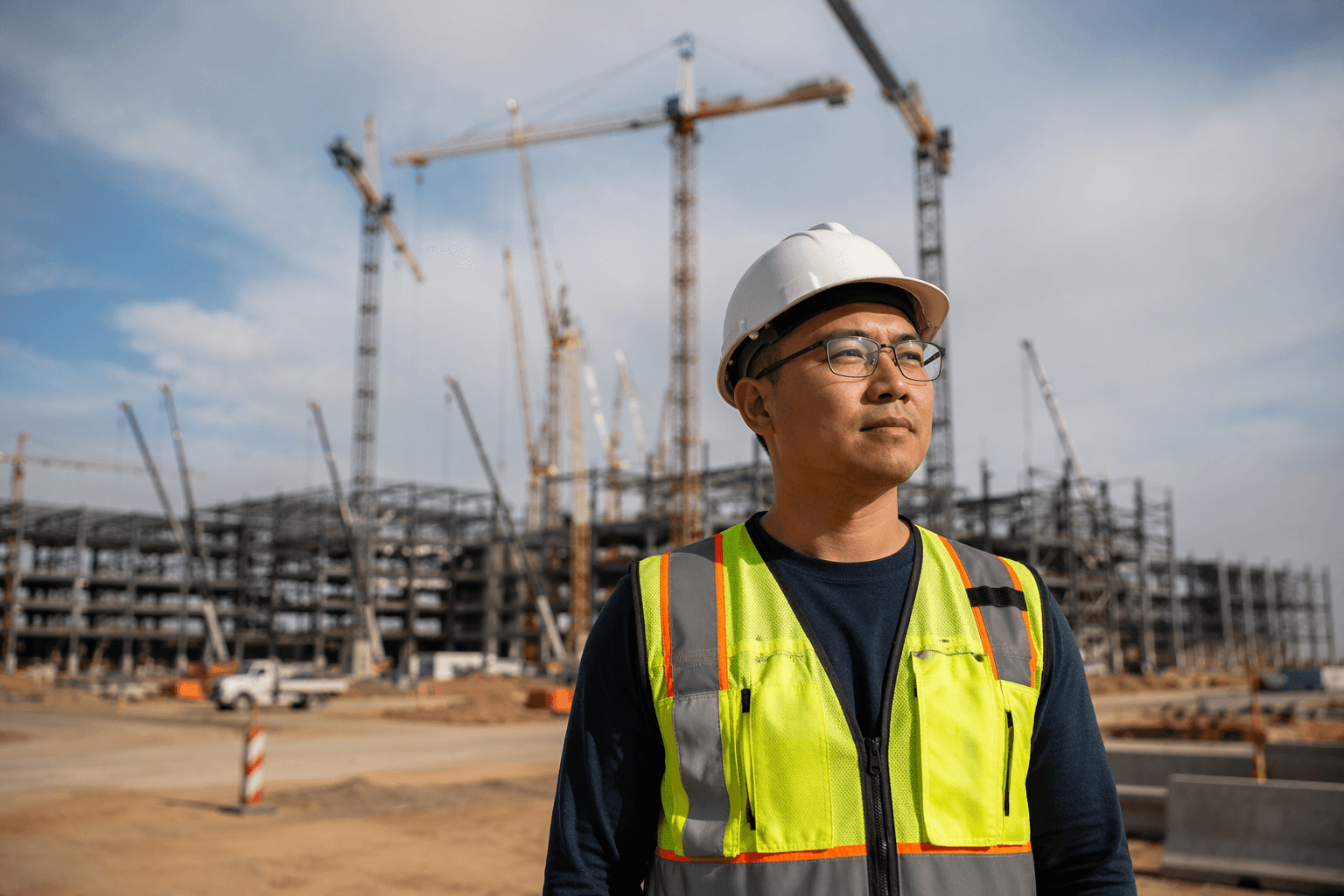
TSMC’s own plan is more specific. The company said the expanded project would include three new fabrication plants, two advanced packaging facilities and a major research and development center. TSMC also said its Arizona buildout, which began in 2020 when Phoenix was selected for its first advanced U.S. semiconductor manufacturing site, would eventually include six semiconductor wafer fabs, two advanced packaging facilities and an R&D team center.
That matters because wafer fabrication is only one link in the chain. Advanced packaging has become a critical bottleneck for the most sophisticated chips used in artificial intelligence and other cutting-edge applications, and TSMC is signaling that it intends to build that capability in Arizona rather than ship those steps abroad. Even so, the timeline shows how much of the payoff remains ahead: TSMC said the expansion would support 40,000 construction jobs over the next four years, while the longer-term payoff would come later in the form of tens of thousands of high-paying jobs in manufacturing and research.
The company said the broader project could generate more than $200 billion of indirect economic output in Arizona and across the United States over the next decade. That is a large economic footprint, but it also underscores the slow work involved in reducing reliance on Taiwan and other Asian chip hubs. Building fabs is one thing; staffing them, wiring in suppliers and scaling packaging capacity is another. TSMC’s Arizona bet gives the United States a larger foothold in advanced chips, but it does not erase the geopolitical exposure that still comes with a supply chain concentrated in a few places.
This article was produced by Prism’s automated news system from verified source data, official records, and press releases, then run through automated quality and moderation checks before publishing. The system is built and supervised by the people who set the standards it runs under. Read our full AI policy.
Did this article answer your question?