Turkey opposition vows to fight court ruling ousting leader
Turkey’s main opposition moved to resist a court ruling that reinstated Kemal Kilicdaroglu, deepening a legitimacy crisis that rattled markets and raised new doubts about democratic stability.

Turkey’s main opposition said it would fight a court ruling that removed Ozgur Ozel as leader of the Republican People’s Party and handed control back to former chairman Kemal Kilicdaroglu, a decision that jolted investors and sharpened fears over the country’s democratic balance. The ruling struck at the heart of the CHP, the secular, centrist party founded by Mustafa Kemal Ataturk, and turned an internal party dispute into a test of institutional legitimacy in a NATO member state already under intense political strain.
The Ankara 36th Civil Chamber of the Regional Court of Appeals annulled the CHP’s November 4-5, 2023 38th Ordinary Congress, citing irregularities in the vote that brought Ozel to power. The challenge had been filed by former Hatay Metropolitan Mayor Lutfu Savas and other delegates, who alleged vote-buying, delegate manipulation and procedural misconduct. Prosecutors later sought prison terms of up to three years and political bans for 12 defendants, including Ekrem Imamoglu, over the congress allegations.
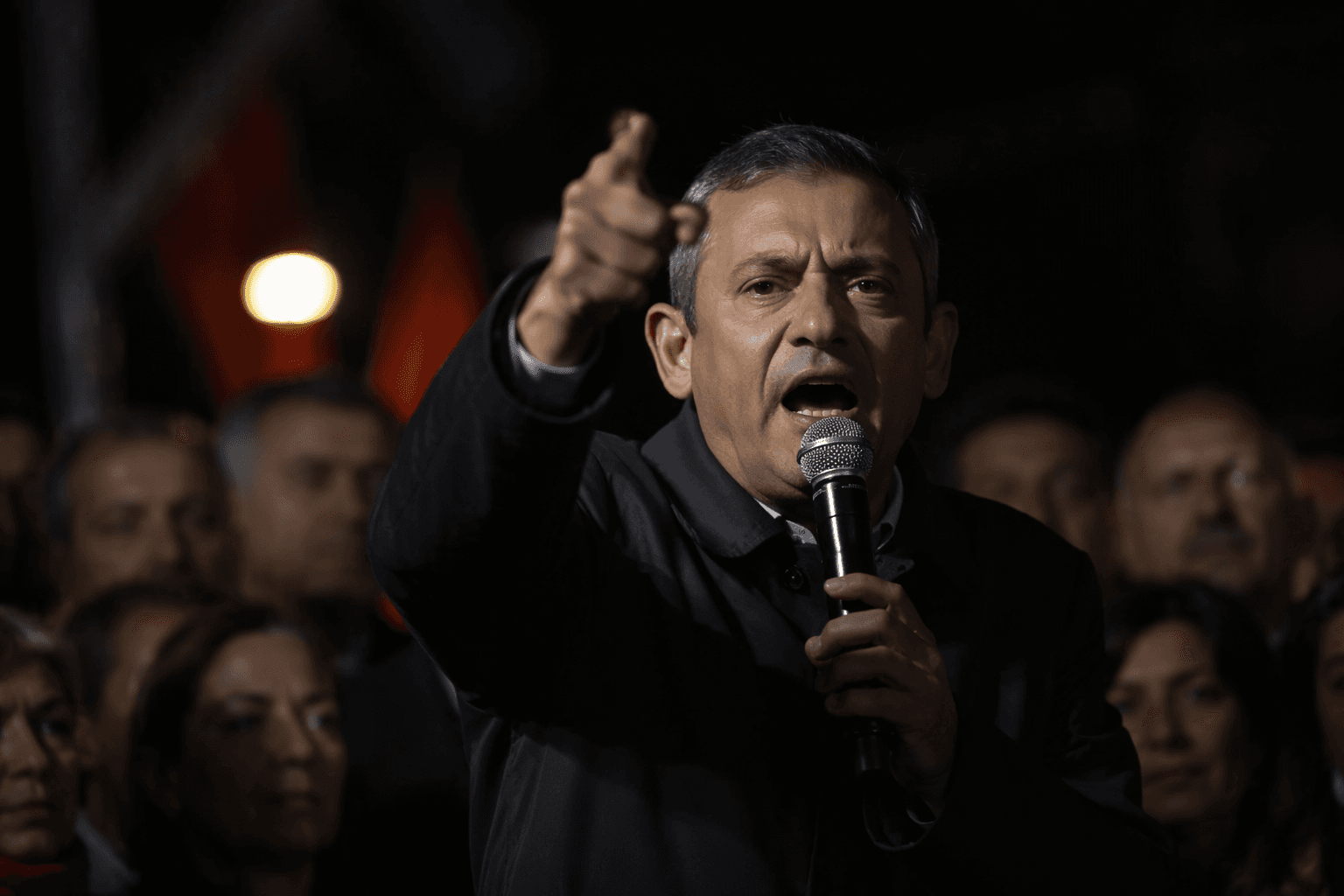
Ozel and the CHP rejected the ruling and said they would pursue legal appeals while staying at party headquarters in Ankara. Smaller opposition parties called the decision anti-democratic, while Devlet Bahceli, President Tayyip Erdogan’s nationalist ally, said the judiciary should not interfere in internal party matters. Berk Esen, a political scientist at Sabanci University, said the ruling was unprecedented in Turkey’s administrative law and political history and warned that, if upheld, it could open the door for courts to determine party leadership, with no comparable example in the country’s electoral system since 1946.
The case landed against a backdrop of widening pressure on the opposition. Reuters-linked reporting says the CHP has faced an intensified legal crackdown since 2024, with hundreds of members and elected officials detained on corruption and other charges the party denies. Imamoglu, a leading CHP figure and presidential contender, was jailed in March 2025 on graft and other charges he denies, and his university diploma was annulled, blocking him from running under current Turkish rules. A separate Istanbul court case in September 2025 also targeted the party’s provincial congress over alleged irregularities, reinforcing the sense of a sustained campaign against the opposition.
The ruling also rattled markets. European investors pulled back from Turkish assets as the political fallout grew, reflecting concern that instability could spill into currency, bond and equity prices. Vice President Cevdet Yilmaz dismissed the turmoil as “daily market developments” and said Turkey remained committed to its economic program aimed at lowering inflation, which was above 32% last month. With Erdogan at his term limit, unable to run again unless an early election is called or the constitution is amended, and lacking the 360 seats in Turkey’s 600-seat parliament needed to call a referendum, the fight over the CHP has become a larger struggle over who can shape the country’s future before the 2028 presidential vote.
This article was produced by Prism’s automated news system from verified source data, official records, and press releases, then run through automated quality and moderation checks before publishing. The system is built and supervised by the people who set the standards it runs under. Read our full AI policy.
Did this article answer your question?