Turkey's BOTAS Secures Long Term LNG Supplies from SEFE, Eni
Turkey's state gas importer BOTAS signs two separate 10 year liquefied natural gas deals with Germany's SEFE and Italy's Eni at the World LNG Summit in Istanbul, locking in supplies that begin in 2028. The pacts boost winter supply certainty and diversify Turkey's import mix as Europe rewrites energy contracts following geopolitical shifts and policies aimed at reducing reliance on Russian gas.

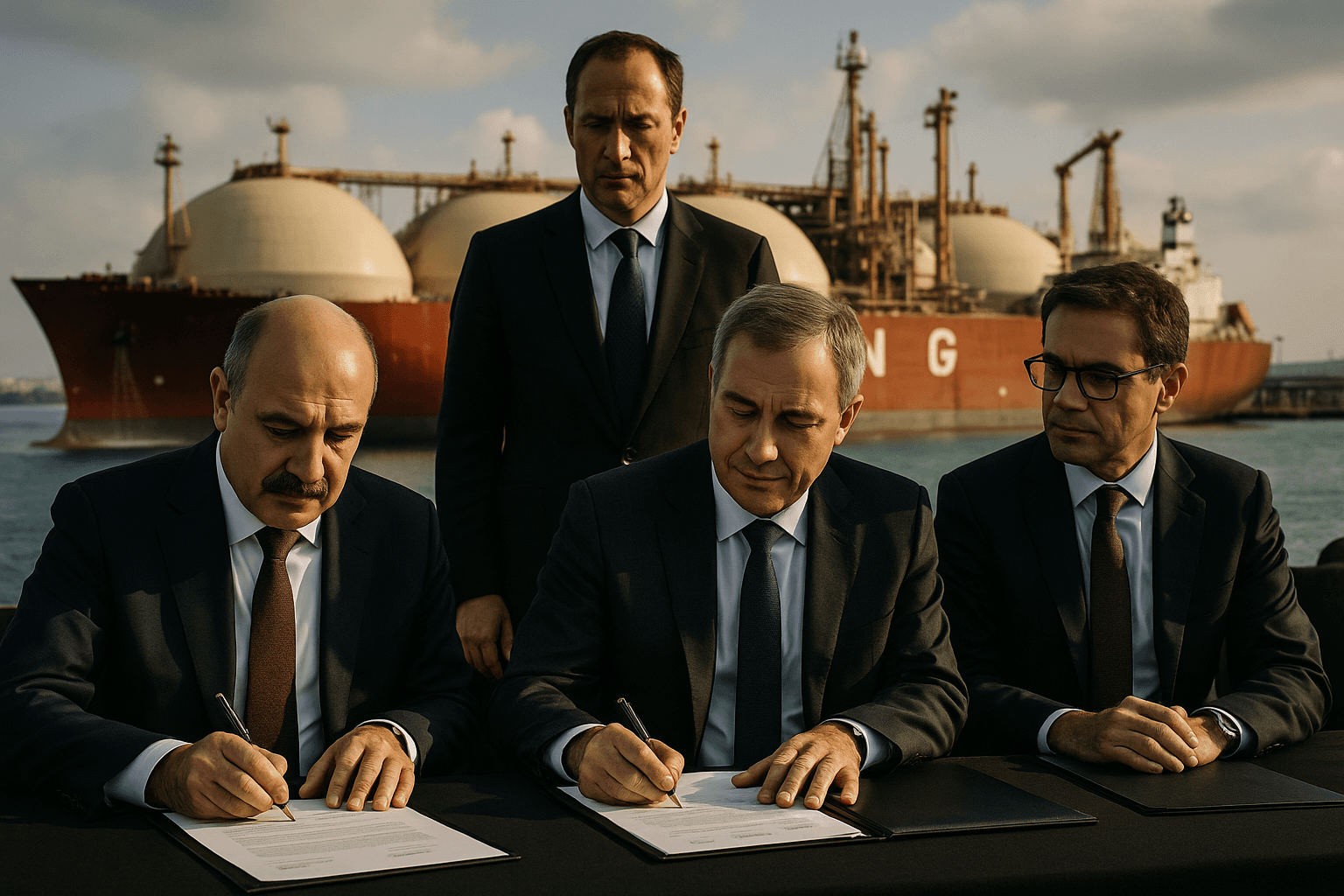
Turkey's state energy company BOTAS on Wednesday concluded two separate 10 year liquefied natural gas contracts with Germany's SEFE and Italy's Eni on the sidelines of the World LNG Summit in Istanbul, securing additional winter shipments that are scheduled to start in 2028.
Under the BOTAS SEFE agreement deliveries will total about 6 bcm over 10 winter seasons, while the BOTAS Eni pact will provide roughly 5 bcm over 10 winter seasons. Taken together the deals imply average shipments of about 1.1 bcm per winter season, a modest but targeted addition to Turkey's winter supply buffer aimed at smoothing demand spikes.
Turkey imports the bulk of its natural gas needs and has repeatedly flagged winter security as a priority after prices and volumes became volatile in recent years. BOTAS, as the main state buyer and transporter of gas, has been expanding its portfolio of long term and spot purchases to reduce exposure to single source risks and to secure capacity into storage and regasification slots. The two contracts announced today reinforce that approach by adding multi year LNG volumes from established western suppliers.
The timing and tenor of the deals reflect broader shifts across Europe and nearby markets. Since the major realignment in gas flows in 2022, governments and companies have sought to rework contractual relationships, increase LNG procurement, and build flexibility to withstand supply shocks. EU measures and market sentiment designed to lessen dependence on pipeline supplies from Russia have prompted purchasers to lock in LNG cargoes from a wider set of producers and traders, with consequences for spot and contract markets across the Atlantic and Asia.
For Turkey the new supply lines carry both strategic and market implications. Strategically, the deliveries are winter season focused, which suggests BOTAS is prioritizing peak demand resilience rather than full year baseload supply. On market terms the incremental volumes are likely to be blended into BOTAS's broader procurement mix, affecting how the company uses storage assets and purchases on the short term market. The average of about 1.1 bcm per winter season would represent a material cushion during cold snaps, without radically altering Turkey's overall import levels.
LNG market conditions will influence the effective cost and flexibility of the supplies. Global cargo availability, regasification capacity, and shipping rates in the second half of the decade will shape how easily Turkey can integrate these volumes. The 2028 start date gives markets and policy makers time to plan around infrastructure needs and to adjust fiscal and tariff arrangements that govern imported gas distribution.
Economists and market analysts will watch how BOTAS allocates the contracted cargoes between domestic sales and any potential re exports, and whether similar multi year deals follow with other suppliers. For now the agreements demonstrate Turkey's intent to shore up winter security through diversification and bilateral contracting as regional energy architecture continues to adjust to new geopolitical realities.
This article was produced by Prism’s automated news system from verified source data, official records, and press releases, then run through automated quality and moderation checks before publishing. The system is built and supervised by the people who set the standards it runs under. Read our full AI policy.
Did this article answer your question?

