Twin Cities restaurants limit service amid federal immigration enforcement presence
Restaurants across St. Paul and the Twin Cities temporarily closed or limited service after a large federal immigration enforcement presence. Hourly workers faced lost shifts and safety concerns.
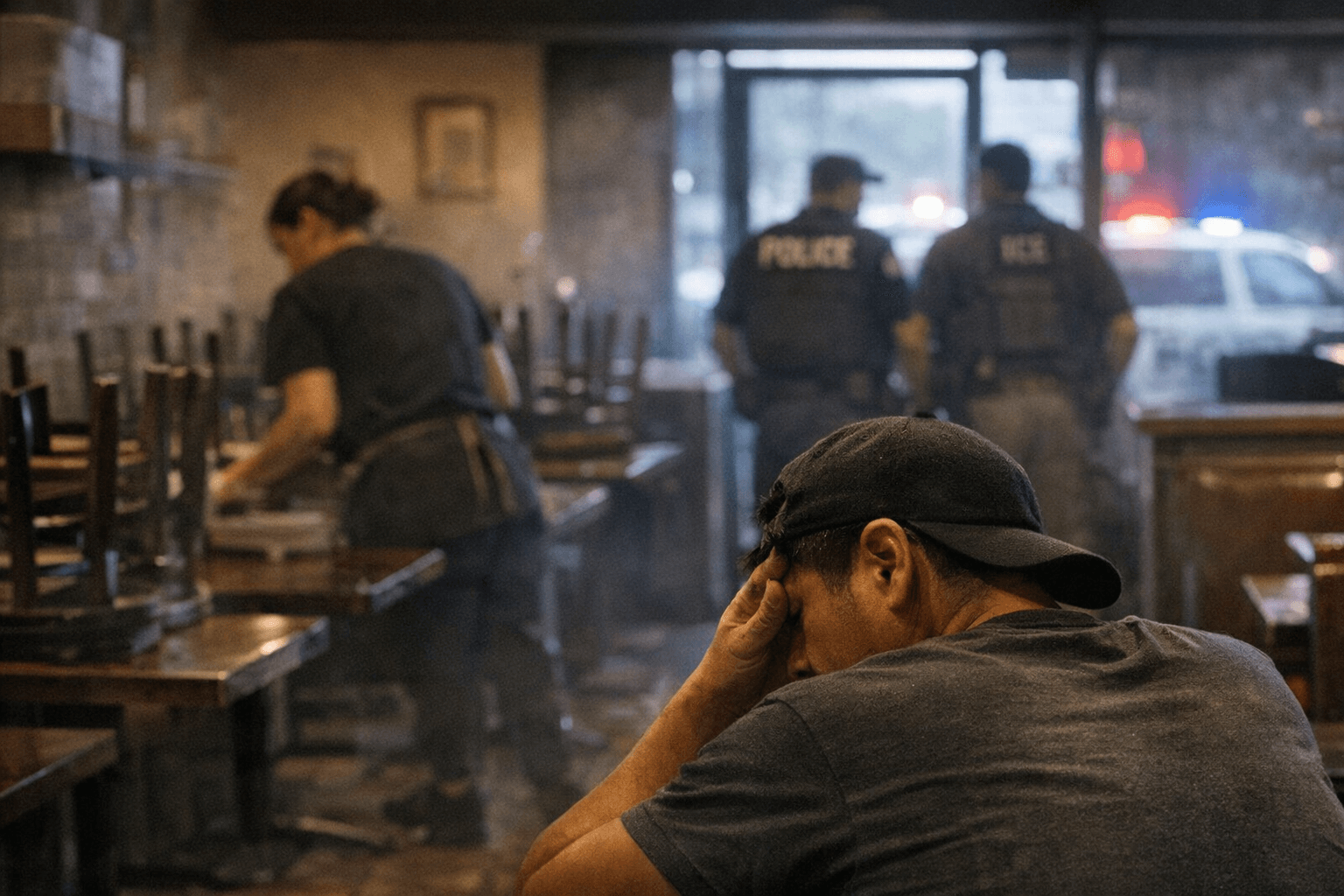
A wave of temporary closures, reduced hours, and altered service models swept through restaurants and small businesses in St. Paul and across the Twin Cities after a significant federal immigration enforcement presence moved into the area. Owners and managers shifted operations to protect staff and patrons, and the changes reverberated through front-of-house and back-of-house schedules.
Across neighborhoods, restaurants that normally relied on full dining-room service restricted access by locking doors, switching to takeout-only, or stationing attendants at entrances to vet guests. Others shut their dining rooms entirely for short periods while supporting staff who were anxious or directly affected. Management decisions were often framed as measures to prioritize employee well-being and safety, including mental-health considerations for workers worried about enforcement activity in their communities.
These operational tweaks translated directly into fewer hours and lost income for hourly workers. Servers, bartenders, cooks, and dish staff reported schedule disruptions as establishments cut shifts to match reduced diner traffic or temporarily closed. For tipped staff, reduced dining-room capacity and takeout-only service hit wages hardest because tip volume fell even when total sales were partially maintained. Managers scrambled to adjust call-off policies and reassign duties, but many workers faced immediate pay gaps.
Community reaction was swift. Neighbors and local patrons organized informal fundraising and support efforts for affected crews, with several family-run restaurants reporting benefit drives or donations to help staff cover rent and bills during shutdowns. Those localized relief efforts helped some employees bridge shortfalls but did not erase the systemic vulnerability that sudden enforcement actions can create for hourly-service workers.
The disruptions also reshaped workplace dynamics. Employers had to weigh legal and operational risks against staff safety and morale, while team leaders handled sensitive conversations about employee vulnerability and privacy. Some restaurants that reopened with modified service models implemented door attendants to limit exposure and protect staff, a step that changed the customer experience and increased labor demands at the front of house.
The events in mid-January are a reminder that immigration enforcement activity can have immediate ripple effects on restaurant operations and worker livelihoods. For restaurateurs, the episode underscores the need for contingency plans that include clear communication with staff, short-term financial support mechanisms, and operational protocols to safeguard both employees and customers. For workers, it highlights the precarious nature of hourly incomes tied to in-person service and the importance of community safety nets when disruptions occur.
Sources:
Know something we missed? Have a correction or additional information?
Submit a Tip

.png%3Fwidth%3D1280%26auto%3Dwebp%26quality%3D80%26disable%3Dupscale&w=1920&q=75)