Twin sisters launch £500,000 appeal for Caitlin Leggett's leukaemia treatment
Grace Leggett has quit her Bristol job to raise £500,000 for twin Caitlin’s leukaemia treatment abroad after doctors said the cancer returned for a third time.
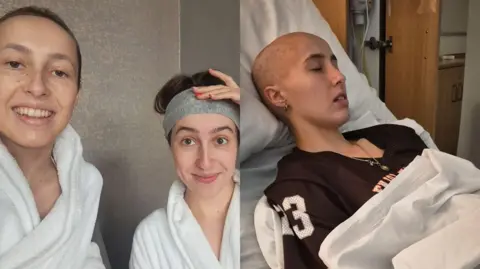
Grace Leggett has put her life on hold to raise £500,000 for her identical twin sister, Caitlin, after the 24-year-old from Cardiff was told her leukaemia had returned for a third time. The family are now looking overseas, most likely to the United States, for treatment they say could still be curative.
Caitlin Leggett was diagnosed with acute myeloid leukaemia in April 2025 after a persistent rash was the only warning sign that something was seriously wrong. She went through months of chemotherapy and a stem cell transplant in December 2025, then reached complete remission before doctors found in May 2026 that the cancer had come back. Her family say she has around six months to live under the current treatment plan, and that options available on the NHS are unlikely to offer a cure.
The appeal reflects a painful treatment gap for families facing aggressive blood cancers. Caitlin’s relatives say a second bone marrow transplant cannot be carried out in the UK, leaving them to seek specialist care abroad and to cover the full cost of medical treatment, travel and accommodation themselves. In a health system built on universal access, the family’s scramble for funds underlines how quickly some patients are pushed outside the country when standard pathways run out.
Grace Leggett has given up her job as a complex care personal assistant in Bristol and returned to Cardiff to be closer to the family while the fundraising gathers pace. She and Caitlin have always been exceptionally close, living together in a student house at the University of Bristol, and Grace said, “We’re only 24.” Caitlin said the thought of leaving her twin sister is “unthinkable” and that she does not want “our story to end here.”
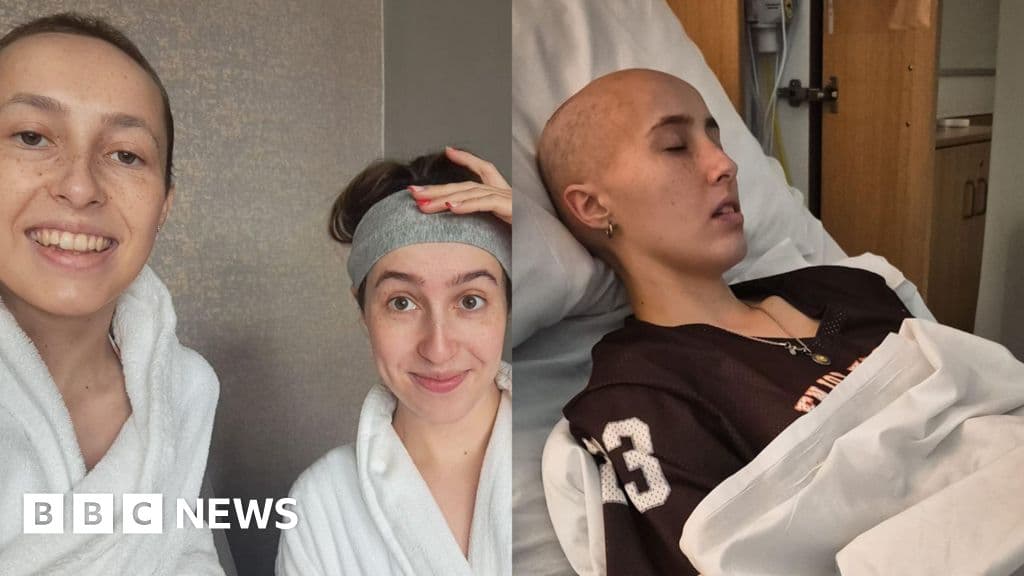
Before her diagnosis, Caitlin had graduated in July 2024 and planned to join the Army as an intelligence officer. Instead, she is now fighting for time and for access to treatment that her family believe may offer the only remaining chance.
This article was produced by Prism’s automated news system from verified source data, official records, and press releases, then run through automated quality and moderation checks before publishing. The system is built and supervised by the people who set the standards it runs under. Read our full AI policy.
Know something we missed? Have a correction or additional information?
Submit a Tip