Two Collin County skaters named to U.S. Olympic team
Two Collin County figure skaters earned spots on the U.S. team for Milano-Cortina 2026, raising local interest in skating and potential boosts for area rinks and youth programs.
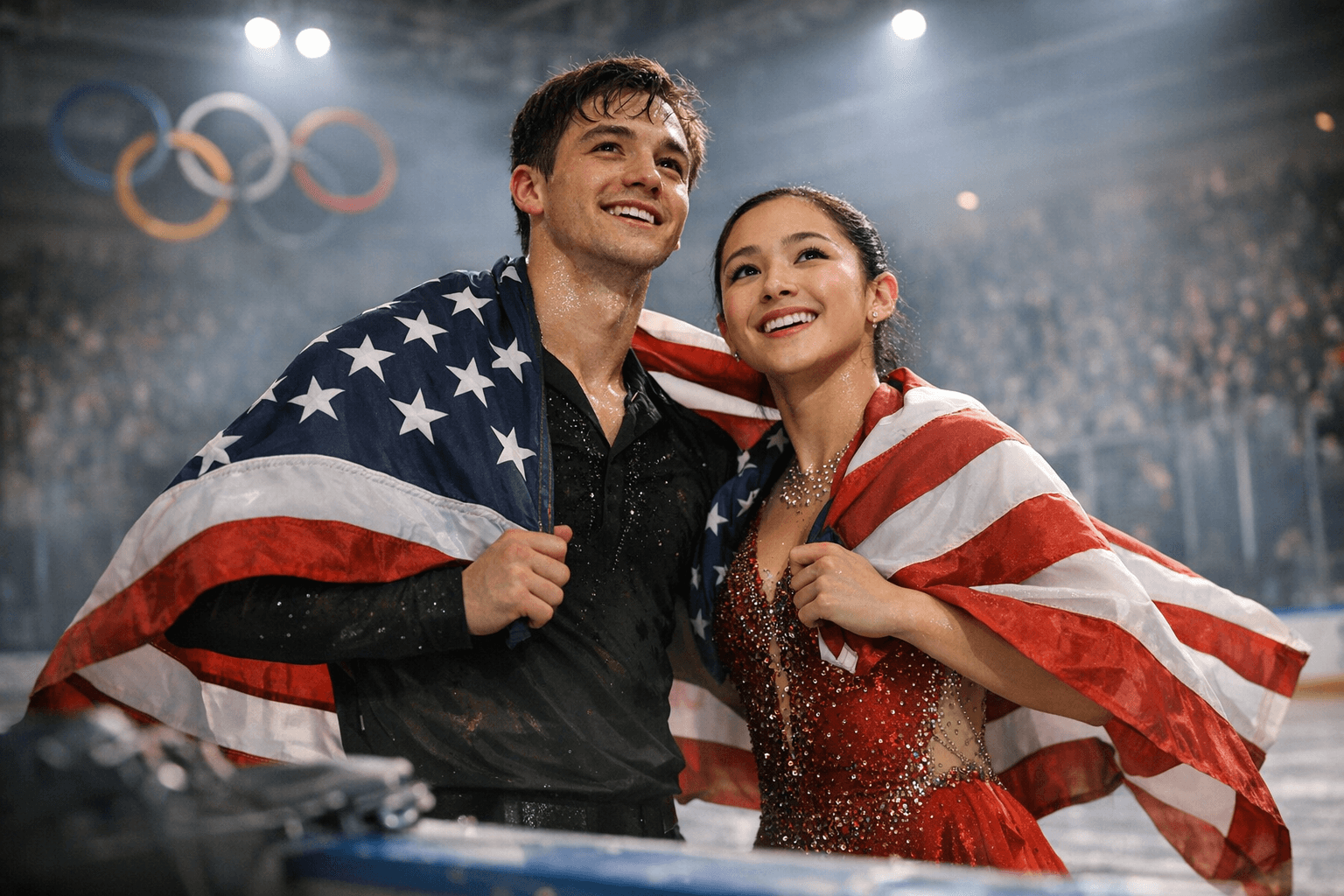
Two North Texas athletes with roots in Collin County were selected for the U.S. Olympic figure skating team after their performances at the U.S. Championships in St. Louis on Jan. 12. Plano native Amber Glenn secured a berth in the women’s singles after winning her third national title, while McKinney-raised Emily Chan, competing with partner Spencer Howe in pairs, earned selection following a comeback in the free skate.
Glenn’s third national crown underscores both her personal consistency and the depth of the U.S. women’s field. Her podium finish at nationals was the decisive result that clinched her Olympic spot and places a Collin County-trained athlete on the world stage in Milano-Cortina 2026. Chan and Howe’s selection followed a recovery from a difficult short program at nationals; their strong free skate and overall placement convinced selectors they belong on the Olympic roster.
For Collin County, the immediate significance is civic and economic as well as athletic. Local skating clubs and coaches who worked with Glenn and Chan will gain heightened visibility, which typically translates into increased demand for ice time, private lessons, and youth enrollment in learn-to-skate programs. Small businesses that serve the skating community, skate shops, tailors, physical therapists and travel coordinators, can expect a short-term uptick in business tied to exhibitions, clinics and watch parties leading up to the Games.
Municipal recreation planners and county officials should take note. High-profile athletes from Plano and McKinney can strengthen the case for continued or expanded investment in ice facilities and programming. Increased local participation in figure skating creates pressure on rink schedules and maintenance budgets, and it can influence capital decisions about new or upgraded rinks. From a budgetary perspective, modest investments in community sports infrastructure often leverage private spending and sponsorships that flow to coaches and local vendors.
Longer-term, these Olympic selections feed the talent pipeline in a region not traditionally associated with winter sports. Young skaters in Collin County now have tangible examples of a pathway from local rink to Olympic ice, which may lift retention and progression rates in youth programs. That dynamic can alter the local sports economy over several seasons, shifting leisure dollars and volunteer support toward figure skating.
What comes next for local residents is practical and immediate: expect more skating-related events, fundraising drives and community showcases in the run-up to Milano-Cortina 2026. For parents and young athletes, the selections highlight that elite outcomes are attainable from Collin County rinks; for policymakers and business owners, they offer a prompt to consider how to support and capitalize on growing interest in ice sports.
Sources:
Know something we missed? Have a correction or additional information?
Submit a Tip