Two-tier Workforce and Union Momentum Put Nintendo's Contractor Practices Under Scrutiny
Rising union momentum at AAA studios puts Nintendo's contractor practices under scrutiny, highlighting two-tier staffing and risks to job security and collective action.
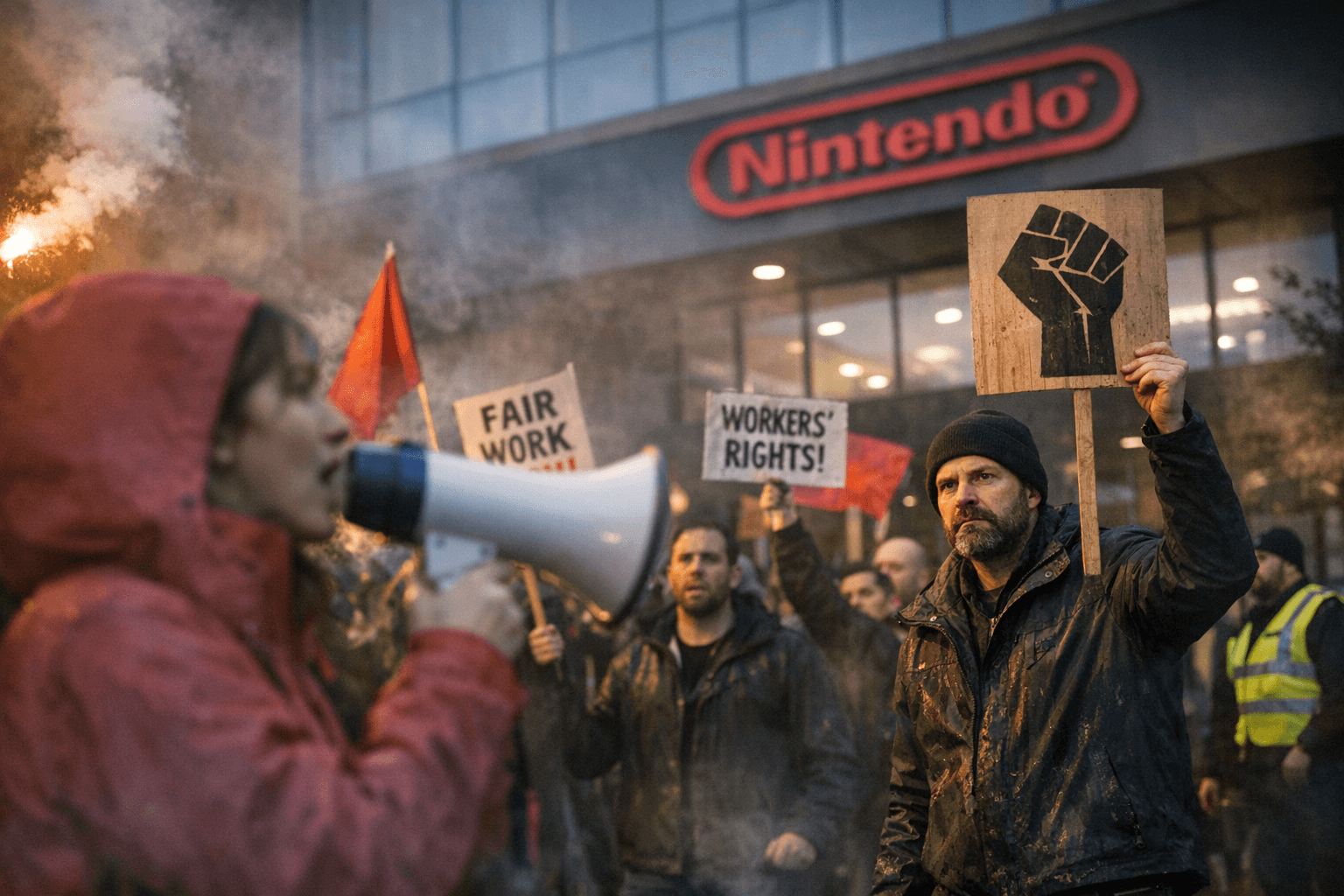
Rising union drives across major AAA game studios are refocusing attention on how companies manage contingent labor, with Nintendo among firms raised in conversations about a widening two-tier workforce. Industry disputes at high-profile studios such as Rockstar and ZeniMax have illustrated how contractor-management practices can become flashpoints when workers organize, and labor momentum is making employers' contractor policies a workplace issue rather than a back-office administrative matter.
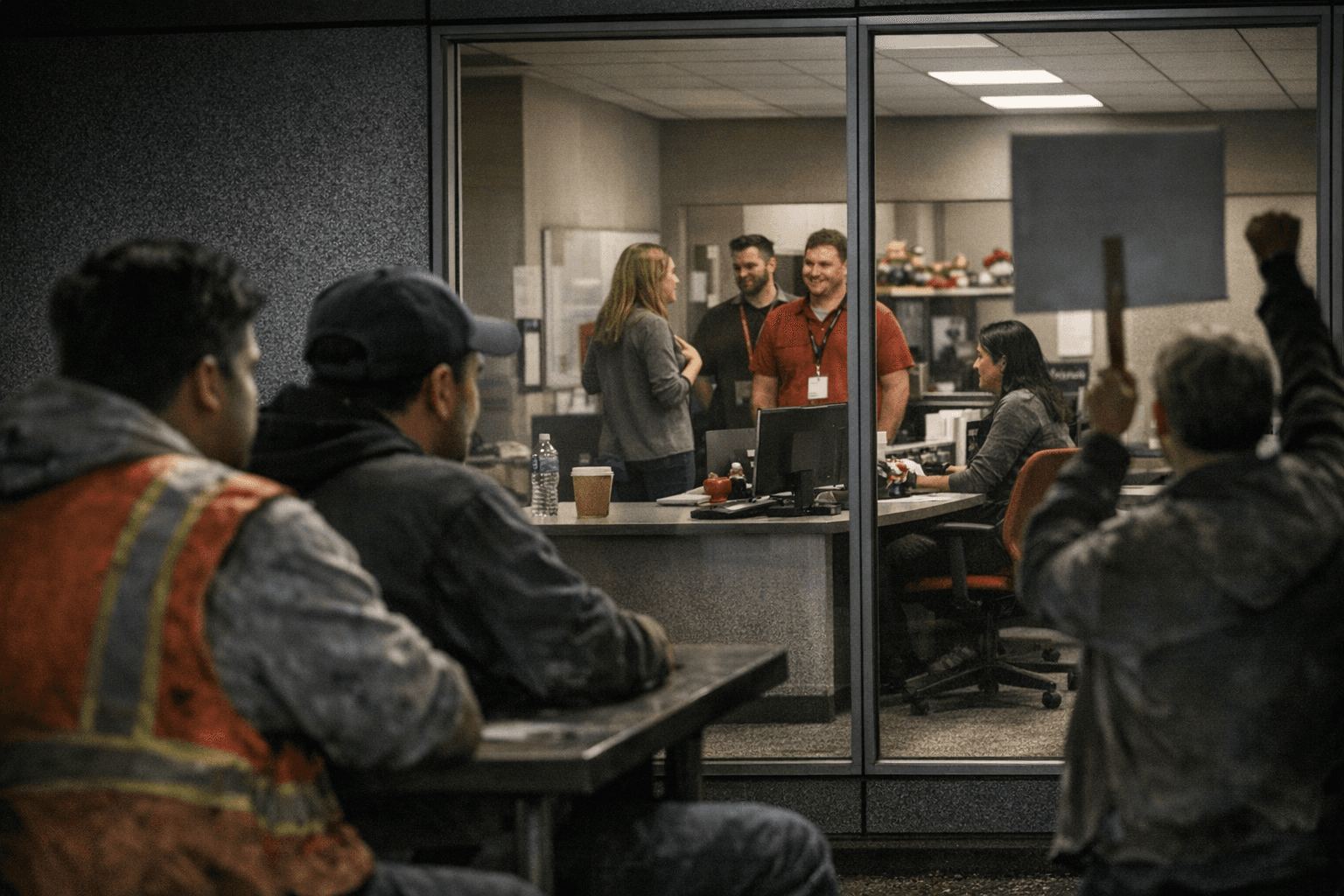
At the center of the scrutiny is the gap between full-time employees and contractors or temporary testers. Full-time developers typically have benefits, clearer disciplinary processes, and established communication channels. Contractors, including QA testers, localization freelancers, and vendor-supplied temp staff, often lack those protections. That gulf can create uneven treatment, operational friction, and a sense among contract workers that raising concerns about pay, scheduling, or working conditions carries greater personal risk.
The industry examples frequently cited show the stakes. When contractor management, discipline, or communication practices intersect with protected concerted activity, companies face legal exposure and reputational damage. Employers that rely heavily on vendor relationships to staff testing cycles or seasonal needs can find themselves handling not only project logistics but also questions about who speaks for workers and how workplace rules are enforced across employment categories.
For workers, the effects are immediate. Contractors who fear retaliation may be less likely to report safety issues, quality problems, or labor concerns, which can degrade morale and product outcomes. The split also breeds tension between full-time staff and contractors, complicating collaboration during crunch periods and major launches. For Nintendo employees, the conversation is not theoretical: the company's use of contingent labor in QA and other roles puts practical pressure on managers to reconcile operational demands with fair treatment and compliance with labor protections.
The broader trend matters to companies as well. Sustained organizing at AAA studios is prompting closer scrutiny from regulators, investors, and customers who care about workplace standards. Employers that fail to align contractor policies with established employment rights risk unfair labor practice claims and public scrutiny that can disrupt production timelines.
What comes next is likely to be iterative. Workers may press for clearer vendor contracts, parity in communication and discipline procedures, and pathways for contractors to participate in grievance or organizing processes. Employers, including Nintendo, will need to audit contractor management, ensure consistent messaging and training for vendors, and consider whether current staffing models create avoidable legal and cultural risks.
For employees, the momentum means a chance to push for structural changes that reduce the power gap between full-timers and contract workers. For managers, it means reviewing how policies play out on the ground during sprints and test cycles. The industrywide shift toward collective action suggests these are not isolated debates but part of a broader rebalancing of power in games workplaces.
Know something we missed? Have a correction or additional information?
Submit a Tip