Twolined spittlebug threatens Hawaiʻi Island cattle industry by destroying forage
Twolined spittlebug is killing kikuyu and pangola pasture across Kona and beyond, cutting forage for ranches and threatening local beef production and watershed health.
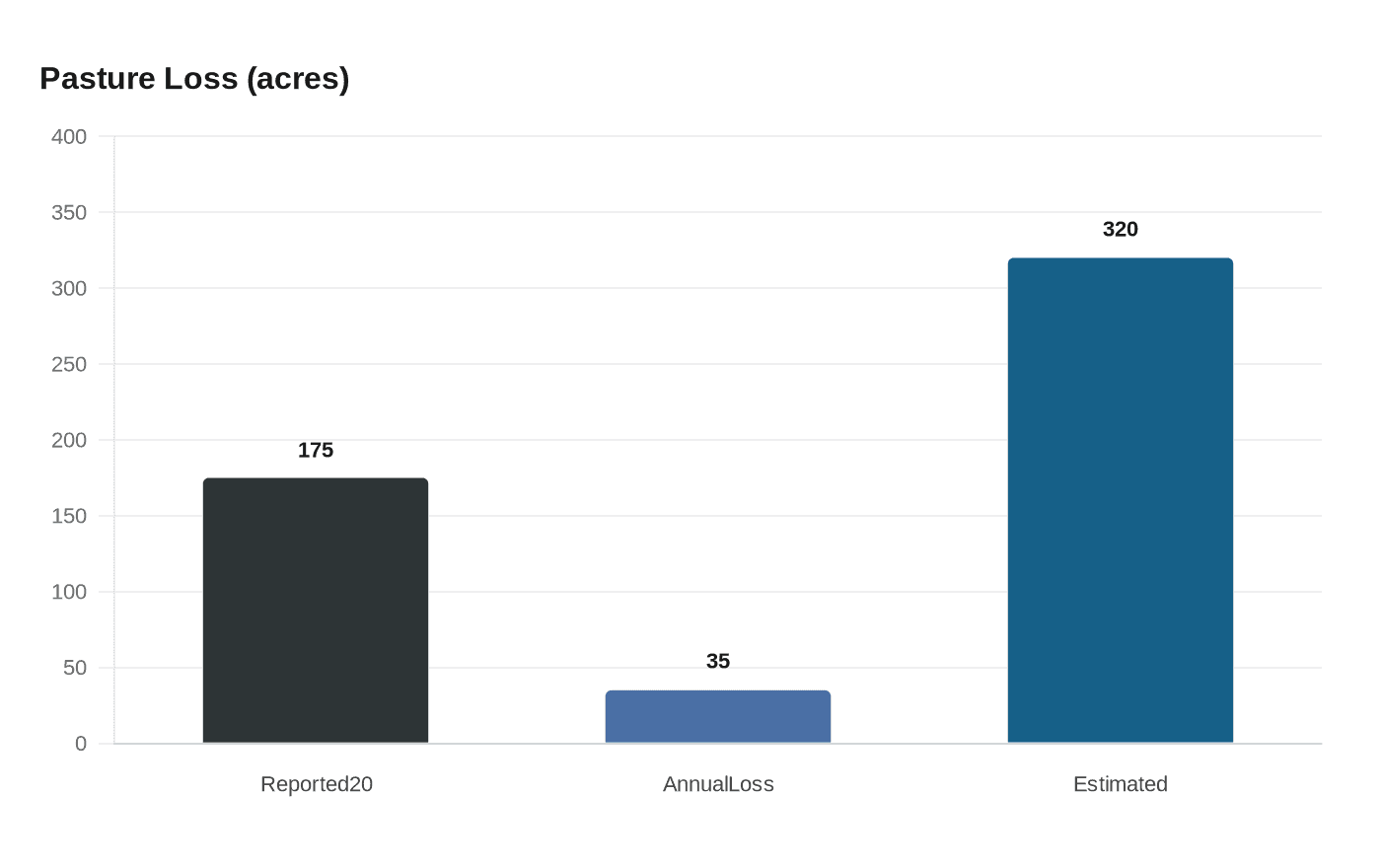
Researchers, extension agents and invasive species managers say the twolined spittlebug (Prosapia bicincta) is already destroying pasture on Hawaiʻi Island and poses a severe risk to the beef industry and nearby ecosystems. Big Island Invasive Species Committee surveys in summer 2020 reported TLSB impacting more than 175,000 acres from South Kona to Puʻu Waʻawaʻa, and BIISC says the pest is consuming Big Island pasture at a rate of about 35,000 acres per year. Researchers at the University of Hawaiʻi have also estimated some 320,000 acres of ranchland destroyed from Puʻu Waʻawaʻa to South Point.
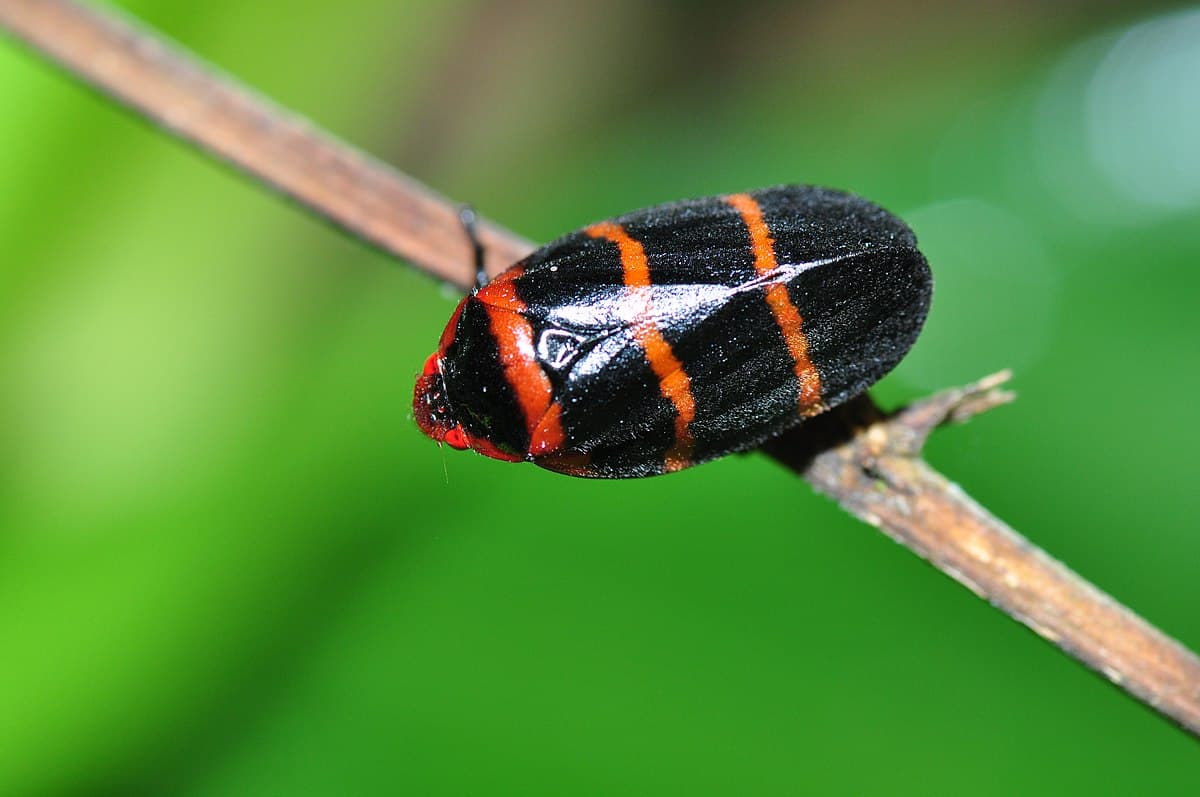
The insect is small, about 1 centimeter long, with two blood-orange stripes and red legs, but its feeding causes outsized damage. University of Hawaiʻi Cooperative Extension monitoring found nymph densities and adult feeding lead to dieback and death of kikuyu and pangola grasses, the primary sod-forming forages used by local ranchers. “In May and September nymph densities greater than 50 nymphs/m2 were observed in two locations and consistently resulted in the dieback of the grasses in those areas. Subsequent observations in those areas found only minor recover of the grasses,” UH-CTAHR reported in a 2018 update. EntomologyToday and the Journal of Integrated Pest Management summarized the outlook bluntly: “TLSB is an existential threat to Hawaiʻi’s cattle industry and has the potential to impact the turfgrass industry and the conservation lands surrounding pastures. It is crucial to prevent the spread of this pest and implement cost-effective management practices that will provide long-term control.”
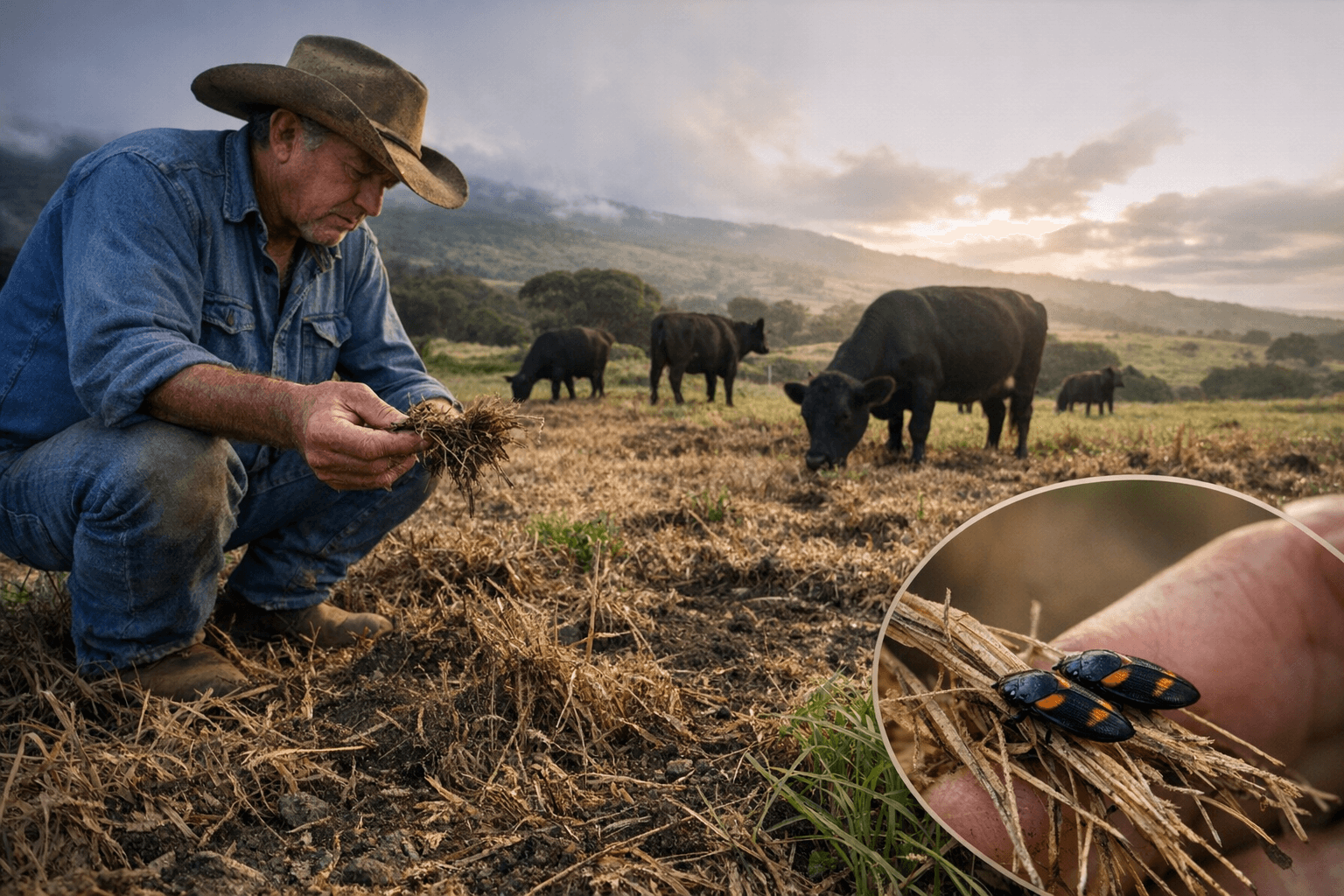
Where TLSB kills pasture grass, invasive weeds and shrubs move in, BIISC and extension specialists report. Fireweed, pamakani and wild blackberry have begun replacing rangeland in upper-elevation Kona sites; managers warn the loss of grass cover also threatens watersheds and forests that depend on stable groundcover. A recently detected population in Glenwood is suspected to be human-assisted, underscoring the risk of long-distance transport to critical livestock areas such as Waimea, Kohala and Hamakua.
Local, state and academic partners formed a response taskforce in fall 2017; initial funding came from the Hawaii Department of Agriculture, the Department of Natural Resources and Hawaii County. The Hawaiʻi Cattlemen’s Council secured funding in 2021 to continue research and support impacted ranches. At the state level, Sen. Mike Gabbard introduced SB 2321, a bill to create a two-year response pilot program within the Department of Agriculture and Biosecurity to address the spittlebug on the Big Island; the bill passed its first reading on Jan. 21 and was referred to the Agriculture and Environment and Ways and Means committees on Jan. 26.
Range and Livestock Management Specialist Mark S. Thorne warned of wider economic loss: “we stand to potentially lose our best cattle production ranchlands and that entire industry.” Thorne added, “It basically renders the rangelands that our livestock industry rely on almost to the point of not being able to support livestock production,” and called the damage “pretty devastating.”
Ranchers and landowners should be vigilant for adults, nymphs and spittle masses and report sightings beyond the Kona area. Report sightings to BIISC and to University of Hawaiʻi extension contacts: Mark S. Thorne, Range and Livestock Management Specialist, Phone: 808-887-6183; email: thornem@hawaii.edu; Glen Fukumoto, County Extension Agent, Livestock Programs, Phone: 808-322-0165; email: gfukumot@hawaii.edu. The Hawaiʻi Cattlemen’s Council can be reached at P.O. Box 934 Hilo, HI 96721; phone 808-333-6755.
For Big Island residents, the immediate implications are lost pasture, higher costs for supplemental feed or rangeland rehabilitation, and potential downstream impacts on watersheds and forest health. The next steps are tighter reporting, targeted containment, and rapid vetting of the University of Hawaiʻi and BIISC mapping and survey data so ranchers, agencies and legislators can prioritize where to deploy control and aid.
Sources:
Know something we missed? Have a correction or additional information?
Submit a Tip