TYLSemi raises $43 million to help companies build AI chips
TYLSemi emerged from stealth with $43 million, betting chiplets can cut custom AI silicon development time and cost by up to 50%.

TYLSemi emerged from stealth in San Jose, California, on July 14 with an oversubscribed $43 million early-stage round aimed at helping companies build their own AI chips. The startup is pitching itself as a way to lower the barrier to custom silicon at a moment when large buyers want more control over performance, power use and supply chains.
The company says it is the industry’s first pure-play, standards-based chiplet platform company and that its first production-ready portfolio spans connectivity, power and memory for XPUs. TYLSemi says its “full-stack chiplet platform” is designed to reduce custom AI silicon development time and cost by up to 50% from architecture to high-volume manufacturing. Its TYL.IO chiplet, the first in its connectivity line, delivers latest-generation PCIe and CXL-based high-bandwidth, low-latency connectivity across multi-die systems.
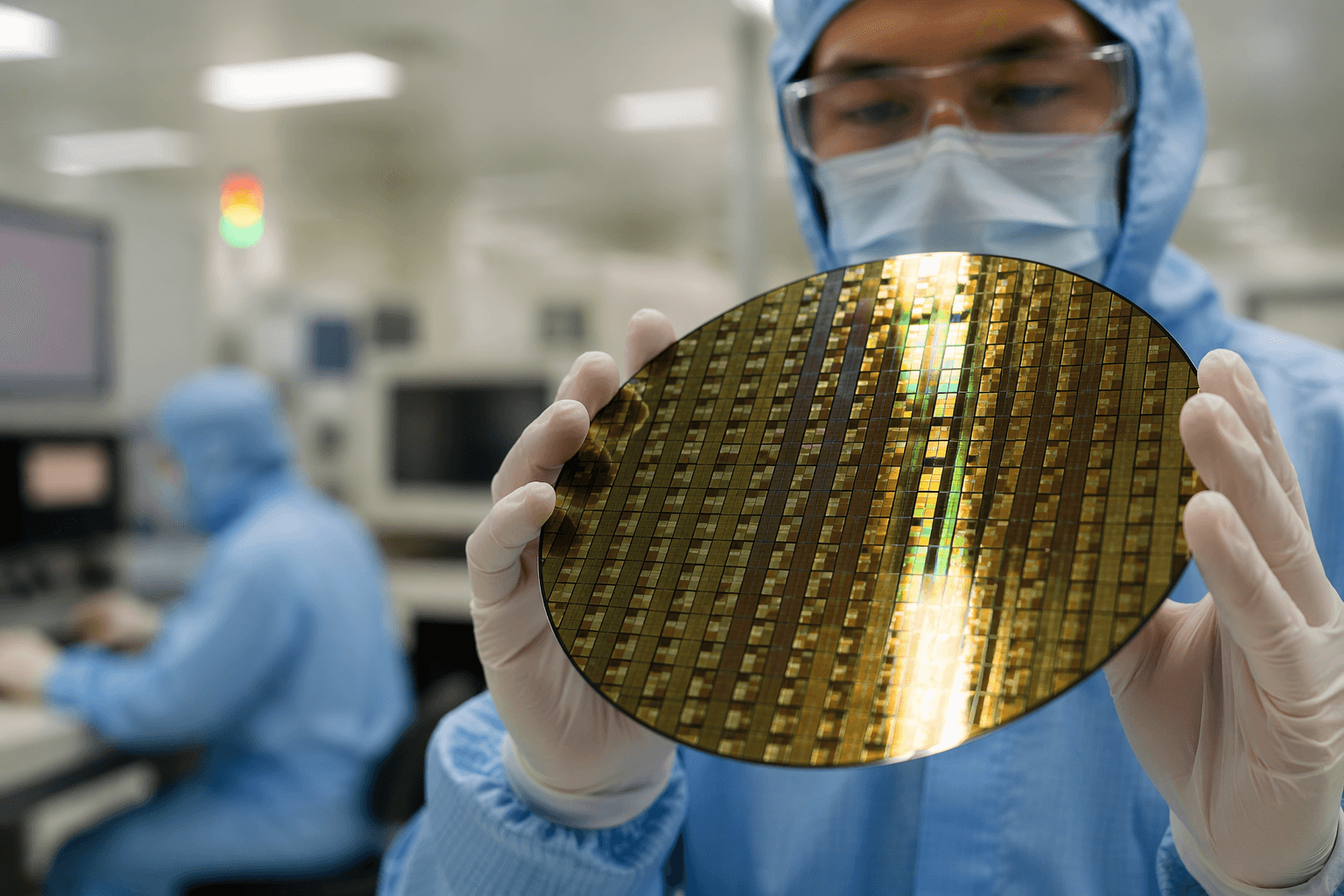
Sunil Bhardwaj, TYLSemi’s co-founder and chief operating officer, brings more than two decades of experience from Qualcomm and Alphawave. After Qualcomm completed its acquisition of Alphawave Semi on December 18, 2025, Bhardwaj served as general manager of Qualcomm’s custom silicon business group before co-founding TYLSemi. That background places the new company in a segment of the market focused on the underlying pieces needed to assemble custom AI hardware, not just the finished accelerators themselves.
The funding lands as the race for bespoke AI silicon has widened beyond a handful of chip designers. Meta plans to start manufacturing its in-house Iris AI chip in September and is pushing to boost overall computing capacity to 14 gigawatts next year, a sign that major buyers are building more of their own infrastructure. Broadcom and Marvell Technology already sell proprietary technologies used to connect chips at high speed, and TYLSemi is trying to win a place in that stack by making chiplet-based design faster and less risky.
If TYLSemi can deliver on its claims, cloud providers, automakers and defense contractors could gain a shorter route to custom silicon without depending as heavily on off-the-shelf accelerators or internal chip teams. The company’s bet is that the next phase of the AI arms race will be fought not just over who buys the most chips, but over who can design the fastest path to building them.
This article was produced by Prism’s automated news system from verified source data, official records, and press releases, then run through automated quality and moderation checks before publishing. The system is built and supervised by the people who set the standards it runs under. Read our full AI policy.
Did this article answer your question?