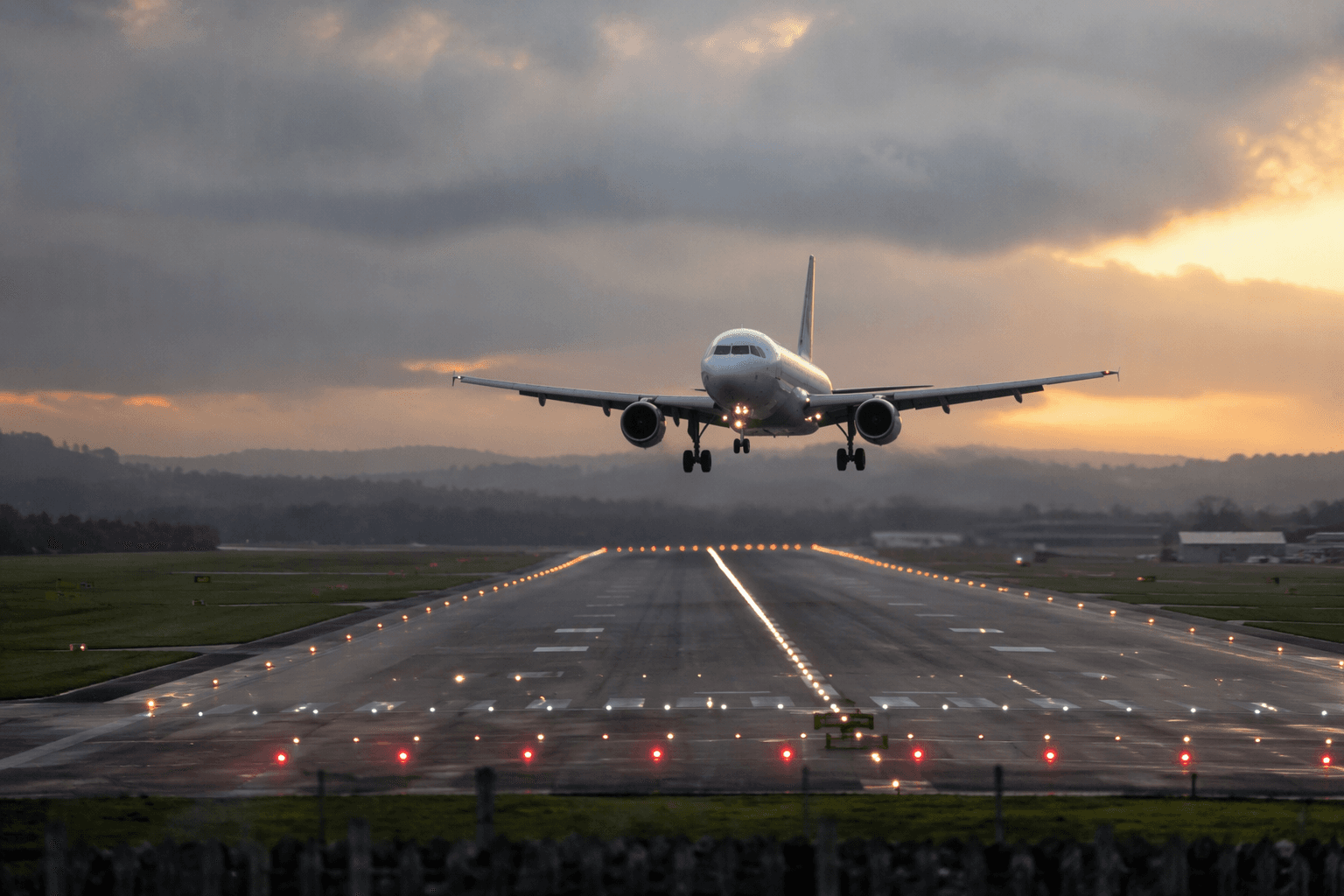
Typhoon Dolphin hits Okinawa, China closes ports ahead of landfall
Okinawa lost power to 14,000 buildings and five people were hurt as Typhoon Dolphin shut in on China, where ports closed before landfall.
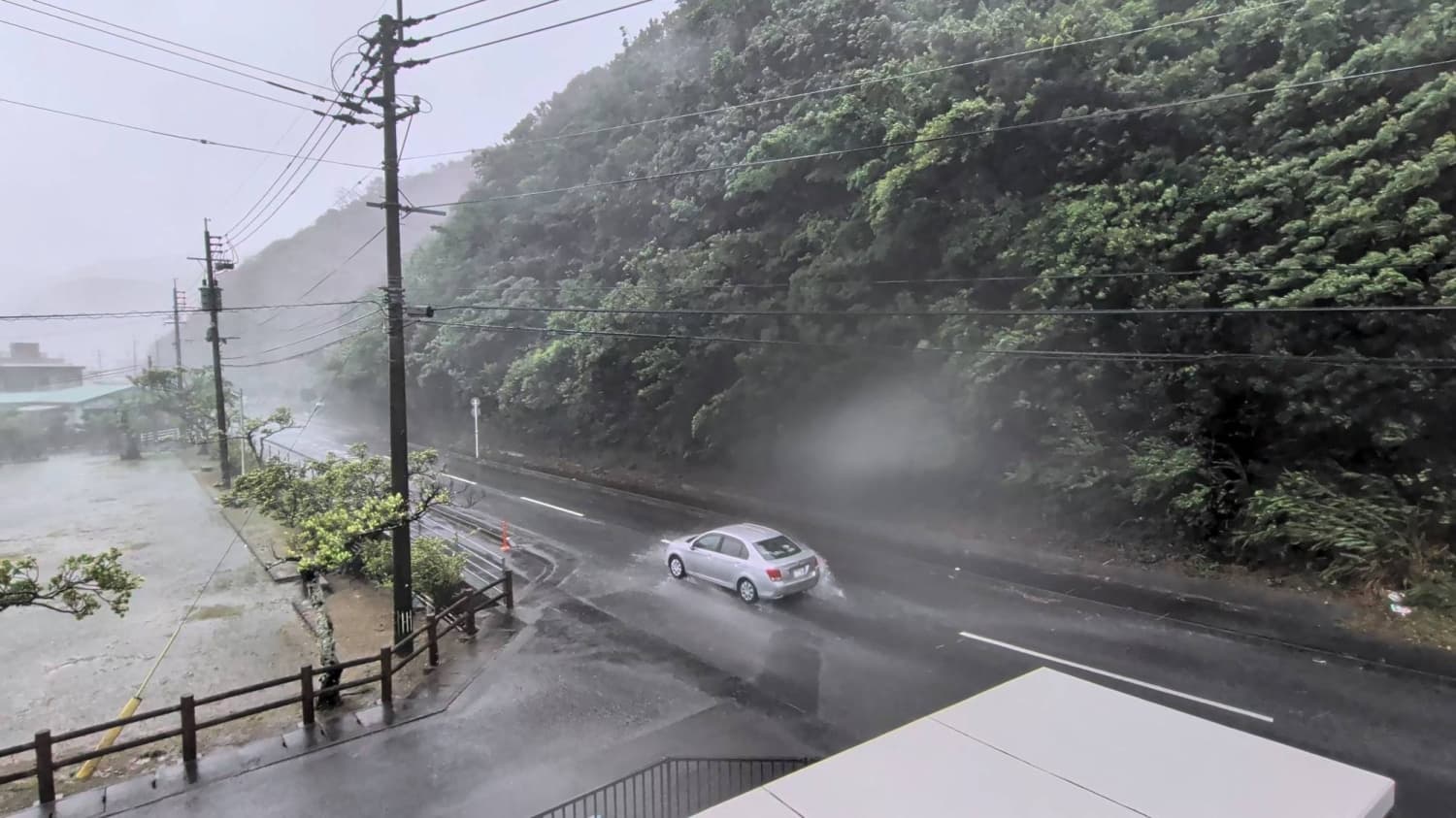
China closed ports ahead of Typhoon Dolphin’s expected landfall as the storm battered Okinawa, injuring five people and cutting power to 14,000 buildings across Japan’s southern prefecture. Hundreds of thousands of people in southwestern Japan had already been ordered to evacuate, and more than 500 flights were canceled as the slow-moving system disrupted travel and coastal operations across the region.
In Okinawa Prefecture, the damage was immediate. Trees swayed in strong winds in Naha as the storm pushed through the island chain, and the prefecture’s exposure to typhoons once again turned routine mobility into an emergency response. The local fallout centered on outages, unsafe roads and airport disruption, with the storm’s strongest effects arriving before it moved farther north or west.
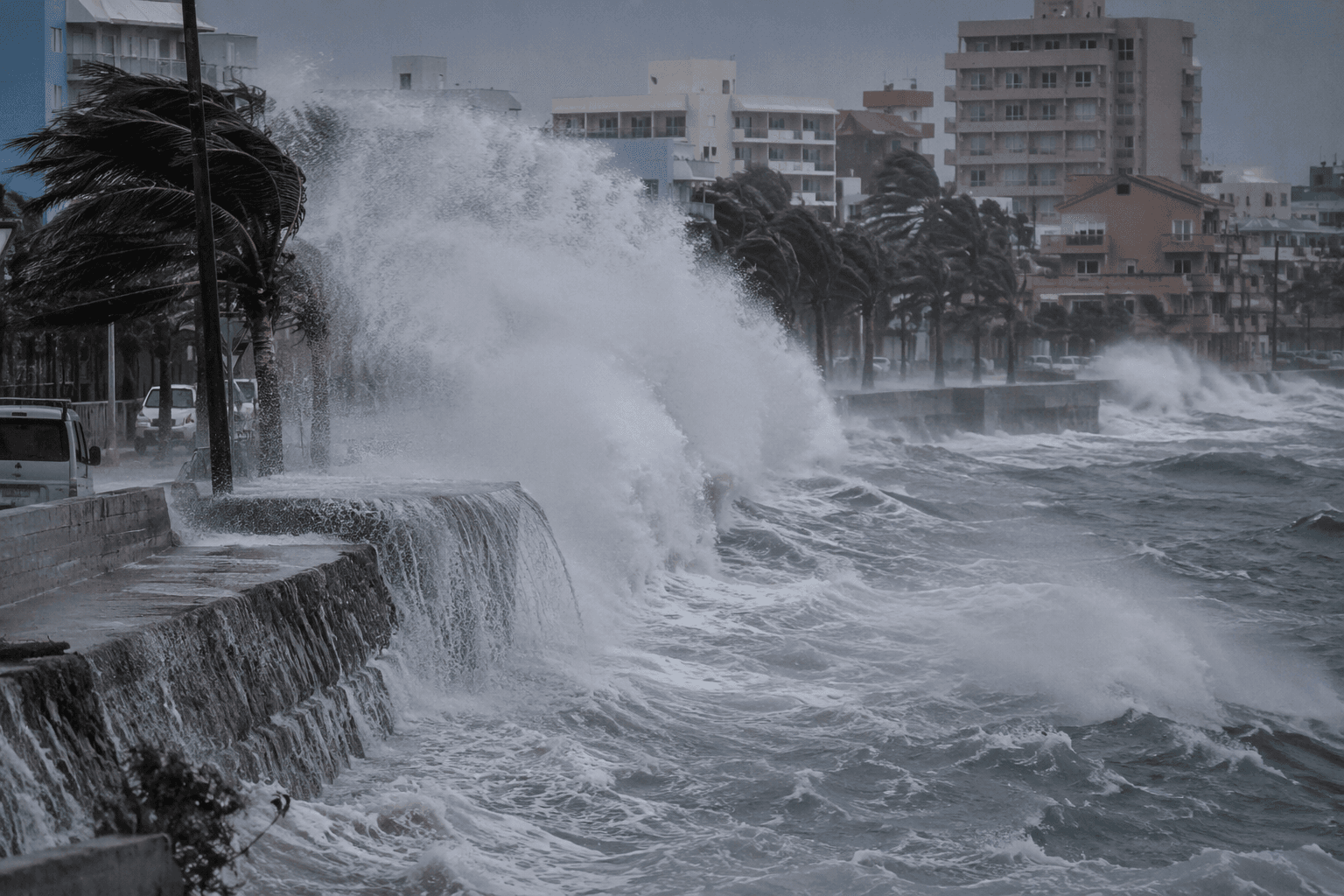
China’s response came before landfall and reflected a different kind of risk calculation. Closing ports ahead of the storm reduced the chance of accidents for dockworkers, crane operators and crews moving containers through exposed coastal terminals, but it also interrupted cargo handling and shipping schedules in one of the world’s most important manufacturing and export corridors. For airlines, shippers and retailers, even a short shutdown can cascade into delayed departures, missed connections and slower deliveries well beyond the storm’s track.
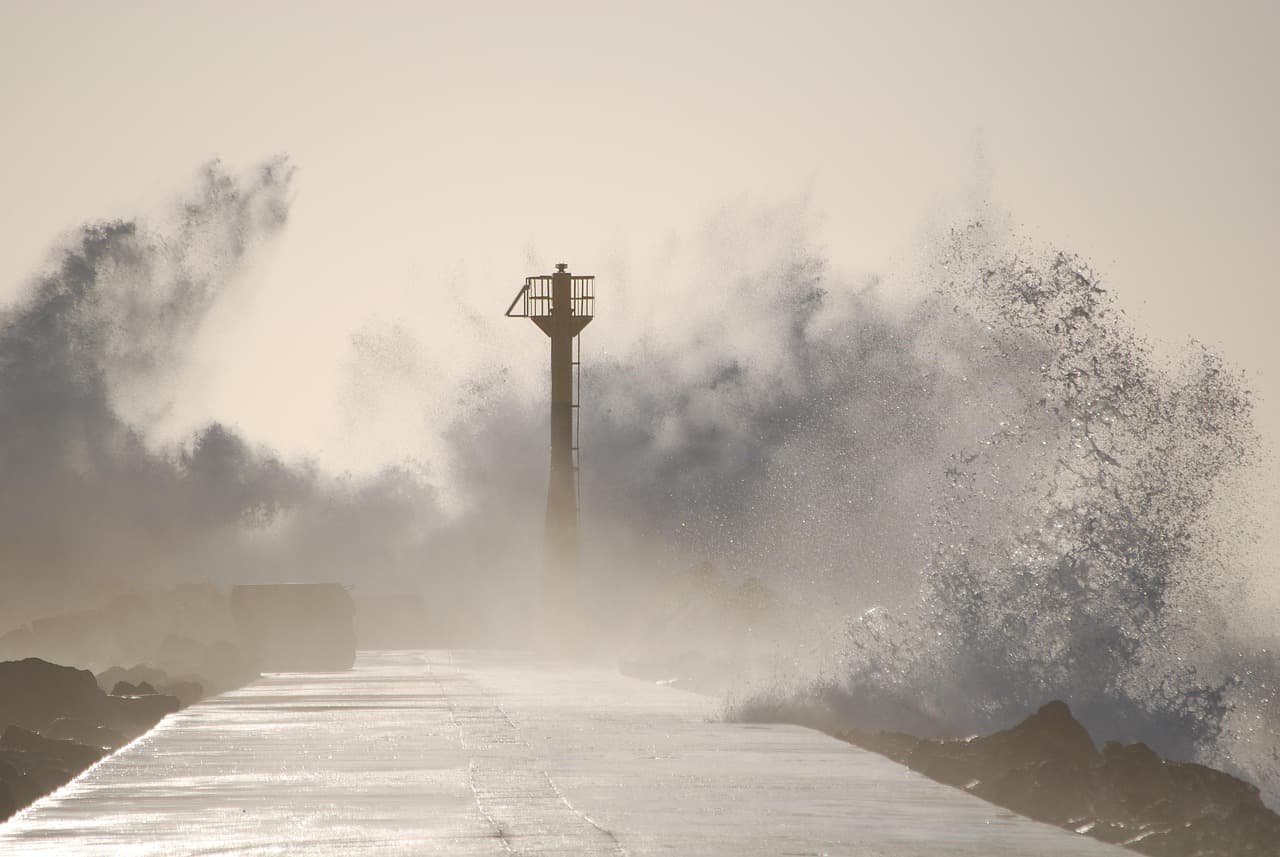
That tension is why typhoon response in East Asia often looks like a choice between safety and speed. Okinawa absorbed the first direct hit, with injuries and thousands of buildings losing electricity, while China shifted its disruption forward by freezing port activity before the worst weather arrived. The practical effect was the same across the East China Sea: vessels were delayed, flights were pulled, and supply chains were forced to absorb the cost of waiting.
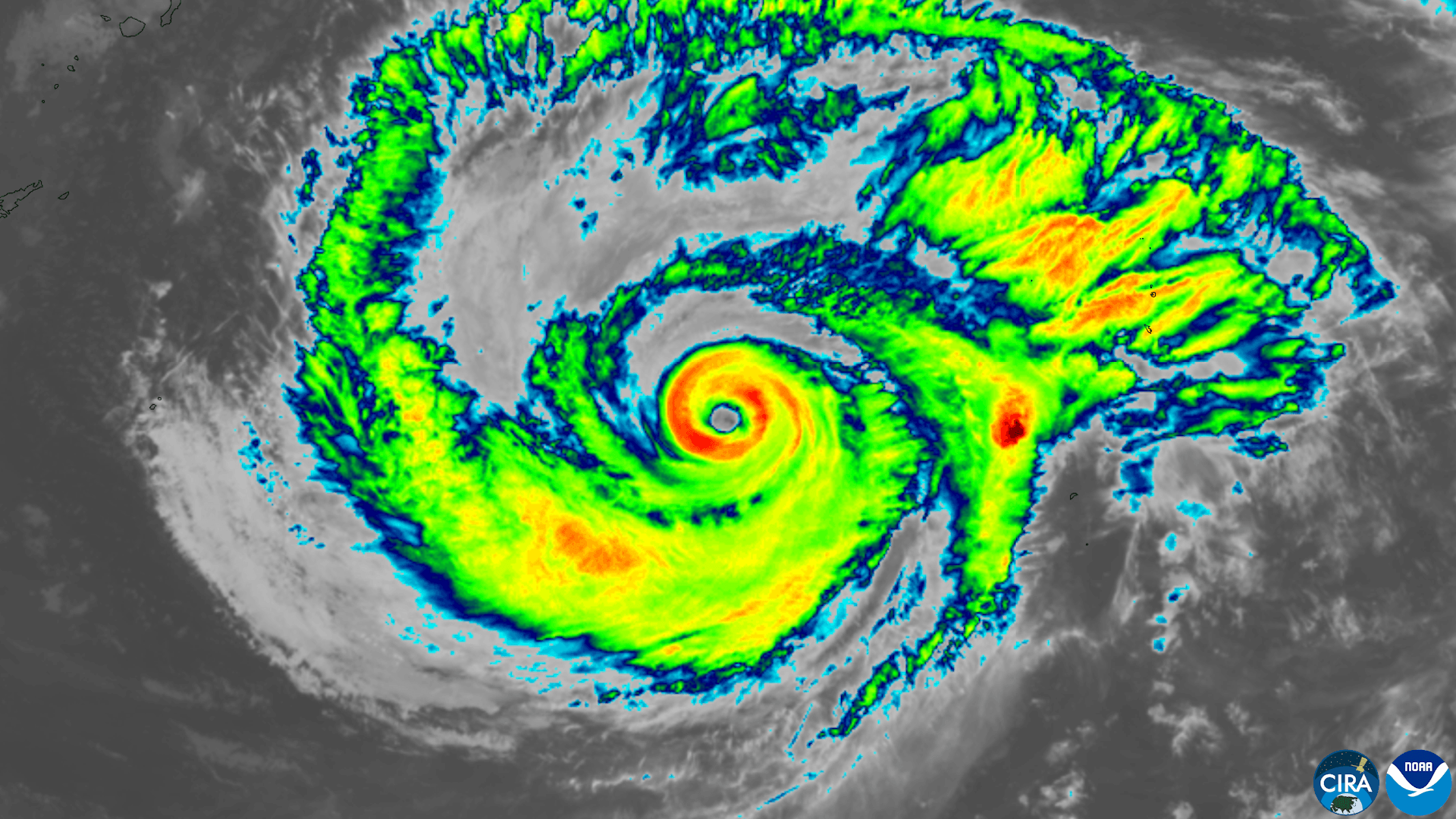
Dolphin moved through the heart of typhoon season, when Japan, China and nearby shipping lanes are already on alert for storms that can hit islands, airports and trade routes at the same time. With evacuations in southwestern Japan, more than 500 flights grounded and Chinese ports shut in advance, the storm showed how quickly a regional weather system can become a logistics problem for businesses and households far from its center.
This article was produced by Prism’s automated news system from verified source data, official records, and press releases, then run through automated quality and moderation checks before publishing. The system is built and supervised by the people who set the standards it runs under. Read our full AI policy.
Did this article answer your question?