UAE says air defenses intercept missile and drone attack amid Iran ceasefire strain
A fragile U.S.-Iran ceasefire was tested again as UAE air defenses intercepted a missile and drone attack near vital Gulf shipping routes.
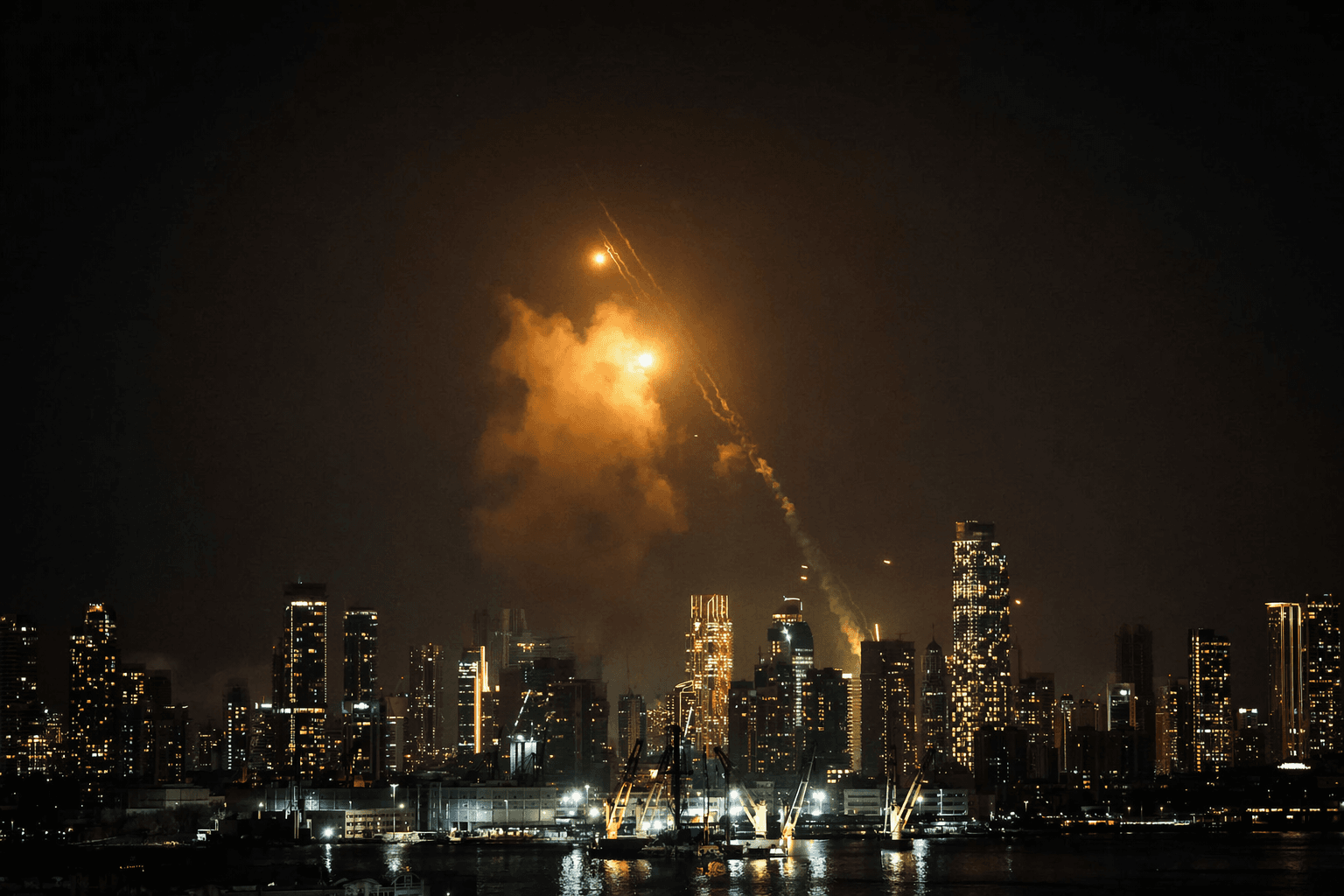
The ceasefire between the United States and Iran looked increasingly brittle on Friday as the United Arab Emirates said its air defenses were actively engaging a missile and drone attack, a fresh reminder that any pause in the war can be disrupted by one strike in the Gulf.
The UAE Ministry of Defense said the attack came early Friday and urged residents not to approach, photograph or touch debris from intercepted fragments. Hours earlier, the U.S. military said it had intercepted Iranian attacks on three Navy ships in the Strait of Hormuz Thursday night and then struck Iranian military facilities it said were responsible for attacks on American forces. U.S. Central Command said no ships were hit and that it remained positioned and ready to protect U.S. personnel.
President Donald Trump said in Washington that the ceasefire was still holding despite the violence, underscoring the gap between official rhetoric and the reality facing shipping lanes, military bases and Gulf states caught in the crossfire. The ceasefire has largely held since April 8, but the war itself began on Feb. 28, when the United States and Israel launched strikes against Iran. Talks hosted by Pakistan last month failed to produce an agreement to end the conflict.
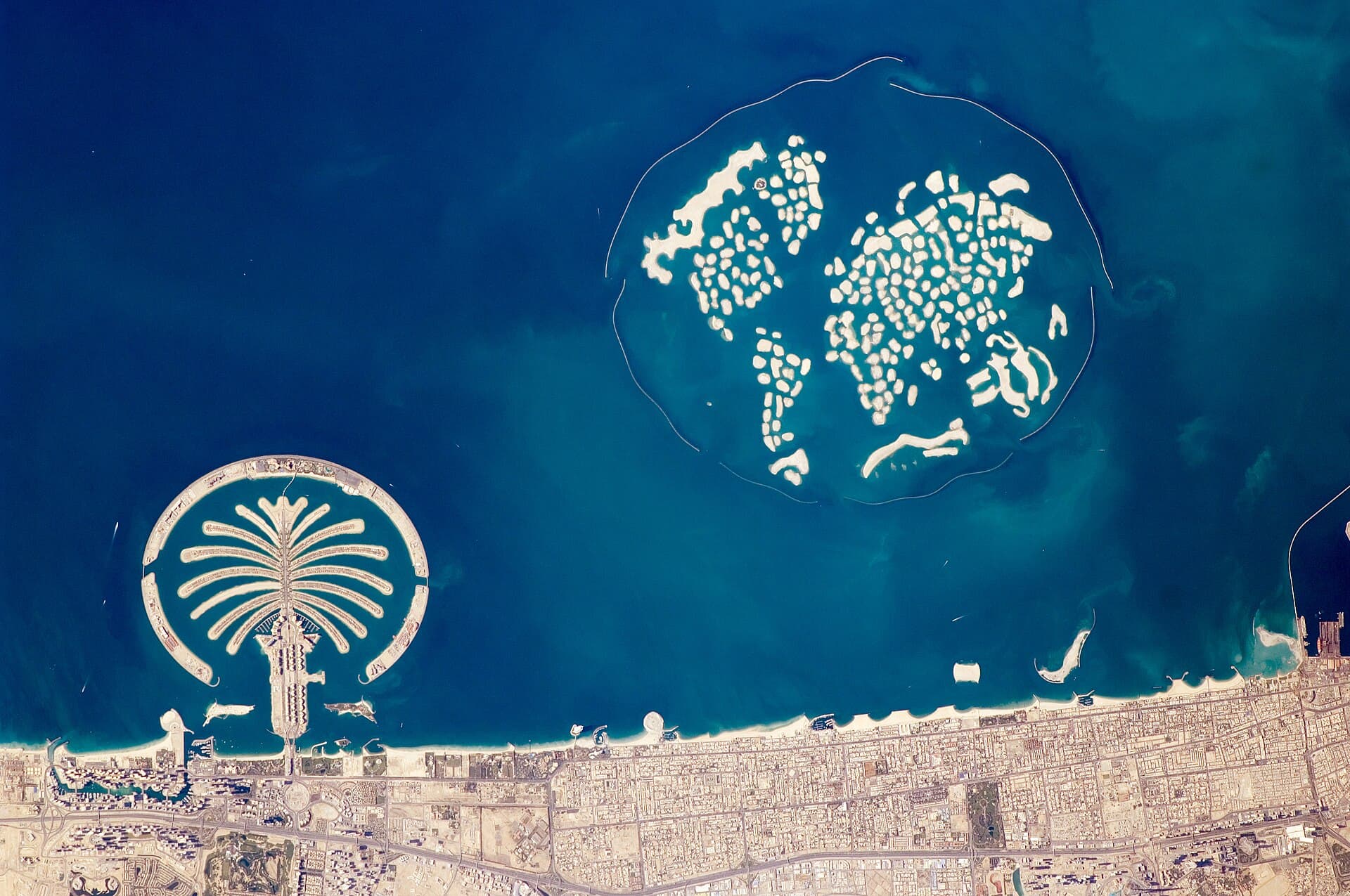
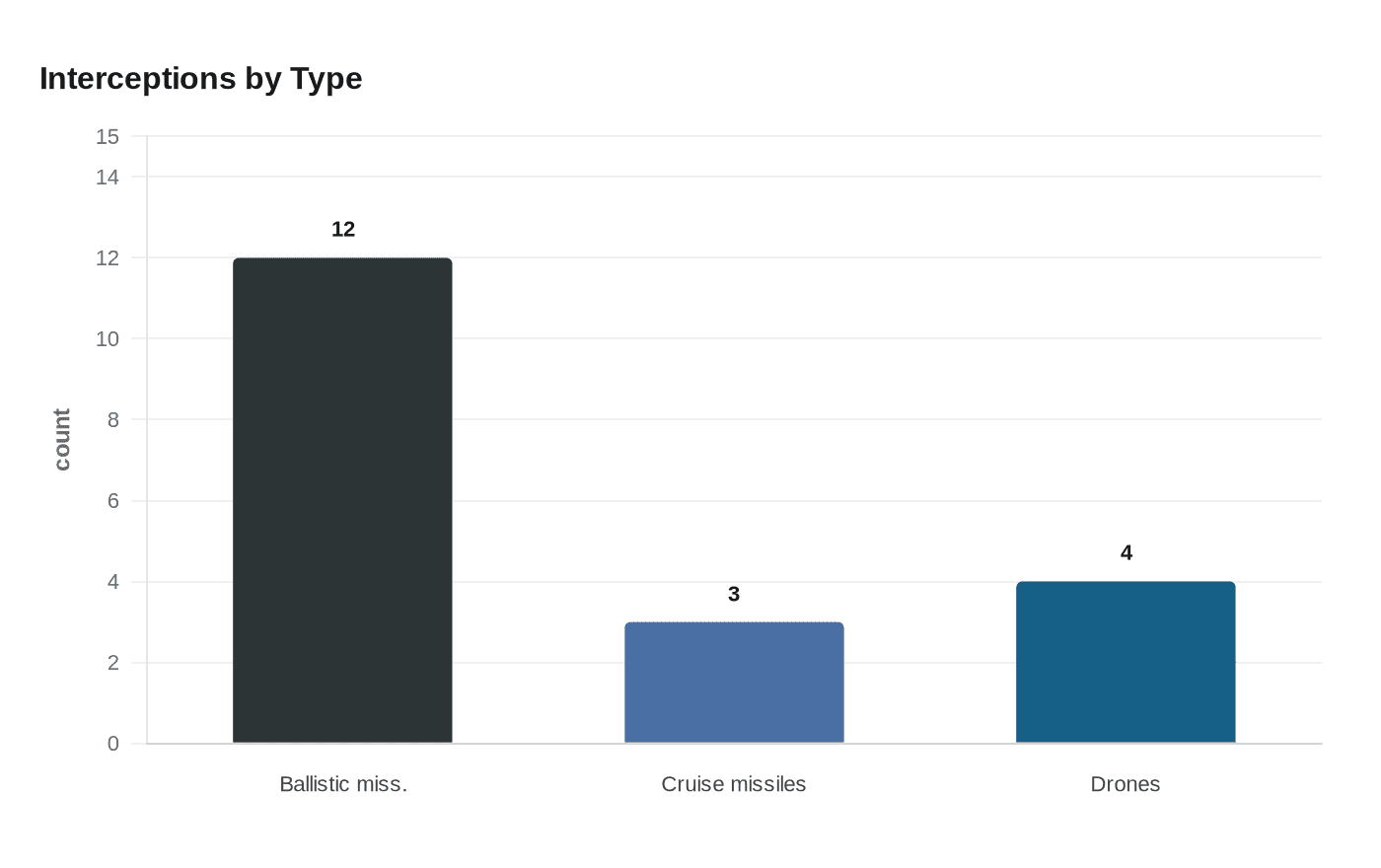
The latest Emirati warning came after a sharper escalation earlier in the week, when the UAE said it intercepted 12 ballistic missiles, three cruise missiles and four drones from Iran. One drone strike sparked a fire at an oil facility in Fujairah, in the eastern emirate, and three Indian nationals were injured. The attack triggered mobile alerts in Dubai and other emirates, while schools and universities shifted online and civil defense teams moved to contain the blaze.
The Emirati government condemned the strikes as a threat to sovereignty and said it reserved the right to respond. French President Emmanuel Macron called the attacks unjustified and unacceptable, and Canadian Prime Minister Mark Carney condemned the Iranian attacks while calling for de-escalation and diplomacy.
The stakes extend far beyond the UAE. The Strait of Hormuz is a critical global energy chokepoint, and the latest clashes have already pushed Brent crude and Murban crude higher as markets gauge the risk to Gulf shipping and wider regional stability. For U.S. officials, the question is no longer only whether the ceasefire technically holds, but whether it can be enforced in waters where one drone, one missile, or one retaliatory strike could pull the region back into open war.
This article was produced by Prism’s automated news system from verified source data, official records, and press releases, then run through automated quality and moderation checks before publishing. The system is built and supervised by the people who set the standards it runs under. Read our full AI policy.
Did this article answer your question?


