Uber reportedly plans $10 billion robotaxi push to fend off rivals
Uber is weighing a more than $10 billion robotaxi bet, turning self-driving cars from experiment into an existential threat. The stake is control of the rides market.
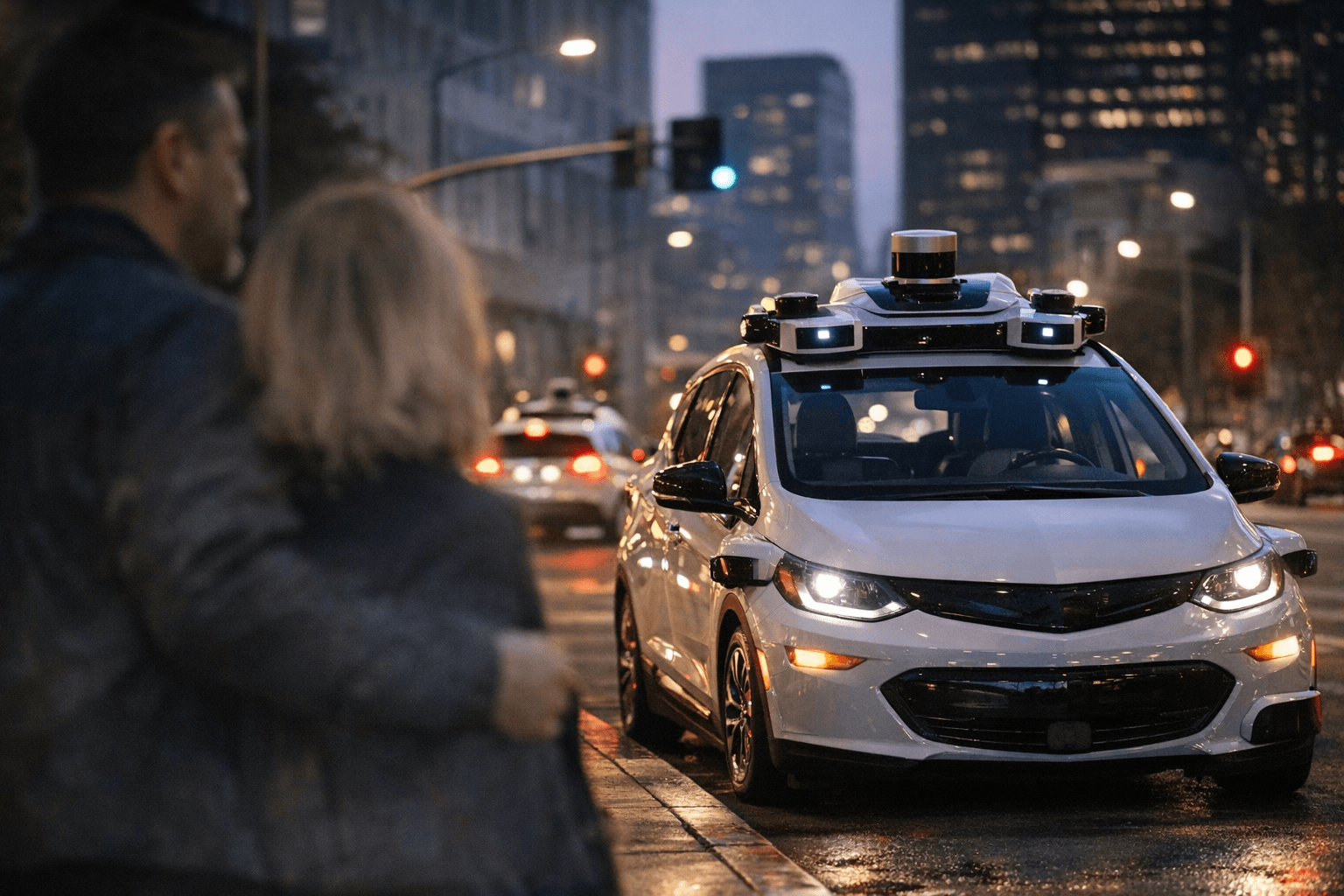
Uber’s biggest answer to robotaxis may be to buy into them before they buy away its business. A reported plan to commit more than $10 billion to autonomous vehicles marks a sharp break from the asset-light model that built Uber into the dominant ride-hailing platform.
The package would reportedly include more than $7.5 billion for robotaxi fleet purchases and more than $2.5 billion for equity stakes in self-driving developers, with the deals tied to deployment milestones. That structure matters: Uber is not just chasing a technology story, it is trying to secure cars, capacity and ownership stakes that could shape the economics of urban rides for years.
The urgency is visible in Uber’s own numbers. In its fourth-quarter and full-year 2025 results, released Feb. 4, Dara Khosrowshahi said Uber was on a “clear path” to become the largest facilitator of AV trips globally and called autonomous vehicles a “multitrillion-dollar opportunity.” Uber said it was operating at a 15 billion annual trip run-rate, with more than 40 million trips per day and more than 200 million monthly active users. Those figures explain why autonomy is no longer a side project. If robotaxis can capture even a slice of that demand at lower cost, they could change the company’s profit mix.
Uber has already been moving in that direction through partnerships rather than a solo build-out. On March 13, Uber and Motional launched a robotaxi service in Las Vegas, where riders in select areas can be matched with an all-electric Motional IONIQ 5 robotaxi through the app. On March 12, Wayve, Uber and Nissan announced a collaboration to develop robotaxis, with a pilot deployment in Tokyo planned for late 2026. Uber described that as its first autonomous-vehicle partnership in Japan.
Then came the Rivian deal. On March 19, Uber and Rivian announced plans to deploy up to 50,000 fully autonomous R2 robotaxis, with Uber investing up to $1.25 billion in Rivian through 2031. The arrangement includes an initial commitment to buy 10,000 robotaxis, an option to buy 40,000 more in 2030, and planned deployments in San Francisco and Miami in 2028 before expanding to 25 cities by 2031.
The Lucid expansion reinforced the same strategy. Public reports this week said Uber had lifted its Lucid robotaxi commitment to at least 35,000 vehicles and raised its total investment in Lucid Motors to $500 million. Taken together, the deals suggest Uber is hedging against a future where robotaxi operators can undercut human-driven rides and seize the most lucrative city traffic. The company is no longer treating autonomy as a futuristic wager. It is treating it as a fight over who owns the economics of ride-hailing.
This article was produced by Prism’s automated news system from verified source data, official records, and press releases, then run through automated quality and moderation checks before publishing. The system is built and supervised by the people who set the standards it runs under. Read our full AI policy.
Did this article answer your question?

