UCLA earns No. 1 seed after dominant 51-6 baseball season
UCLA’s 51-6 march earned the No. 1 overall seed, plus a Los Angeles regional and a direct path through a home-heavy bracket to Omaha.

UCLA’s 51-6 march delivered more than the top spot in the NCAA tournament bracket. It gave the Bruins the No. 1 overall seed, a Los Angeles regional and a path that keeps the road to Omaha as short and familiar as possible.
The selection felt built on certainty. UCLA swept the Big Ten regular-season title and the conference tournament, stayed near the top all year, and finished with the kind of résumé that made the committee’s choice straightforward. The Bruins also entered the tournament with the nation’s No. 2 team ERA at 3.31, a number that underscored how little they have given opponents on the mound while piling up wins with force at the plate.
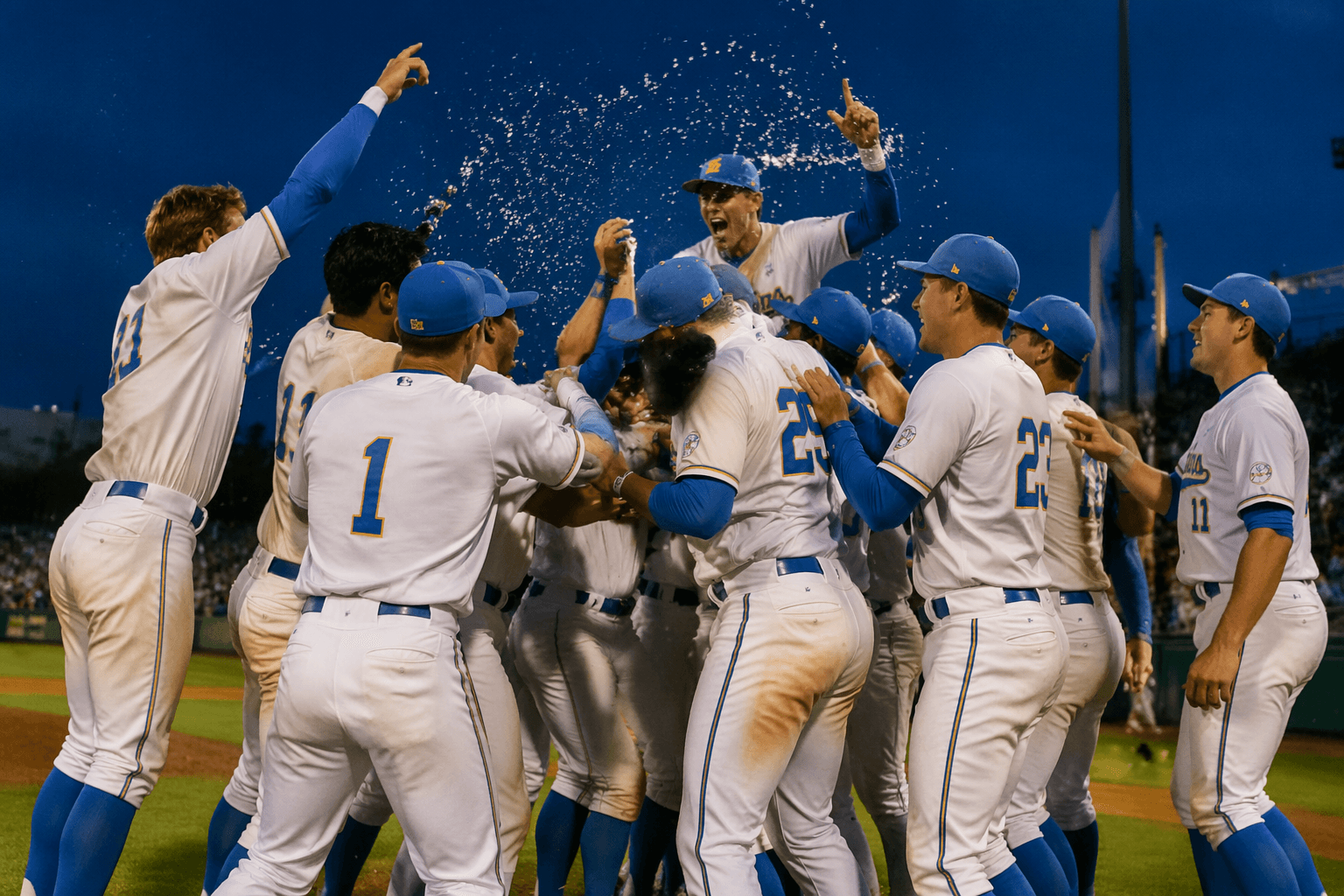
The reward is immediate. UCLA was named one of the 16 regional hosts and is automatically in the 64-team field, which means the Bruins will begin at home in Los Angeles from Friday, May 29 through Monday, June 1 in a four-team, double-elimination regional. The bracket is not reseeded after play begins, so the Bruins’ placement now matters all the way through the bracket. If UCLA survives regionals, the NCAA will announce the super regional hosts on Tuesday, June 2, and the final eight teams will move on to best-of-three supers with a direct trip to Omaha on the line.
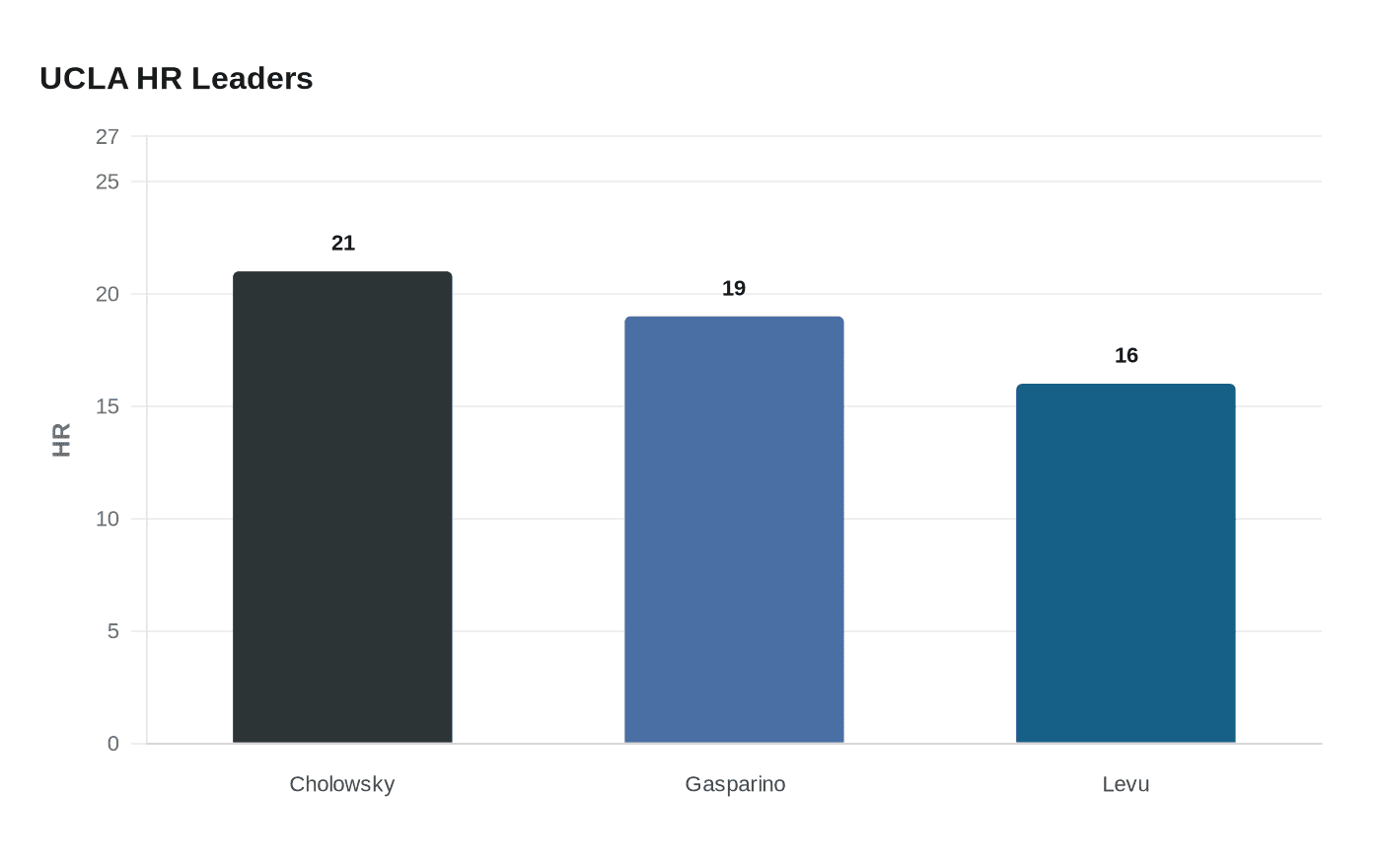
That home-field edge matters because UCLA enters with one of the deepest lineups in the country. Junior shortstop Roch Cholowsky was named Big Ten Player of the Year for the second straight season, becoming only the third player in conference history to repeat as player of the year. He hit .330 with 21 home runs, 59 RBI and a conference-high 70 runs scored. John Savage was unanimously selected Big Ten Coach of the Year, a recognition that matched the way his club handled the season from start to finish.
The offense was not a one-man show. Mulivai Levu hit .339 with 16 home runs, and Will Gasparino hit .305 with 19 homers, giving UCLA multiple run producers behind Cholowsky. Those numbers, paired with elite pitching, explain why the Bruins now carry more than the status of a No. 1 seed. They enter as a clear championship favorite, with no regional travel, no early pressure to adapt to an unfamiliar site and no room for a seed this strong to settle for anything less than Omaha.
The national field showed why the top line mattered. Georgia Tech, another conference champion, entered the ACC tournament at 45-9 and 25-5 in league play after outscoring ACC opponents 289-136, a reminder that the bracket’s best teams can still look very different. The SEC placed 12 teams in the tournament, 29 conference champions earned automatic bids and 35 teams came in at-large, but UCLA’s combination of dominance, balance and home advantage made the Bruins the team everyone else now has to chase.
This article was produced by Prism’s automated news system from verified source data, official records, and press releases, then run through automated quality and moderation checks before publishing. The system is built and supervised by the people who set the standards it runs under. Read our full AI policy.
Did this article answer your question?