UFCW Know Your Rights Guide Empowers Trader Joe's Workers
The United Food and Commercial Workers offers a practical "Know Your Rights" guide that lays out worker protections during union organizing and collective bargaining, clarifying what conduct is protected and what steps employees can take if those rights are violated. For Trader Joe's staff and other grocery workers, the guide is a clear roadmap for recognizing unlawful employer tactics and pursuing remedies through the National Labor Relations Board or union representation.
The United Food and Commercial Workers has produced a "Know Your Rights" guide designed to help grocery and retail employees understand legal protections when discussing pay, safety, and union organizing. The guide explains how the National Labor Relations Board enforces the National Labor Relations Act and identifies common examples of protected activity, making legal concepts accessible to frontline workers.
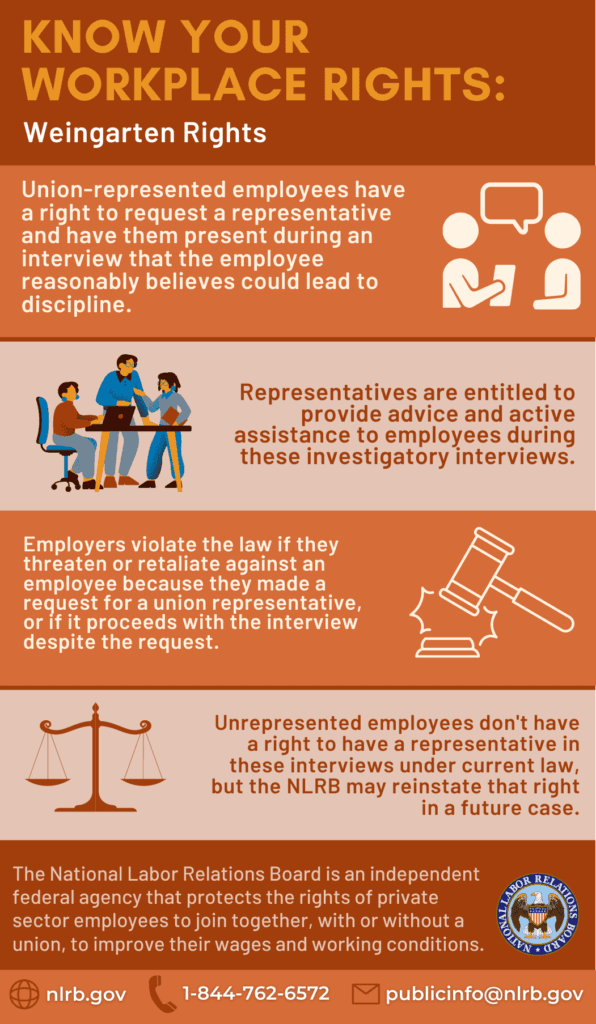
Key protections the guide highlights include concerted activity, such as employees acting together to discuss wages or working conditions, and the right to distribute literature and seek representation. It also walks through employer conduct that can be unlawful under federal labor law, including threats, surveillance, promises intended to influence votes, and retaliation against workers for organizing. The guide notes where Weingarten rights apply, providing clarity about the circumstances in which employees are entitled to request union representation during investigatory interviews that could lead to discipline.
The resource is explicitly worker-facing and actionable. It outlines practical next steps when employees believe their rights have been violated, including filing unfair labor practice charges and contacting either the NLRB or a union representative for assistance. By translating legal protections into concrete examples and procedures, the guide aims to reduce confusion and fear among employees considering collective action.

For Trader Joe's workers, the document matters because grocery chains have been a focal point of organizing activity and employer pushback in recent years. Clear explanations about what constitutes protected concerted activity and what forms of employer response cross legal lines can change how workers approach conversations about staffing, scheduling, and wages. Knowing what to document and when to reach out for legal help can also preserve workers' options if disputes escalate.
The guide is likely to shape workplace dynamics by empowering employees to assert their rights, prompting managers to adjust communication and compliance practices, and giving both sides a clearer framework for resolving disputes. For individual workers, the practical value is simple: better information about legal protections makes it more possible to raise concerns without inadvertently waiving rights, and it provides a pathway to seek remedies when violations occur.
Sources:
Know something we missed? Have a correction or additional information?
Submit a Tip