Uganda passes revised sovereignty bill curbing foreign influence fears
Parliament trimmed the sovereignty bill after the central bank warned it could weaken the shilling and drain reserves. The law now awaits Museveni’s signature.
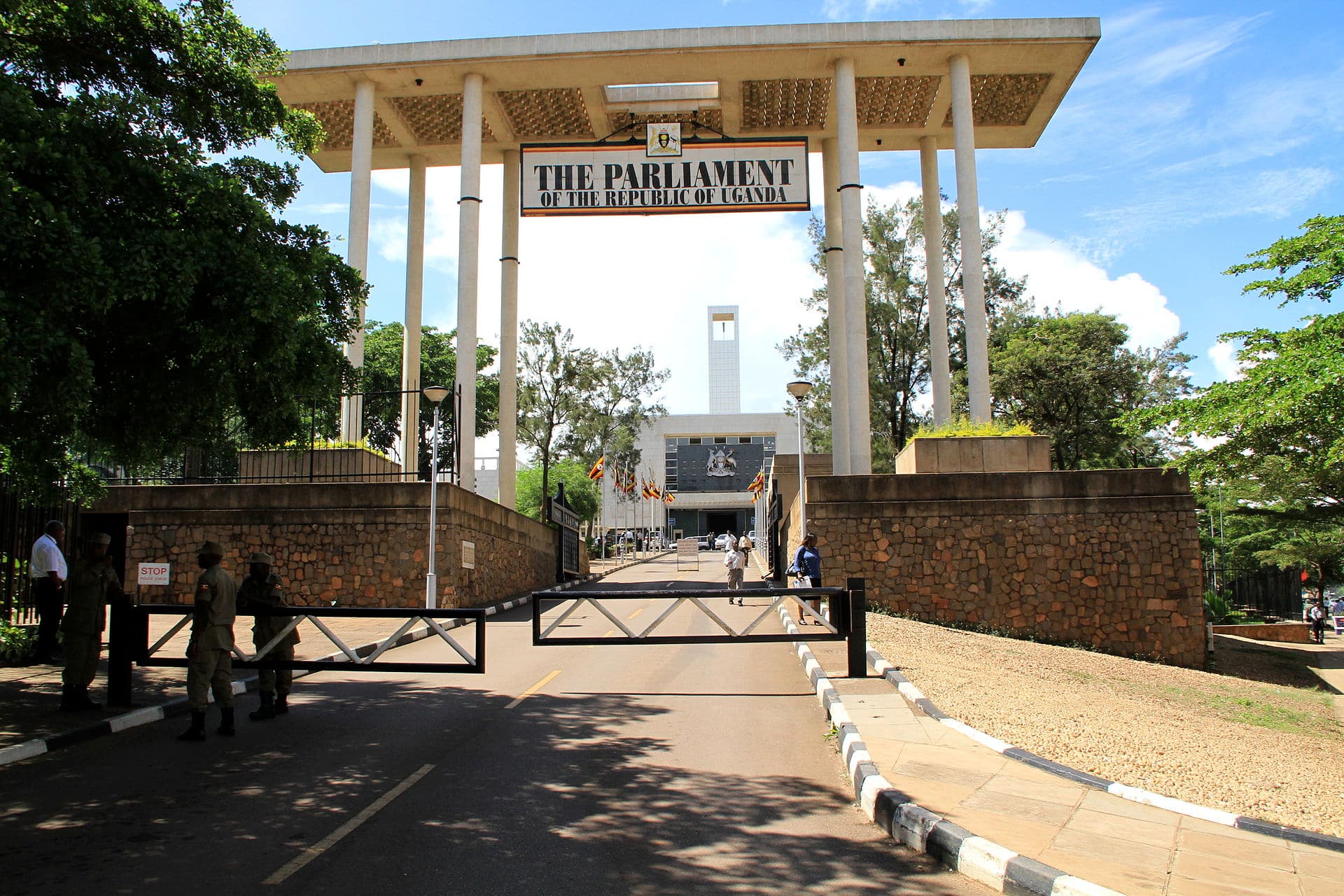
Uganda’s parliament passed a revised sovereignty bill that strips out some of the toughest language in the original draft after the central bank warned the earlier version could weaken the shilling, drain foreign reserves and shake confidence in the economy. The measure now goes to President Yoweri Museveni, who has ruled since 1986, for his signature.
Parliament said the Protection of Sovereignty Bill, 2026, passed on Tuesday after amendments that significantly narrowed its scope, removed contentious provisions and added safeguards aimed at aligning it with the Constitution and existing regulatory frameworks. Bank of Uganda governor Michael Atingi-Ego had warned on April 28 that the bill, if left unchanged, could undermine the central bank’s independence and trigger pressure on reserves and inflation. The World Bank also objected, saying the proposed law would hinder its work in Uganda.
The revisions show how far lawmakers were willing to go before economic risk forced a retreat. The bill still carries a hard political message about foreign influence, but parliament pared back the most sweeping elements after officials signaled that the original draft could frighten investors and complicate access to external financing. Bloomberg reported that the law sets a 2 billion shilling fine for organizations and a 10-year prison term or heavy fines for individuals who violate it by engaging in “economic sabotage,” a penalty structure that helps explain why opposition figures and civil society groups viewed the proposal as far broader than a simple disclosure regime.
The fight over the bill also fits into Museveni’s long-running style of politics. He and allies in the governing party have frequently accused domestic rivals of taking money from abroad and promoting foreign agendas, including LGBTQ rights. That rhetoric has real consequences for opposition parties, NGOs and donor-backed programs, many of which depend on outside support to operate in Uganda’s tightly controlled political environment.
The country’s recent history makes the economic stakes hard to ignore. The World Bank halted new lending to Uganda in 2023 after the anti-homosexuality law and later resumed funding after compromises were reached. Against that backdrop, the revised sovereignty bill reads as both a line in the sand and a caution signal: Kampala is still willing to police foreign influence, but not at any price that could spook lenders, investors or the central bank.
This article was produced by Prism’s automated news system from verified source data, official records, and press releases, then run through automated quality and moderation checks before publishing. The system is built and supervised by the people who set the standards it runs under. Read our full AI policy.
Did this article answer your question?