Uganda suspends flights, border transport as Ebola outbreak spreads in Congo
Uganda cut flights and border passenger traffic with Congo as Ebola reached insecure border zones, even while cargo was kept moving.
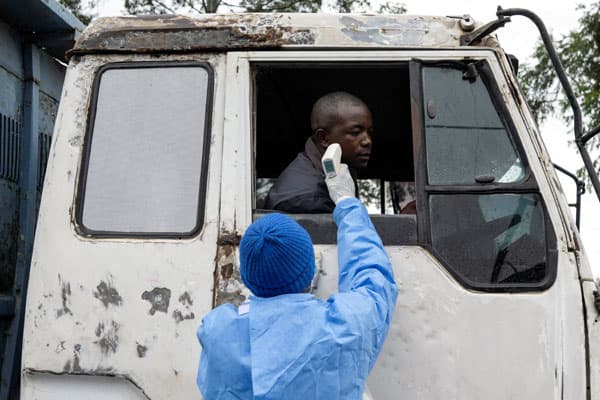
Uganda moved to tighten its border with the Democratic Republic of Congo on Wednesday, choosing containment over commerce as Ebola spread into volatile territory and threatened one of the region’s busiest cross-border routes. The government said the restrictions were temporary, but they reflected how health officials are weighing outbreak control against trade, mobility and the realities of policing a disease in areas where insecurity and armed group activity complicate contact tracing.
The measures were adopted at a National Task Force meeting convened by Vice President Jessica Alupo. Uganda said all direct flights between the two countries would be suspended within 48 hours. Cross-border passenger transport and public passenger ferry services across the River Semuliki were halted for four weeks, weekly markets in border sub-counties were suspended and cultural celebrations that draw large crowds in high-risk border districts were banned. Cargo and essential goods were still allowed to move.
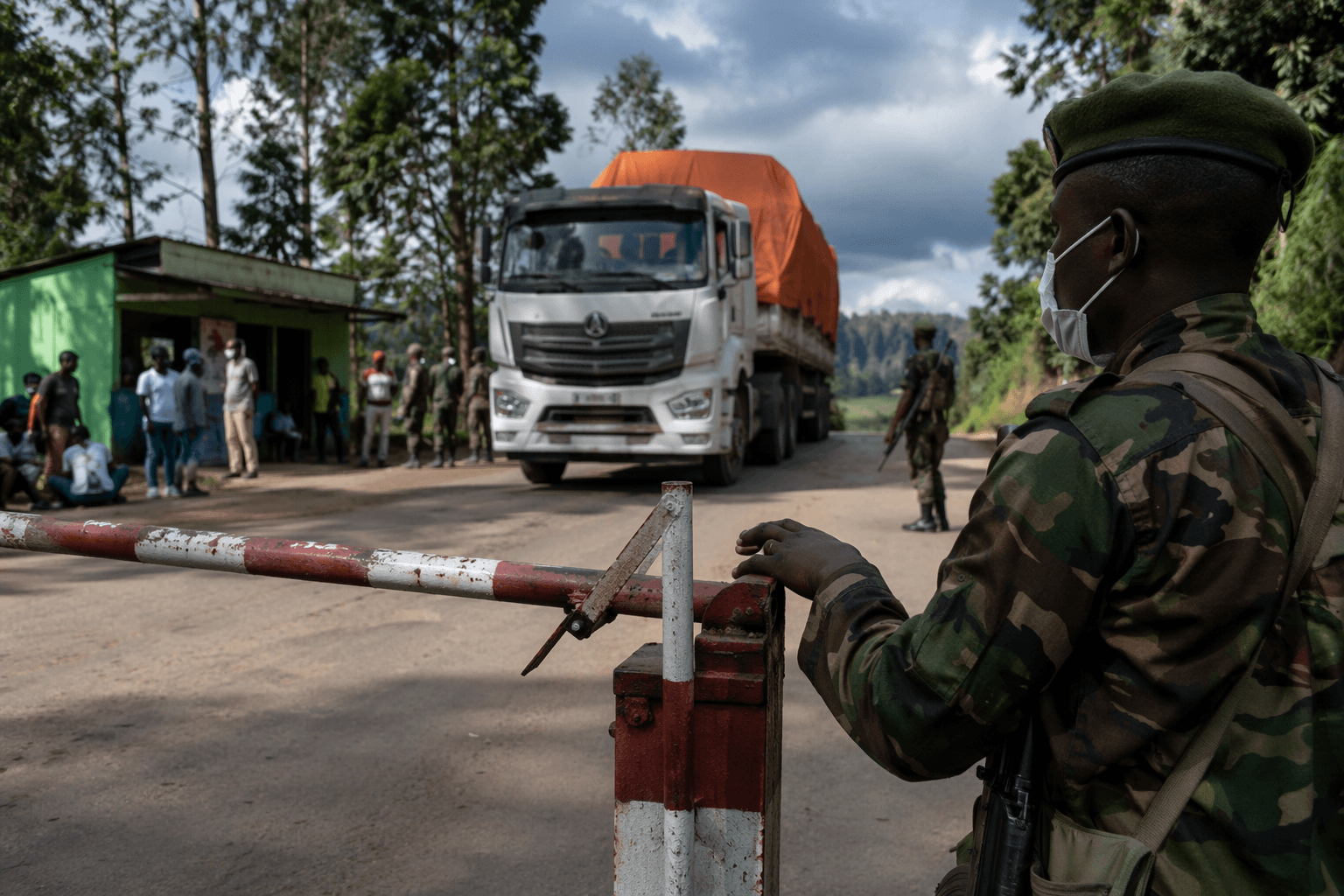
The Uganda Ministry of Health said the country had confirmed two imported Ebola cases linked to travelers from Congo, including one death. One patient remained under care and was recovering. The outbreak is caused by the Bundibugyo virus, a strain of Ebola that can move quickly through households, markets and transport corridors when early detection breaks down.

The World Health Organization declared the outbreak a public health emergency of international concern on May 17, 2026. As of May 16, it said Congo’s Ituri Province had recorded eight laboratory-confirmed cases, 246 suspected cases and 80 suspected deaths across at least three health zones, Bunia, Rwampara and Mongbwalu. WHO also reported two confirmed cases in Kampala on May 15 and 16 among people traveling from Congo, including one death, underscoring how quickly the disease had crossed the border.
Africa Centres for Disease Control and Prevention said it was working with health authorities in Congo, Uganda and South Sudan, along with WHO, UNICEF, the Pandemic Fund, the African Medicines Agency and the U.S. CDC. The agency said preliminary laboratory results from the Institut National de Recherche Biomedicale detected Ebola virus in 13 of 20 samples tested and warned that insecurity, population movement, mining-related travel, gaps in contact listing and weak infection prevention were all slowing the response. The CDC said the risk to travelers and the American public remained low, even as officials in East Africa braced for a longer fight along a border where disease control and daily survival often collide.
This article was produced by Prism’s automated news system from verified source data, official records, and press releases, then run through automated quality and moderation checks before publishing. The system is built and supervised by the people who set the standards it runs under. Read our full AI policy.
Did this article answer your question?