UH President Hensel Highlights Enrollment, AI and Funding in Inaugural Address
UH President Wendy Hensel delivered an inaugural systemwide address outlining enrollment gains, AI plans and funding risks that affect local students and budgets.

University of Hawaiʻi President Wendy Hensel used her inaugural systemwide address on Jan. 15 to present a forward-looking agenda that ties rising enrollment, technological change and fiscal pressure to the university’s role in statewide workforce and community stability. Her remarks reviewed 2025 accomplishments and set priorities across UH’s 10-campus system, signaling policy choices that will matter for Big Island residents and local postsecondary pathways.
Hensel highlighted that fall 2025 enrollment topped 51,000 across the system, the highest in eight years. She framed that growth as both an opportunity and an operational challenge; expanding student numbers increase demand for classrooms, advising and student services while raising expectations for improved graduation and retention rates. For Big Island campuses, enrollment trends influence local housing markets, part-time employment pools and K-12 to college transition planning through programs aimed at public high school seniors.
A signature initiative cited in the address is Direct2UH, designed to streamline admission for the state’s public high school seniors. By simplifying the application pipeline, the program aims to reduce barriers to enrollment and strengthen the local talent pipeline. That change intersects with Hensel’s push to build an integrated workforce ecosystem that more directly links academic programs to industry needs across Hawaiʻi.
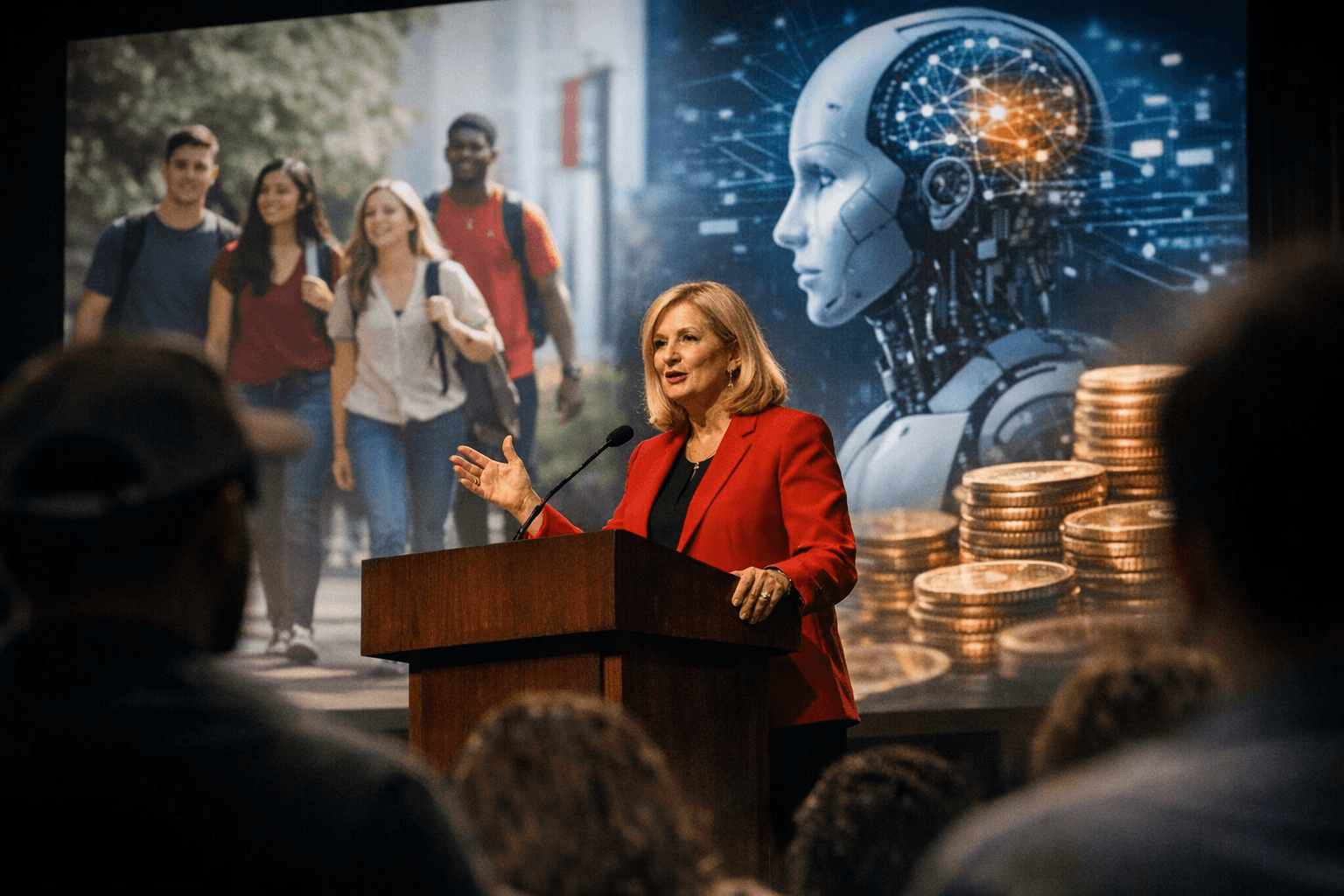
Hensel also prioritized advancing artificial intelligence throughout the UH system, positioning AI as both an instructional tool and a workforce competency. Integrating AI raises curriculum and governance questions for local campuses: how to equip faculty, protect student data and ensure equitable access so that island students do not fall behind mainland peers.
Financial realities framed much of the address. The system recorded record extramural funding in fiscal year 2025, yet Hensel warned of increased uncertainty in 2026 tied to shifting federal policies and grant funding cuts. She addressed the university’s fiscal mix of state appropriations, tuition and fees, grants and reserves, and outlined capital improvement project requests alongside evolving collegiate athletics issues, including name-image-likeness considerations that affect student-athlete compensation and recruitment.

Policy implications for Big Island voters and local officials are clear. State budget decisions and legislative oversight will determine how UH balances growing enrollment with service quality, capital needs and program priorities. For residents, outcomes will affect tuition pressure, availability of workforce training, and the research grants that support local jobs.
A recording of the address will be made available online. As the university moves from announcement to implementation, attention from local leaders, campus stakeholders and legislators will shape whether the priorities laid out translate into tangible support for students and the island economy.
Sources:
Know something we missed? Have a correction or additional information?
Submit a Tip