UK considers age limits for social media, gaming and AI chatbots
A ban on under-16 social media would force platforms to prove ages, police parent consent and protect privacy, while millions of teens already use the apps.
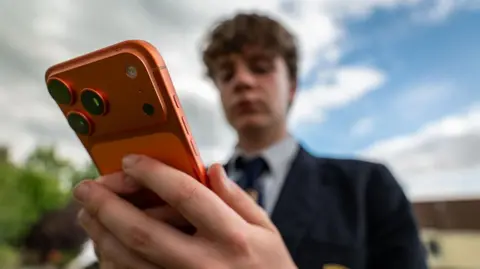
Any under-16 ban on social media would rise or fall on enforcement: platforms would have to verify ages, decide when parents can consent, and extend liability across gaming sites and AI chatbots, all while avoiding a new privacy burden on children and families.
The government’s consultation, titled Growing up in the online world: a national consultation, opened on 2 March 2026 and closes at 11:59pm on 26 May 2026. It asks whether there should be a minimum age for social media, whether risky design features such as infinite scrolling, autoplay and streaks should be restricted, whether the digital age of consent should be raised, and how age verification and parental controls could be strengthened. Ministers have also signaled that any response could reach beyond social media to gaming sites and AI chatbots, building on the Online Safety Act 2023, which the government describes as one of the strongest systems in the world for protecting children from illegal and harmful content online.

Tech minister Liz Kendall said the government would publish its response in the summer and intends to legislate by the end of 2026. She described the consultation as one of the broadest of any country and said, “It’s not a question of whether we act, but how.” Ministers are also looking at limits on features and functions such as “doom-scrolling” and overnight curfews. The broader package was first set out on 19 January 2026, when the government said schools should be phone-free by default, with Ofsted checking phone bans on every inspection, and promised evidence-based screen time guidance for parents of children aged 5 to 16.
The urgency is clear in the numbers. House of Commons Library research published on 22 May 2026 said Ofcom data from 2025 found 95% of 13 to 15-year-olds use social media, 96% have their own social media profile and 97% own their own mobile phone. Supporters of tighter limits say those platforms expose children to body image harms, eating disorders, self-harm, suicide, cyberbullying and harassment. Critics warn a ban could simply push young people into less regulated spaces and create new risks for marginalised groups who already face barriers to support and safe online access.

Reaction has been sharp and deeply personal. Esther Ghey, the mother of murdered teenager Brianna Ghey, has urged the prime minister and party leaders to back a ban on social media for under-16s and said the UK could learn from Australia. Bereaved families have pressed for faster action, while regulators including Ofcom and the Information Commissioner’s Office have called for stronger age verification and better protections against contact from strangers. The government has also tested the terrain with a six-week pilot involving 300 teenagers, looking at parental controls, a one-hour daily cap on certain apps, a 9pm to 7am curfew and no restriction at all in a control group. With 30,000 responses already received and Australia’s under-16 ban in force since December 2025, ministers now face a practical test: write rules that are strict enough to matter, workable enough to enforce and careful enough not to deepen the harms they are trying to prevent.
This article was produced by Prism’s automated news system from verified source data, official records, and press releases, then run through automated quality and moderation checks before publishing. The system is built and supervised by the people who set the standards it runs under. Read our full AI policy.
Did this article answer your question?

