UK defence plan to prioritise £5 billion for drones and autonomous systems
Britain's delayed defence plan set aside more than £5 billion for drones and autonomous systems over four years. Ministers said it will also back thousands of jobs and a Swindon test centre.

Britain’s long-delayed Defence Investment Plan set aside more than £5 billion for drones and autonomous systems over the next four years. The plan was delayed by about nine months from its original timetable and was unveiled by Prime Minister Keir Starmer in a major speech at a British defence firm.
The investment will create thousands of British jobs and support the Uncrewed Systems Centre in Swindon, Europe’s biggest drone testing centre. It is also expected to fund attack drones operating alongside Army helicopters, RAF jets supported by new drones designed to make them harder to detect, and a hybrid Royal Navy built around both crewed and uncrewed vessels. A new Uncrewed Systems Taskforce will work with industry to develop and field capabilities more quickly.
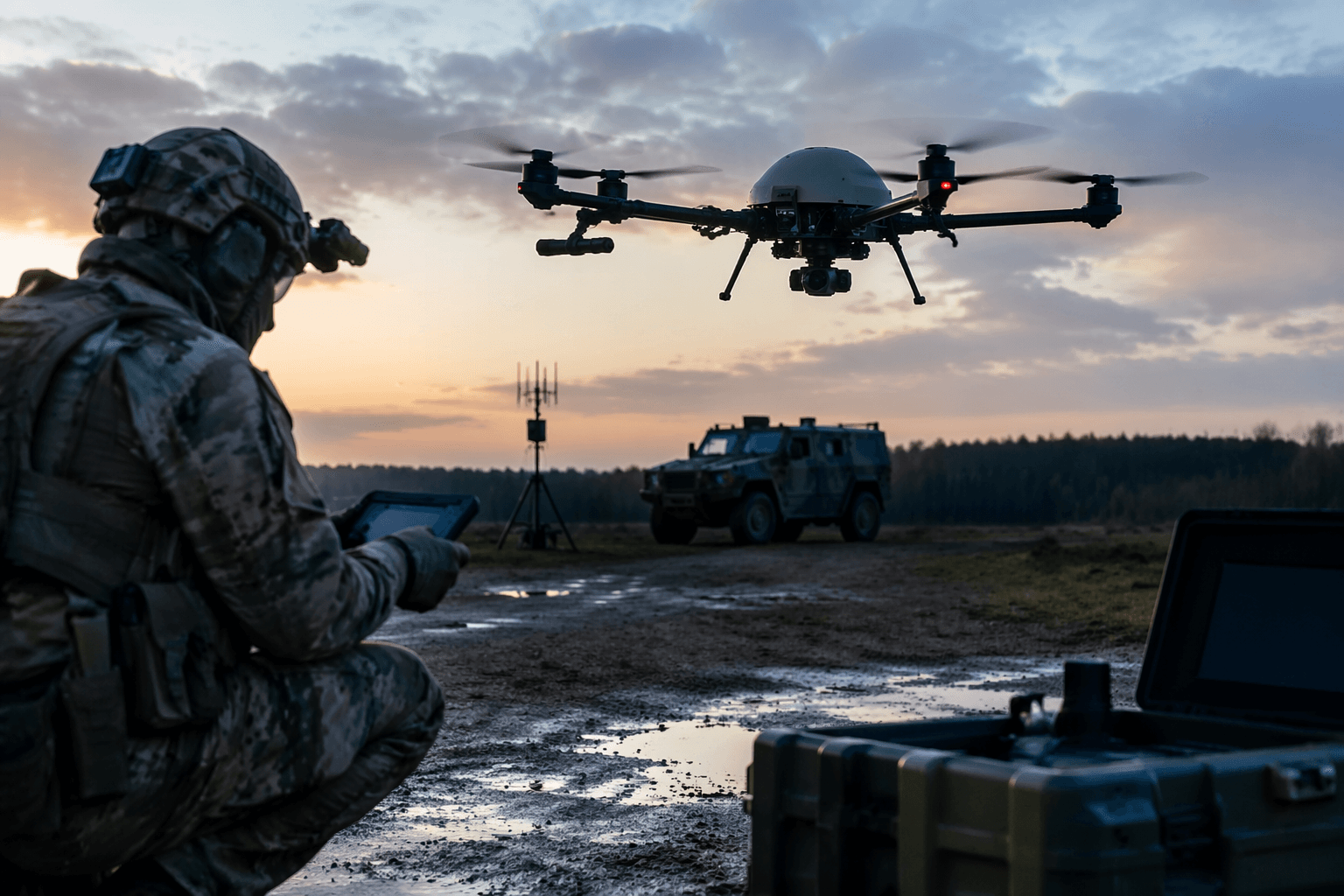
The 2025 Strategic Defence Review, published on 2 June 2025, said the threat facing the UK is “more serious and less predictable than at any time since the Cold War.” Drones are changing how war is fought, and the review set out a shift to “warfighting readiness,” a “NATO first” policy and higher defence spending, with a target of 2.5% of GDP by 2027 and 3% in the next parliament, subject to fiscal conditions.
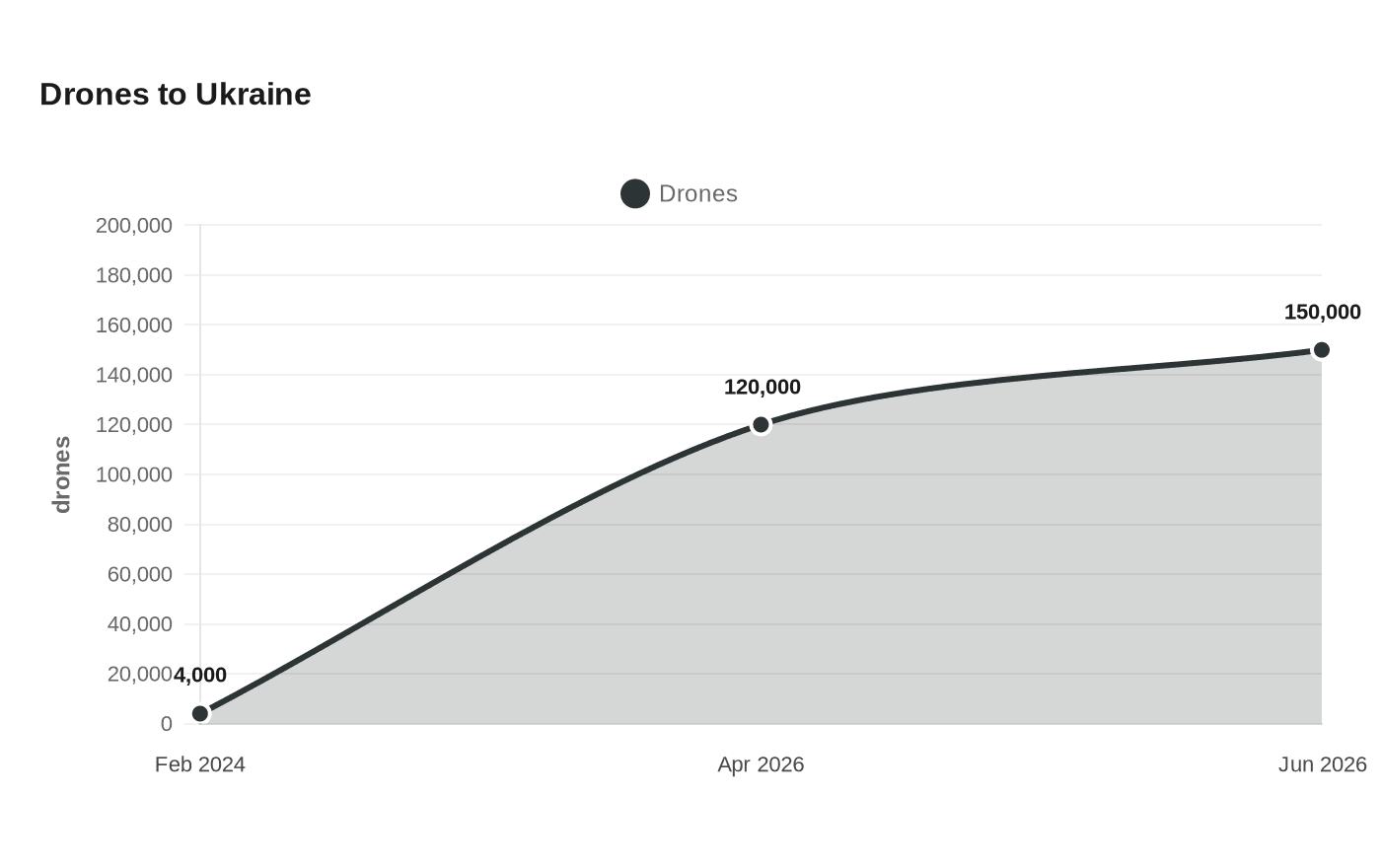
In February 2024, the Ministry of Defence launched a Defence Drone Strategy backed by at least £4.5 billion over a decade, and said the UK had donated more than 4,000 drones to Ukraine. In June 2025, the government announced more than £5 billion for drone and laser technology, with more than £4 billion aimed at autonomous systems. In April 2026, it announced its biggest ever drone package for Ukraine, delivering at least 120,000 drones that year, and in June 2026 the UK announced it would provide 150,000 Ukrainian-produced drones by the end of the year as part of a £752 million package.
Defence chiefs believe there is still a £28 billion funding gap over the next four years, and John Healey resigned after criticism that the government had not raised enough money to keep the country safe.
This article was produced by Prism’s automated news system from verified source data, official records, and press releases, then run through automated quality and moderation checks before publishing. The system is built and supervised by the people who set the standards it runs under. Read our full AI policy.
Did this article answer your question?

