UK eases UAE travel advice as Middle East tensions remain high
Britain lifted its strongest UAE travel warning, but officials still said attacks could resume at short notice after thousands of Britons were stranded across the Gulf.

Britain eased its travel advice for the United Arab Emirates on June 18, removing the warning against all but essential travel, but the government stopped far short of declaring the region safe. The Foreign, Commonwealth & Development Office said the situation remained unpredictable and that attacks could resume at short notice, a reminder that official guidance can shift quickly without eliminating danger.
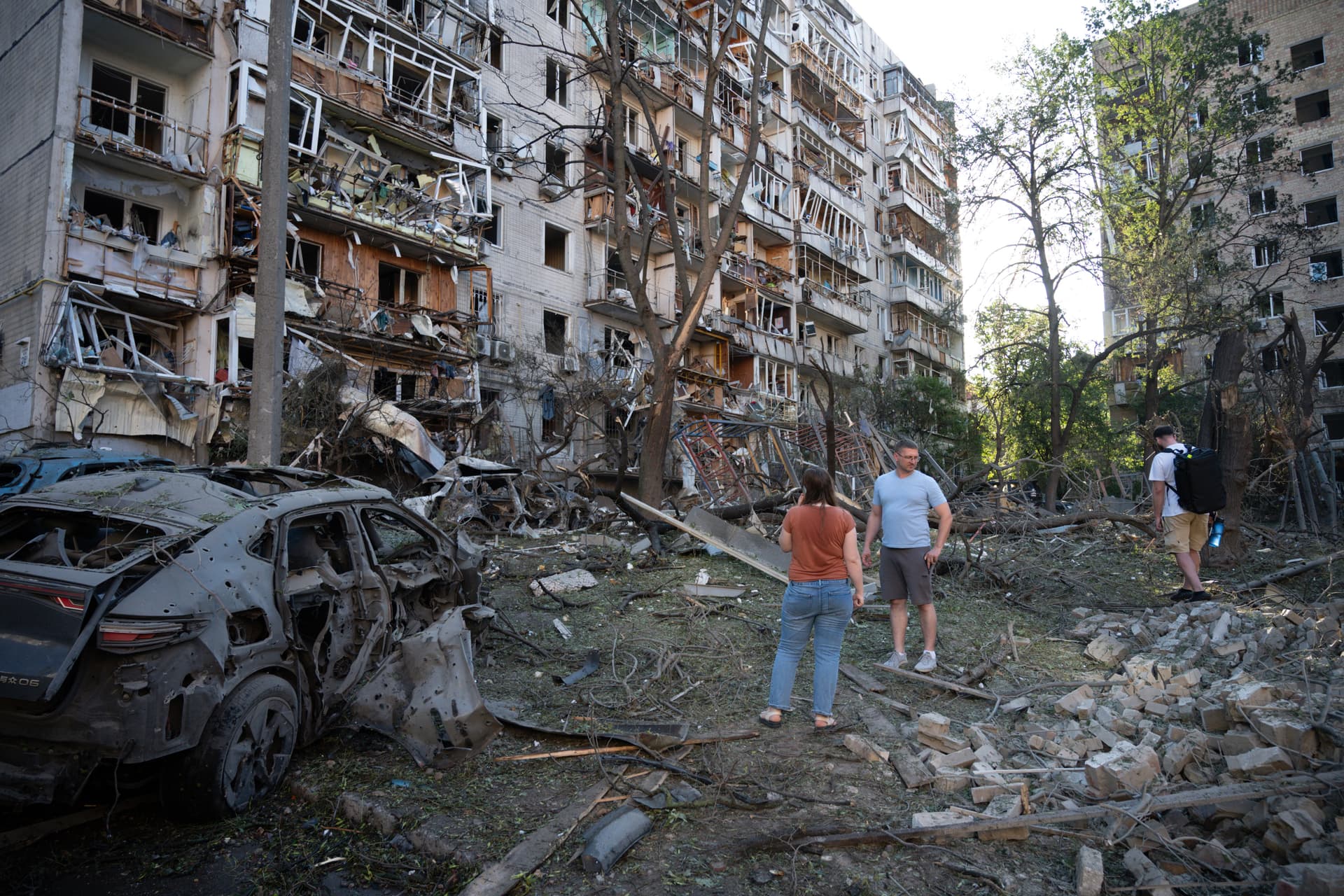
The change came after weeks of upheaval across the Middle East, when the US-Iran war and the surrounding strikes and counterstrikes disrupted flights, hotels and airport operations from Dubai to Abu Dhabi. During the height of the crisis, British holidaymakers described what they were living through as a "nightmare from hell", with many stuck in hotel rooms while they waited for flights home.
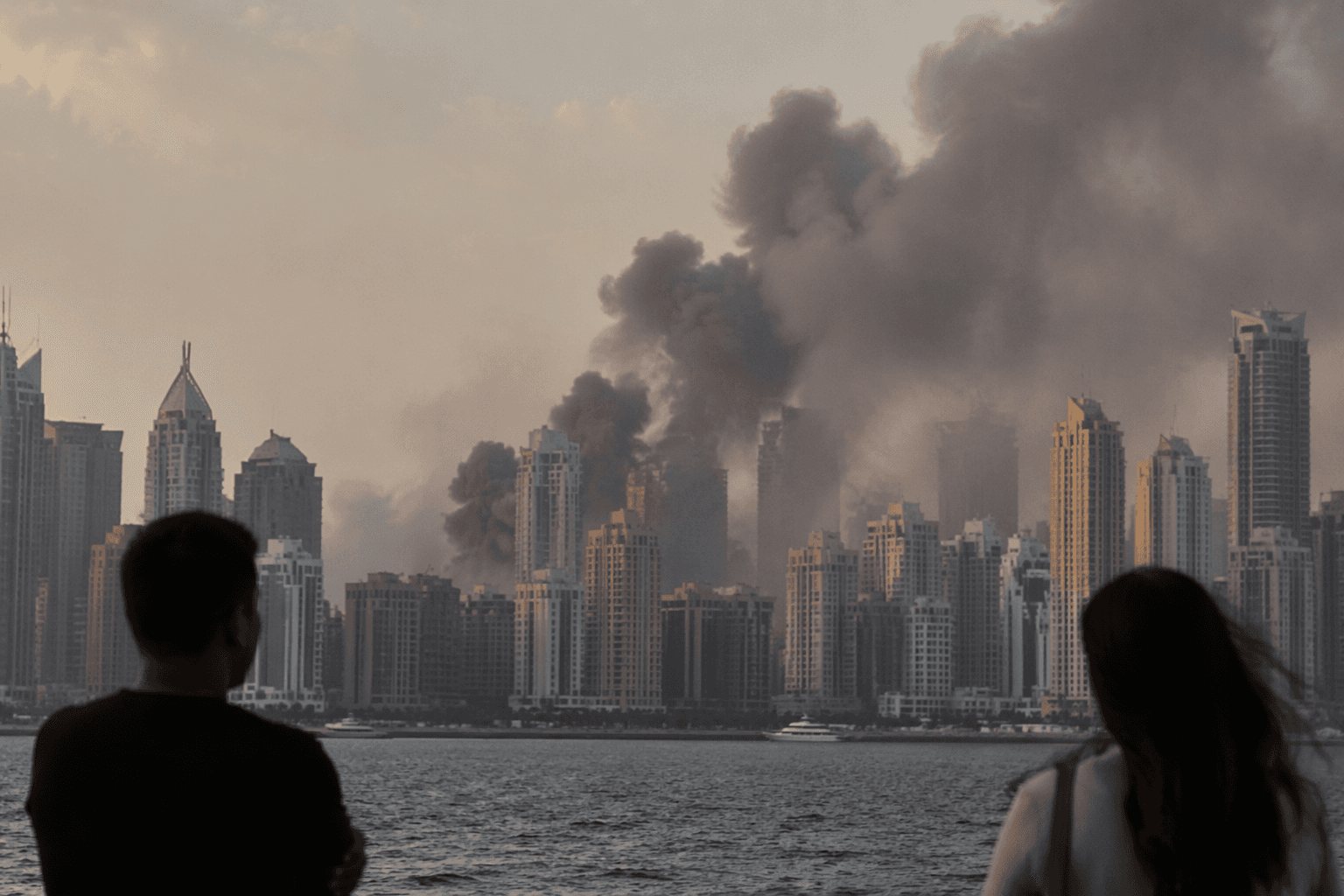
That chaos exposed how many people can be caught out when a regional crisis collides with air travel. Around 300,000 Britons were believed to be in countries targeted by Iran, and just over 100,000 had registered with the Foreign Office at one point. Some reports put the number of Britons in the UAE and nearby Gulf states who had already logged their locations and contact details at 94,000, showing how quickly a routine holiday or work trip can turn into an emergency evacuation problem.
The FCDO’s updated UAE advice still carried pointed warnings. It told British nationals to monitor local and international media, follow local authorities, stay away from security or military facilities, keep departure plans under review and make sure travel documents were up to date. It also said the greatest risk in such incidents came from falling debris caused by intercepts, and urged travelers to seek secure shelter if told to do so.
The episode also highlighted the limits of state travel advice. The government had first published its wider Middle East crisis guidance on March 1 and updated it on March 5, telling Britons in Bahrain, Israel, Kuwait, Lebanon, Palestine, Qatar and the UAE to register their presence so they could receive direct updates. Foreign Secretary Yvette Cooper said ministers were working on "every possible option" to get Britons home, while rapid response teams were sent to Gulf states and contingency evacuation plans were drawn up, including routing people through Saudi Arabia if conditions worsened.
By the time the UAE warning was relaxed, the lesson was stark: a lowered advisory did not mean a clean bill of health. The state can help people register, warn them and plan routes out, but once airports close and missiles are in the air, travelers still carry much of the risk themselves.
This article was produced by Prism’s automated news system from verified source data, official records, and press releases, then run through automated quality and moderation checks before publishing. The system is built and supervised by the people who set the standards it runs under. Read our full AI policy.
Did this article answer your question?