UK enemies ignore Treasury timetables, Healey warns
Healey said Britain’s enemies do not wait for Treasury timetables as military chiefs warned funding gaps could cut exercises, training and live operations.
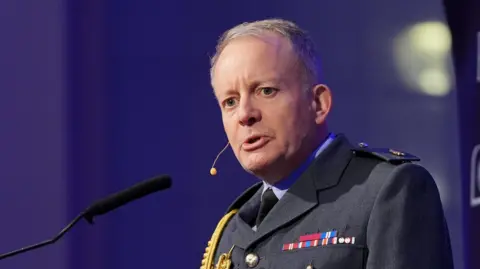
John Healey used his first Commons speech since resigning as defence secretary to argue that Britain’s enemies move faster than the Treasury’s budget cycle. He said the current defence investment plan fell well short of what was needed, just as Air Chief Marshal Sir Richard Knighton warned that the armed forces would have to dial back operations, exercises and training without more money.
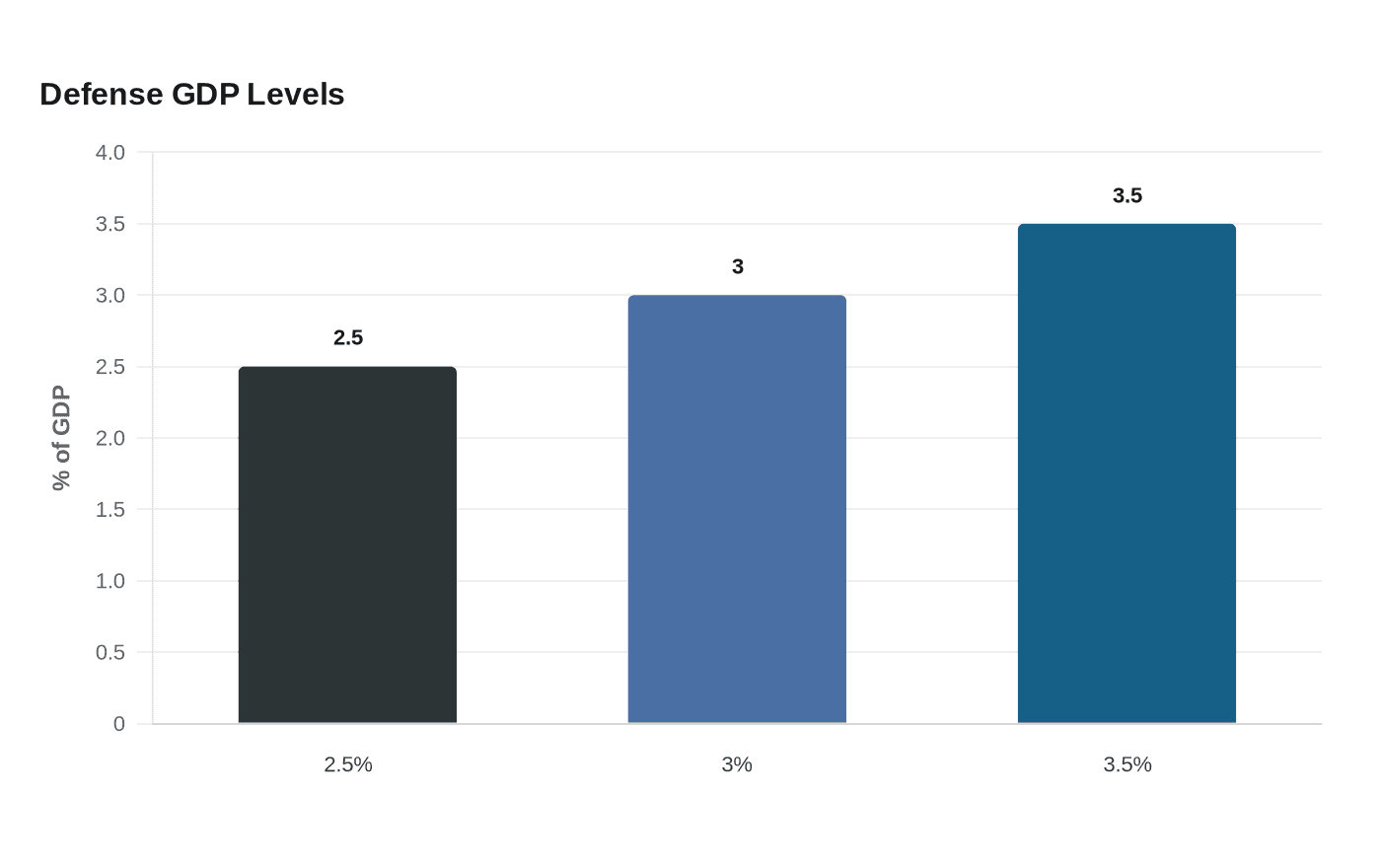
Healey told MPs the plan would raise defence spending by only 0.08% of GDP from next year to 2030, with no date for reaching 3% and no path to 3.5% by 2035. He said he had pushed for a 3% marker by 2030, arguing that Britain had already lifted defence investment to 2.5% of GDP three years earlier than expected.
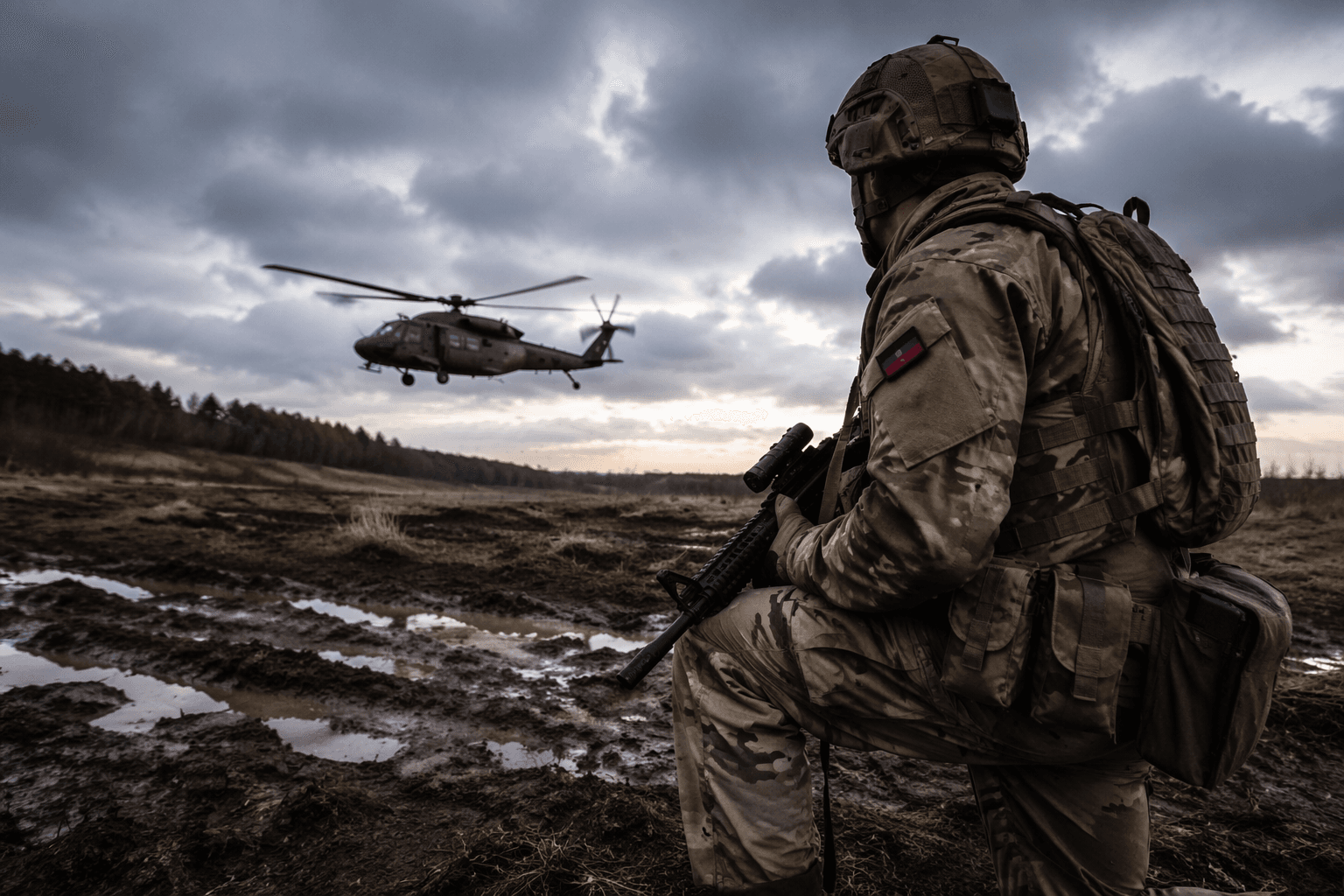
In his resignation letter to the prime minister, Healey tied the argument to concrete commitments now stretching the armed forces. He cited the multinational Strait of Hormuz mission in the Middle East, NATO’s Arctic Sentry mission in the High North, increased Russian activity towards the UK and NATO nations, and the planned British deployment to Ukraine after a ceasefire. His case was that the Defence Investment Plan had to fund those demands now, not after another spending round.
Knighton, giving evidence to the Lords International Relations and Defence Committee, said the area he was most concerned about was day-to-day activity funding, because it pays for operational activity and drives exercises and training. Bloomberg reported that he said cuts would be necessary unless ministers added to the proposed £10 billion real-terms boost, with the pressure most acute on live operations from the NATO area to the Middle East.
The government had already delayed publication of the Defence Investment Plan, which ITV said was due before the Nato summit on July 7. Healey’s resignation turned that delay into a wider test of whether Labour’s defence ambitions can be matched by cash, or whether the armed forces will have to absorb the shortfall through slower training and thinner operational cover.
This article was produced by Prism’s automated news system from verified source data, official records, and press releases, then run through automated quality and moderation checks before publishing. The system is built and supervised by the people who set the standards it runs under. Read our full AI policy.
Know something we missed? Have a correction or additional information?
Submit a Tip