UK fuel theft hits record highs as prices surge after Iran war
Fuel theft has jumped by a fifth in five months, with nearly £200,000 stolen daily from UK forecourts after Iran-fuelled price rises.
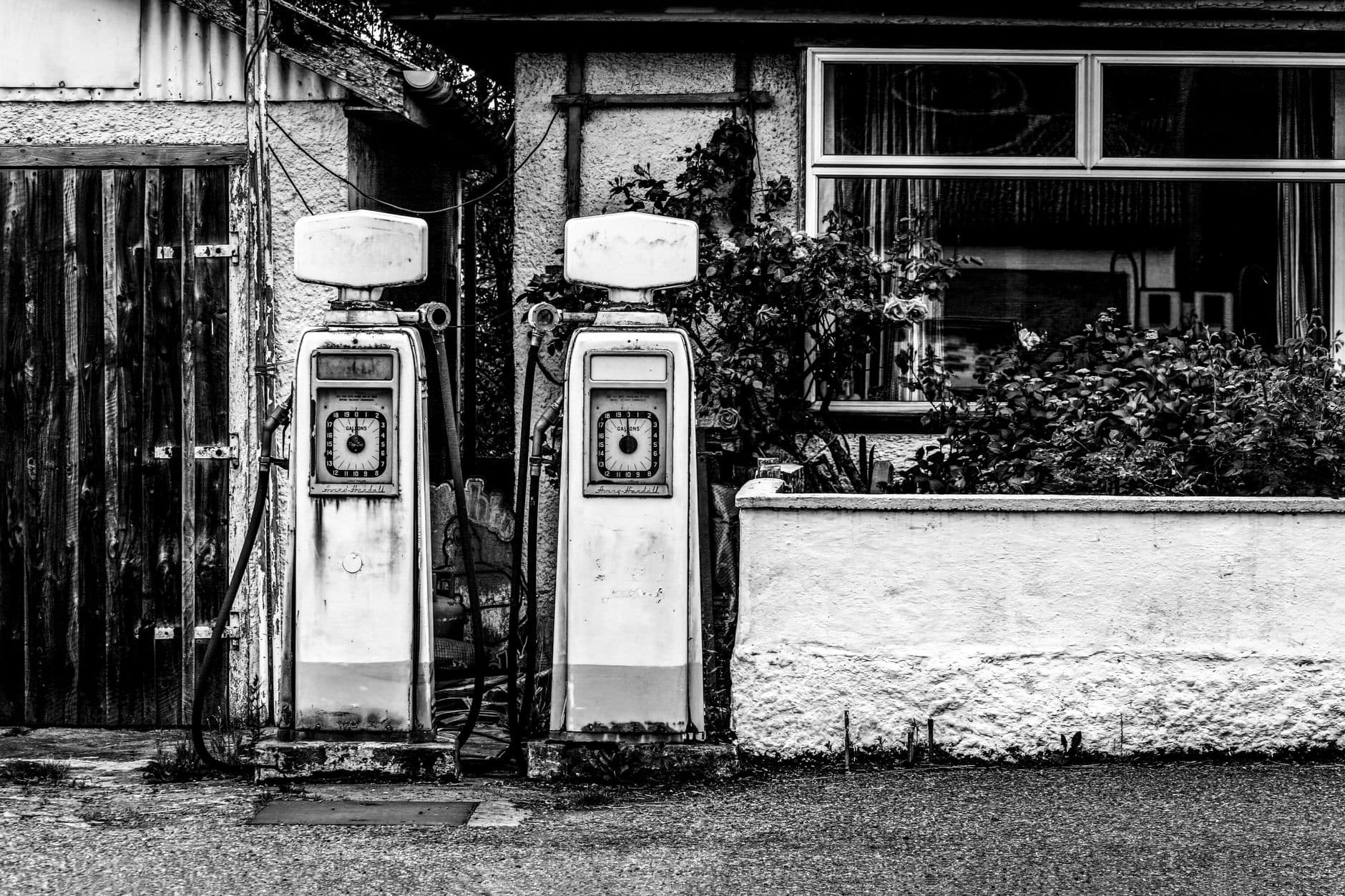
Incidents of fuel being taken without payment have risen by a fifth in five months, as surging pump prices after the Iran war feed straight through to UK forecourts. BBC News said drivers have stolen almost £200,000 of fuel from petrol stations on average every day since the conflict began and pushed prices higher.
The figures came from Pay My Fuel, a fuel theft recovery company, and point to a sharp escalation in a crime long tied to expensive petrol. In a related report, BBC News said petrol theft had surged by 62% compared with a year ago, while one forecourt owner said drive-offs were costing him £2,000 a week across his five sites.
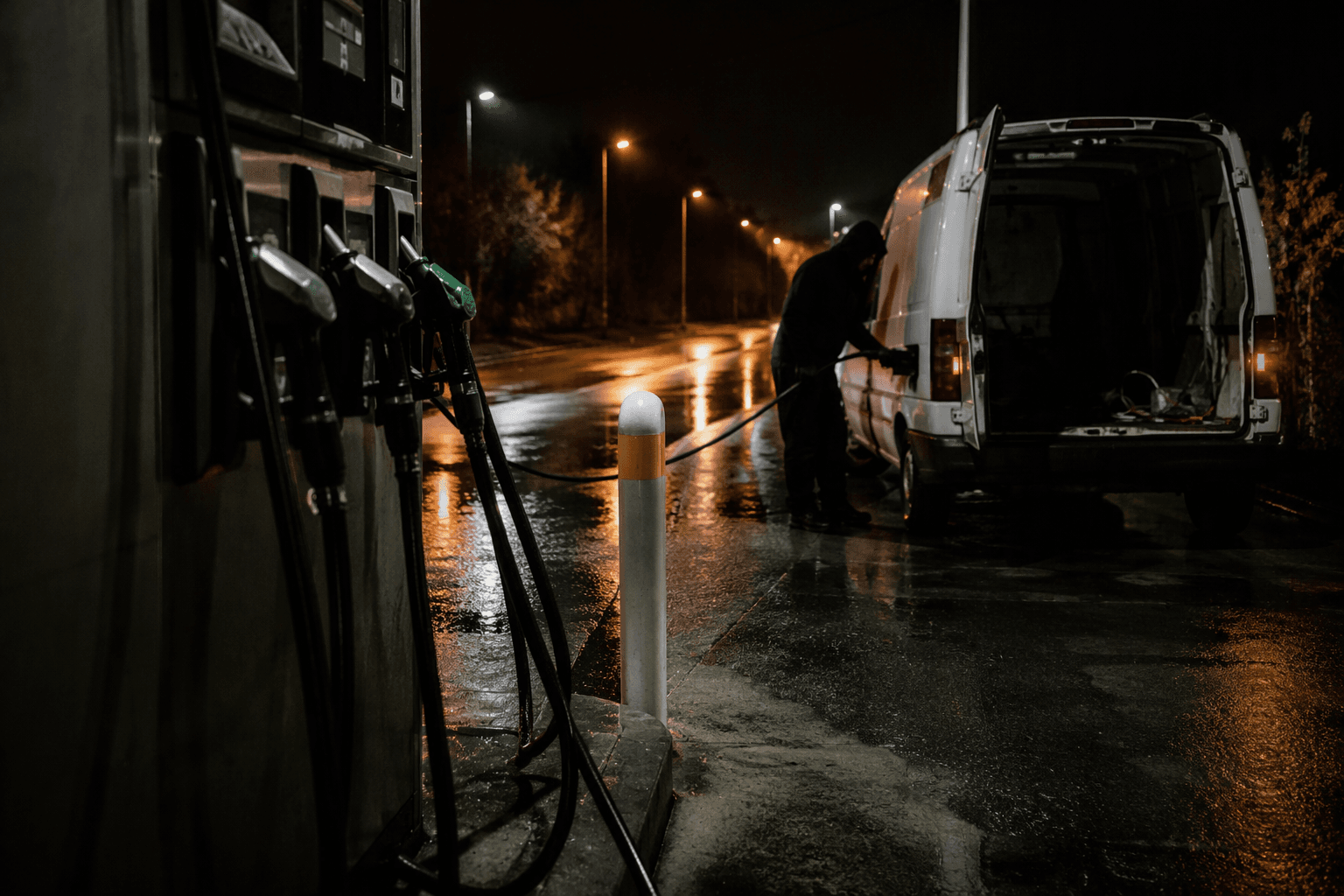
The scale of the theft is not just a nuisance for station owners. Search results also cited an estimate that about 100,000 litres of fuel are stolen in the UK every quarter, or 400,000 litres a year, a loss that lands directly on forecourt balance sheets. For small and family-run operators already facing higher operating costs, every unpaid fill-up eats into margins that are typically thin even in calmer periods.
The cost pressure is also showing up in staff abuse. BBC News said petrol and diesel retailers have faced a jump in abuse because of high fuel prices caused by the US-Israel war with Iran, adding a policing and workplace safety problem to the financial hit. That makes forecourt theft more than a matter of lost stock: it is increasingly part of a wider breakdown in how price shocks are absorbed at the pump.
Earlier reporting has linked fuel theft to rising petrol prices for years, but the current jump has been described in industry coverage as a new record high. The pattern matters because the burden can move in two directions at once: first onto retailers, who absorb the immediate loss, and then potentially onto paying customers if stations raise prices to protect already squeezed margins.
This article was produced by Prism’s automated news system from verified source data, official records, and press releases, then run through automated quality and moderation checks before publishing. The system is built and supervised by the people who set the standards it runs under. Read our full AI policy.
Did this article answer your question?