UK net zero target faces scrutiny as rising costs fuel political divide
Kemi Badenoch’s break with the 2050 net zero target has turned climate policy into a fight over bills, not just emissions.
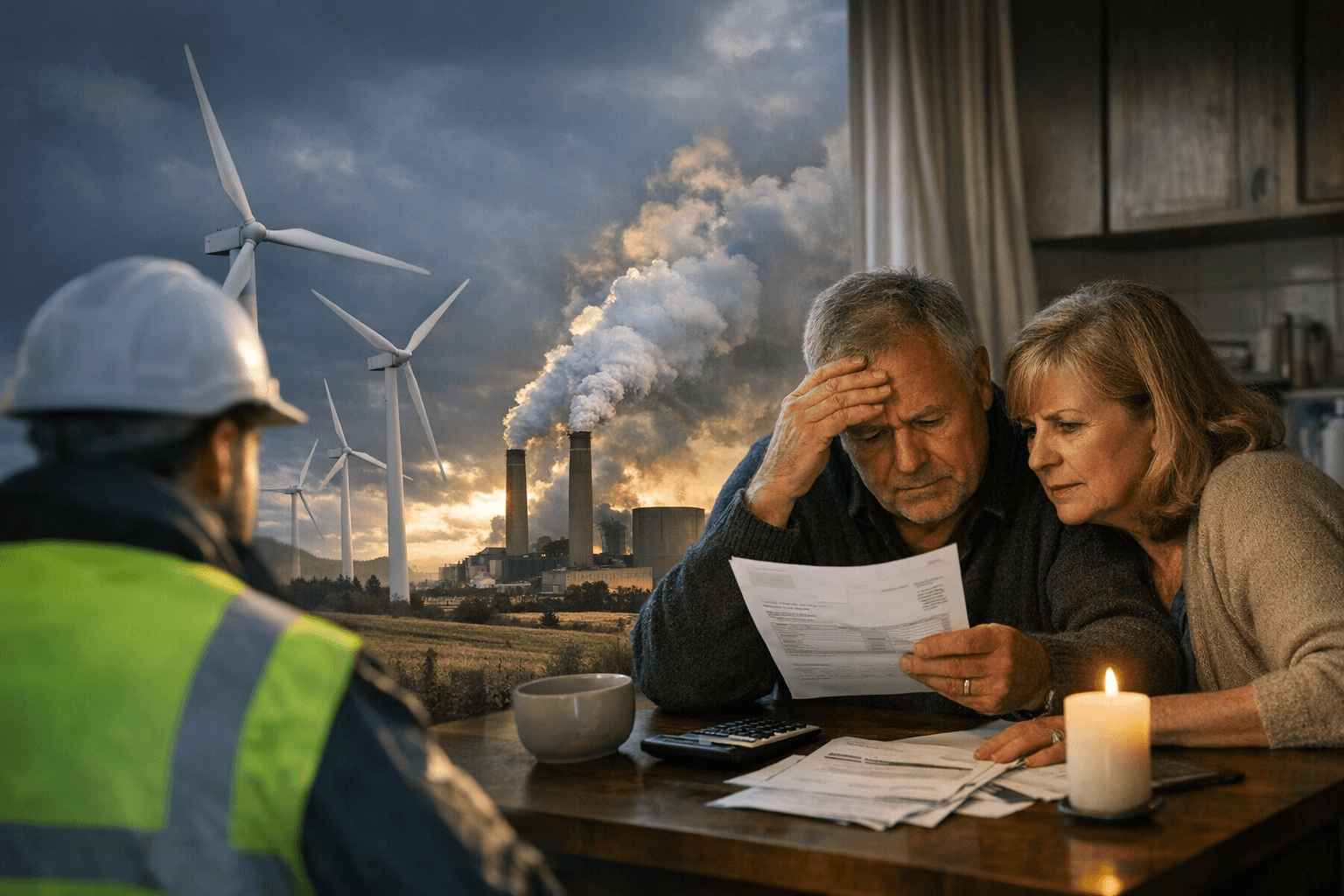
The UK’s climate debate has shifted from targets to household costs. After the 2019 cross-party deal that amended the Climate Change Act 2008 to require net zero greenhouse gas emissions by 2050, Conservative leader Kemi Badenoch said in March 2025 that her party no longer backed the goal because it was not affordable.
That break matters because net zero is no longer a symbolic pledge. It sits at the center of the Climate Change Committee’s carbon-budget framework and the government’s decarbonisation plans for the 2030s, while the House of Lords Library says the argument has now become explicitly tied to affordability and delivery. The politics have also sharpened as parties such as Reform UK and parts of the Conservative Party lean harder on the cost of climate action.
The Climate Change Committee’s 2025 progress report gives both sides ammunition. It says UK greenhouse gas emissions were 50.4% below 1990 levels in 2024, showing the country has already cut more than half its emissions. But it also says the government has made no clear progress on removing policy costs since the election, and it puts making electricity cheaper for consumers first among its recommendations. The committee argues that lower power prices would help households and businesses adopt cleaner technologies faster, from electric cars to heat pumps.
The sharpest test is in electricity generation. In March 2023, Grant Shapps set out an offshore wind roadmap aiming for up to 50GW by 2030, including up to 5GW of floating wind. Yet the fifth Contracts for Difference auction, which commenced on 30 March 2023, won no new offshore wind projects. Carbon Brief said the auction secured about 9TWh of electricity in total, less than 3% of current UK demand, and reported that offshore wind costs had risen by as much as 40% from the previous year because of supply-chain and inflation pressures. Officials are still reassessing those assumptions through a later offshore-wind cost update commissioned by the Department for Energy Security and Net Zero from Arup.
Heat pumps tell a similar story. The government’s April 2023 roadmap said annual deployment could reach at least 600,000 by 2028, with up to £28 billion in cumulative supply-chain investment and at least 300,000 heat pumps a year made in the UK by 2028. Ofgem says the Boiler Upgrade Scheme offers £7,500 off the cost and installation of an air-source or ground-source heat pump in England and Wales. The scheme received another £25 million on 30 January 2025, lifting its 2024/25 budget to £205 million, and is due to close on 31 December 2027.
Polling from the Department for Energy Security and Net Zero shows why the argument is landing so hard: a large majority of respondents think climate policy will cost them money rather than save it. The choice now facing ministers is whether they can make decarbonisation visibly cheaper for voters and industry, or whether rising costs will keep dragging the politics of net zero into a deeper divide.
This article was produced by Prism’s automated news system from verified source data, official records, and press releases, then run through automated quality and moderation checks before publishing. The system is built and supervised by the people who set the standards it runs under. Read our full AI policy.
Did this article answer your question?

