UK shelves plan for EU goods single market after Brussels doubts
Brussels scepticism has shelved London’s push for a goods-only single market, even as ministers weigh a deeper reset that could trim paperwork for exporters.
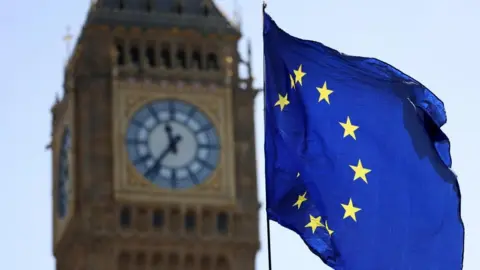
Britain has shelved an ambitious push for a goods-only single market with the European Union after early resistance from Brussels, slowing one of the boldest ideas yet in Labour’s Brexit reset. The proposal, raised by Michael Ellam, the Cabinet Office’s lead official on EU relations, was aimed at cutting paperwork and border friction for manufacturers and exporters, but industry figures briefed on the move said it has not been taken forward for now.
The idea sits inside a wider effort by Sir Keir Starmer’s government to rebuild economic ties with the EU without reopening the political battles that accompanied Brexit. Labour has already struck a new agreement with Brussels on sanitary and phytosanitary rules and emissions trading cooperation, announced on 19 May 2025, which the government said could add nearly £9 billion to the UK economy by 2040. Ministers have also talked up closer cooperation on trade frictions, while repeating the same red lines: no return to the customs union, no rejoining the single market and no freedom of movement.
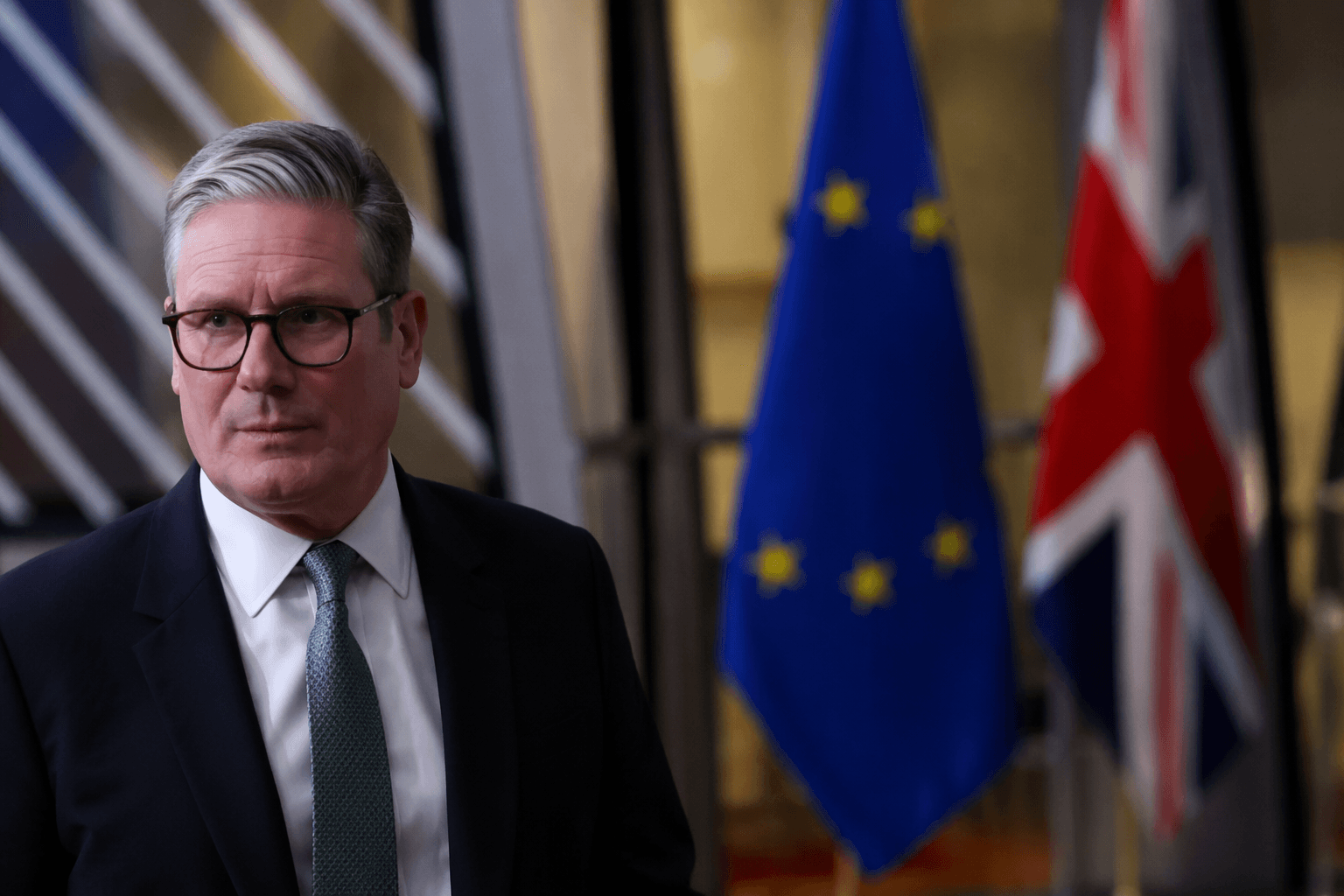
A goods-only single market would have gone further than the current deal by aiming to remove more checks and divergence for traded products, particularly for British firms selling into the EU’s huge market. That would matter most to manufacturers, food producers and exporters now facing extra certification, border paperwork and delays since the UK left the EU customs union and single market on 31 December 2020. For businesses moving components across the Channel, even small reductions in friction can lower costs, speed delivery and make supply chains more predictable.
The political problem is that Brussels has shown little appetite for a bespoke arrangement that gives the UK deeper access without the wider obligations of membership. The EU has been pushing its own integration agenda, with leaders launching the “One Europe, One Market” programme on 19 March 2026 and institutions agreeing a roadmap on 24 April 2026 to deepen the single market by the end of 2027. That makes it harder for London to argue for selective access on favourable terms, especially when the European Union has consistently linked market access to rule alignment.
Still, Labour has clearly moved the argument on from the defensive mood that dominated Brexit politics for years. Nick Thomas-Symonds, the lead minister on the UK-EU reset, and Rachel Reeves have both signalled greater openness to closer alignment with EU rules where it serves the national interest. For now, that looks more likely to produce sector-by-sector deals, such as animal and plant health cooperation and electricity-market links, than a full goods-only single market. But the episode shows how far the reset has already gone, and how quickly it runs into the old fault line between economic ease and political sovereignty.
This article was produced by Prism’s automated news system from verified source data, official records, and press releases, then run through automated quality and moderation checks before publishing. The system is built and supervised by the people who set the standards it runs under. Read our full AI policy.
Did this article answer your question?