UK to consider age and functionality limits for children online
Ministers are weighing age checks, curfews and feature limits for children online as a Lords revolt exposed the gap between bans and enforceable rules.
Ministers are weighing “age or functionality restrictions” for children online, a sign that the next phase of UK policy may reach beyond age checks and into the design of the services themselves. Education Minister Olivia Bailey’s language leaves open a wide range of options, from tighter verification to limits on addictive features, while avoiding a clear commitment to any single model.
The government opened a national consultation on “growing up in the online world” on 2 March 2026, and it will close at 11:59pm on 26 May 2026. The package covers possible age restrictions on social media, gaming sites and AI chatbots, alongside restrictions on addictive design features and risky functionalities. Ministers have also been talking about curfews, age limits and features such as infinite scrolling, tying the debate to children’s sleep, concentration and mental health.
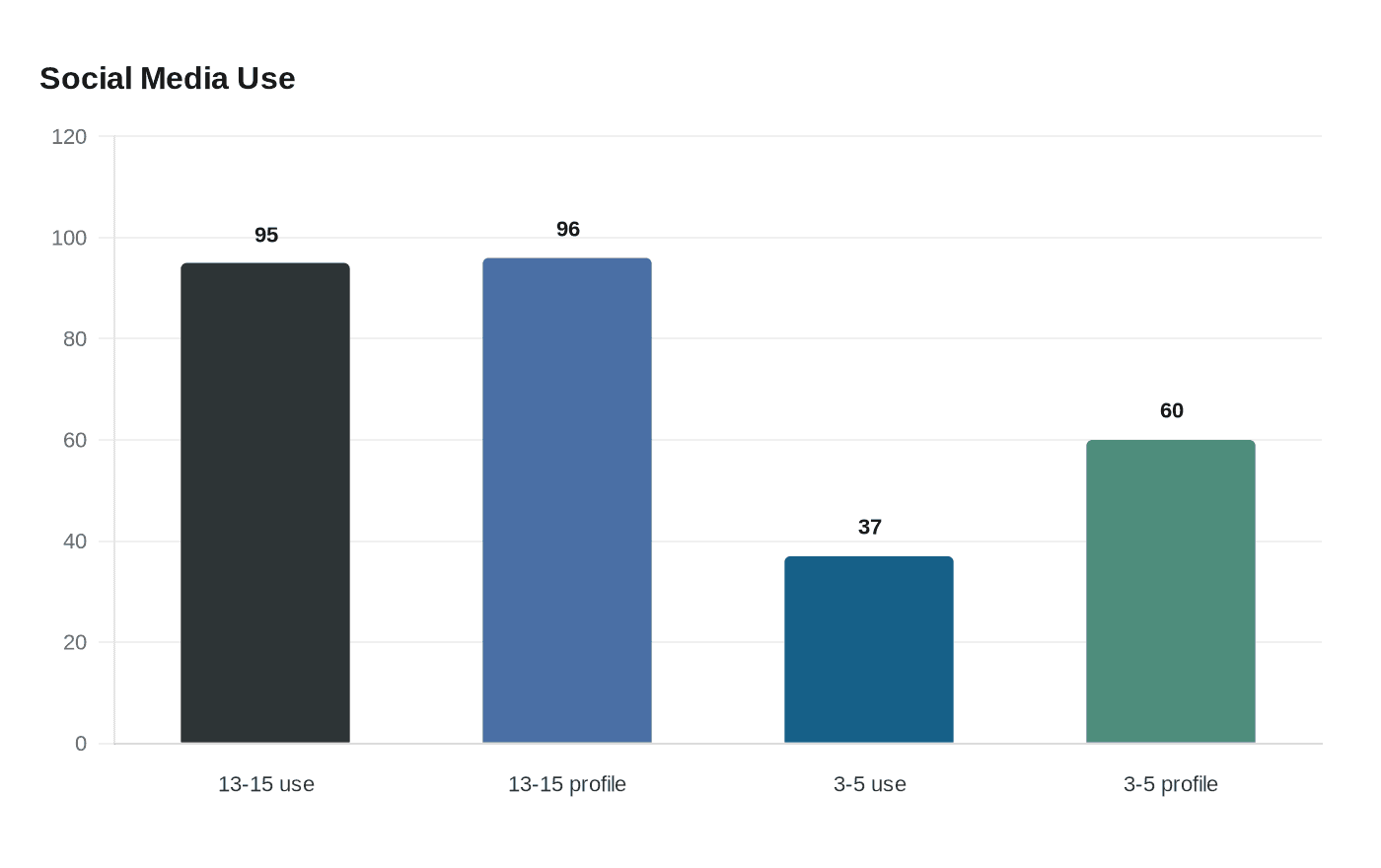
That debate lands on top of rules already in force. Under the Online Safety Act, platforms in the UK have had to use secure age-checking methods for the most harmful material since 25 July 2025. Ofcom has said its child-safety rules require services to introduce strong age checks and safer feeds. The scale of use shows why ministers are now looking beyond a simple ban: Ofcom’s 2025 figures, as summarised by the House of Commons Library, found that 95% of 13- to 15-year-olds use social media and 96% of that age group have their own profile. Even among 3- to 5-year-olds, 37% use social media and 60% have their own profile.
The political fight sharpened on 21 January 2026, when the House of Lords defeated the government 207 votes to 159 on an amendment to the Children’s Wellbeing and Schools Bill that would have banned under-16s from social media. The government had already signalled on 19 January 2026 that it was examining children’s social media use and phone bans in schools. The dispute now is whether ministers want enforceable limits on access itself, or narrower rules on the mechanics that keep children scrolling.
Children’s groups and safety campaigners are pushing in different directions. Dame Rachel de Souza, the Children’s Commissioner for England, said children tell her about seeing inappropriate, harmful and extreme content on social media, often without looking for it. The NSPCC has urged ministers to go further than a ban and force platforms to keep under-13s off social media, stop addictive design tricks and block harmful content at source. A joint statement from children’s and online safety organisations, experts and bereaved families argued that social-media bans are the wrong solution and backed broader safety measures instead. Supporters of a tougher line are also pointing to Australia’s under-16 restrictions as a model.
This article was produced by Prism’s automated news system from verified source data, official records, and press releases, then run through automated quality and moderation checks before publishing. The system is built and supervised by the people who set the standards it runs under. Read our full AI policy.
Did this article answer your question?

