Ukraine Animal Rescuers Risk Shelling to Save Abandoned Pets
Under shelling in eastern Ukraine, rescuers pulled abandoned dogs and cats from shattered homes while shelters across the country stayed overcrowded.
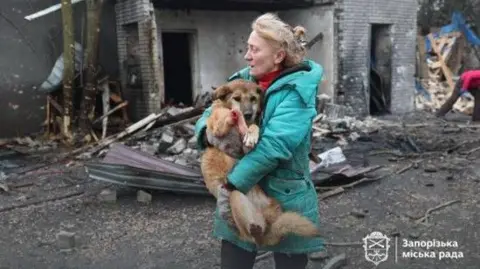
The first thing many evacuation crews found in war-battered towns was not people but pets left behind in empty apartments, train stations and broken houses. Since Russia’s full-scale invasion of Ukraine began on 24 February 2022, animal rescuers have pushed into front-line areas under shelling to pull out dogs and cats whose owners fled bombardment, often with only minutes to spare.
Greater Good Charities said it partnered with Patron Pet Center to deploy evacuation teams for abandoned cats and dogs on the front lines. FOUR PAWS International said it continued to bring pet food, medicines and rescue equipment into areas affected by the war and the destruction of the Kakhovka dam. IFAW said it worked with partners in Ukraine to rescue animals, provide emergency medical treatment and sheltering, while Ukraine War Animals Relief Fund said it had completed four missions in Ukraine and helped more than 5,500 animals since early 2022.
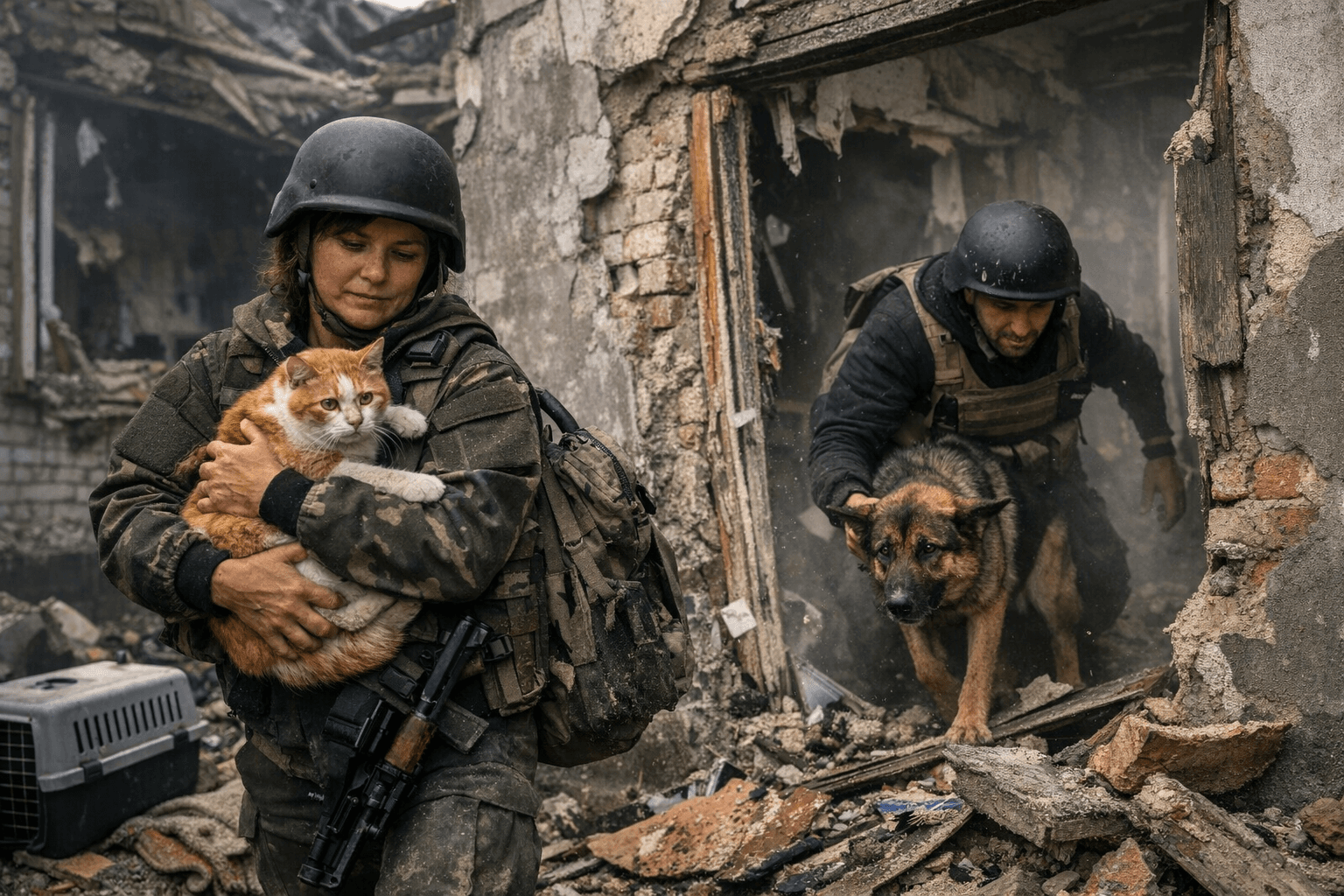
The rescues were not only logistically dangerous. They also reflected the emotional damage the war had done to animals already uprooted by shelling, occupation and flight. Rescue groups said some dogs and cats had become so traumatized that they cowered at the slightest sound, a sign of how quickly war can turn a domestic animal into another displaced civilian. Save Animals Ukraine said shelters in Ukraine remained overcrowded because of the conflict, leaving fewer places to hold the animals pulled from damaged homes.
The work also sat inside a larger humanitarian crisis. On 5 May 2022, United Nations human rights experts said millions of displaced people in Ukraine were traumatized and urgently needed help, underscoring how the war’s psychological toll spread well beyond the battlefield. That reality has shaped the tradeoffs for rescuers in active combat zones: every trip for a dog or cat meant more exposure to shelling, but leaving them behind meant accepting another layer of abandonment in a country already carrying the weight of mass displacement, damaged homes and overstretched shelters.
This article was produced by Prism’s automated news system from verified source data, official records, and press releases, then run through automated quality and moderation checks before publishing. The system is built and supervised by the people who set the standards it runs under. Read our full AI policy.
Did this article answer your question?


