Ukraine faces IMF pressure to tax cheap imported parcels, boost revenues
A 150-euro parcel tax has become a make-or-break IMF test for Ukraine, with billions in aid and EU backing hanging on a vote in parliament.
A tax on low-value parcels has become a test of whether Ukraine can keep IMF money flowing while financing a war. What looks like a narrow customs fix, a value-added tax on imported packages worth less than 150 euros, now sits at the center of Kyiv’s struggle to meet external conditions that shape everything from budget planning to consumer prices.
Ukraine’s finance ministry has said the measure could bring in about 10 billion hryvnias a year. Under the proposal, non-commercial parcels worth less than 45 euros would remain exempt, but the broader rule would end the current VAT-free treatment for most cheap imports. A source close to the discussions said Ukraine needs the law in place to keep its $8.1 billion IMF programme on track, with the next review due in June.

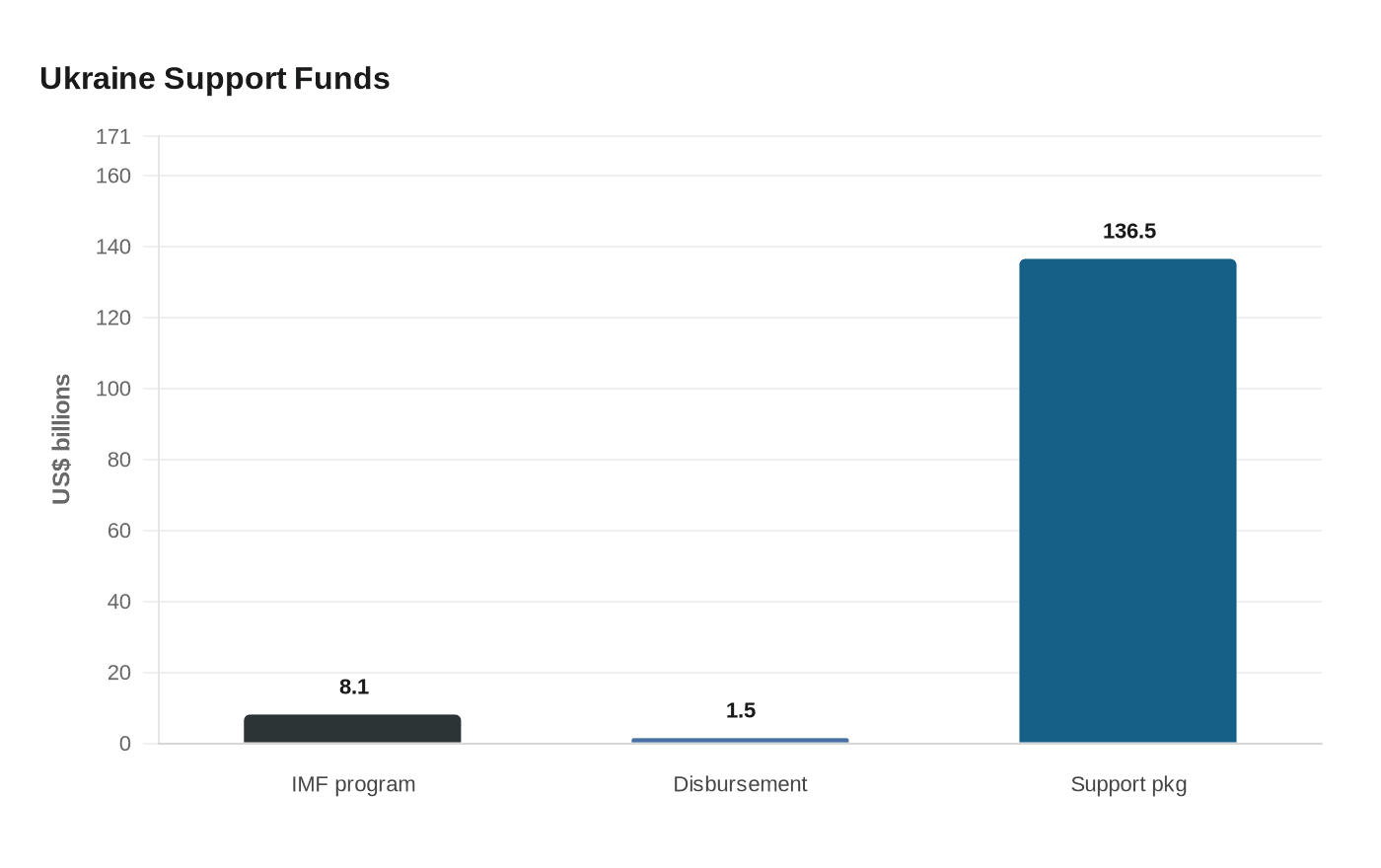
The stakes are larger than one tax line. The IMF approved Ukraine’s new 48-month Extended Fund Facility on February 26, 2026, worth SDR 5.9353 billion, or about US$8.1 billion, with an immediate disbursement of about US$1.5 billion. The programme is part of a broader US$136.5 billion international support package, and the European Commission moved in January to secure financial support for Ukraine in 2026 and 2027. If Kyiv misses IMF benchmarks, that financing chain weakens.
Inside Ukraine, the politics are brittle. The Cabinet of Ministers of Ukraine approved a package of tax bills on March 30 that included VAT on international parcels and a tax on income earned through digital platforms, but it left out a separate proposal to impose VAT on self-employed individuals. Prime Minister Yulia Svyrydenko signaled the sensitivity after talks with IMF officials in Washington in mid-April, calling that idea “not constructive.”
By the end of March, monitoring by the RRR4U consortium said the IMF benchmark on adoption of tax changes was still unmet, including taxation of all parcels. Draft law No. 12430, registered on January 20, 2025, was already on the parliamentary agenda, and it seeks to align Ukraine’s parcel tax rules with European Union VAT rules for international postal and express shipments. One version of the reform would take effect on January 1, 2027.
The fight exposes the limits of wartime reform. Lawmakers broadly agree Ukraine needs more revenue, but many are wary of another unpopular tax that would touch ordinary shoppers, families receiving gifts from abroad and even military personnel. For retailers and tax officials, the current duty-free regime distorts competition and drains public funds. For parliament, the choice is harsher: pass a politically costly tax now, or risk a review that could unsettle IMF support and, in turn, European Commission money.
This article was produced by Prism’s automated news system from verified source data, official records, and press releases, then run through automated quality and moderation checks before publishing. The system is built and supervised by the people who set the standards it runs under. Read our full AI policy.
Did this article answer your question?


