Ukraine’s amputee veterans find healing through adaptive sports
Ukraine’s amputee veterans are using jiu-jitsu, climbing and peer training to rebuild life as the country’s wartime care burden keeps rising.
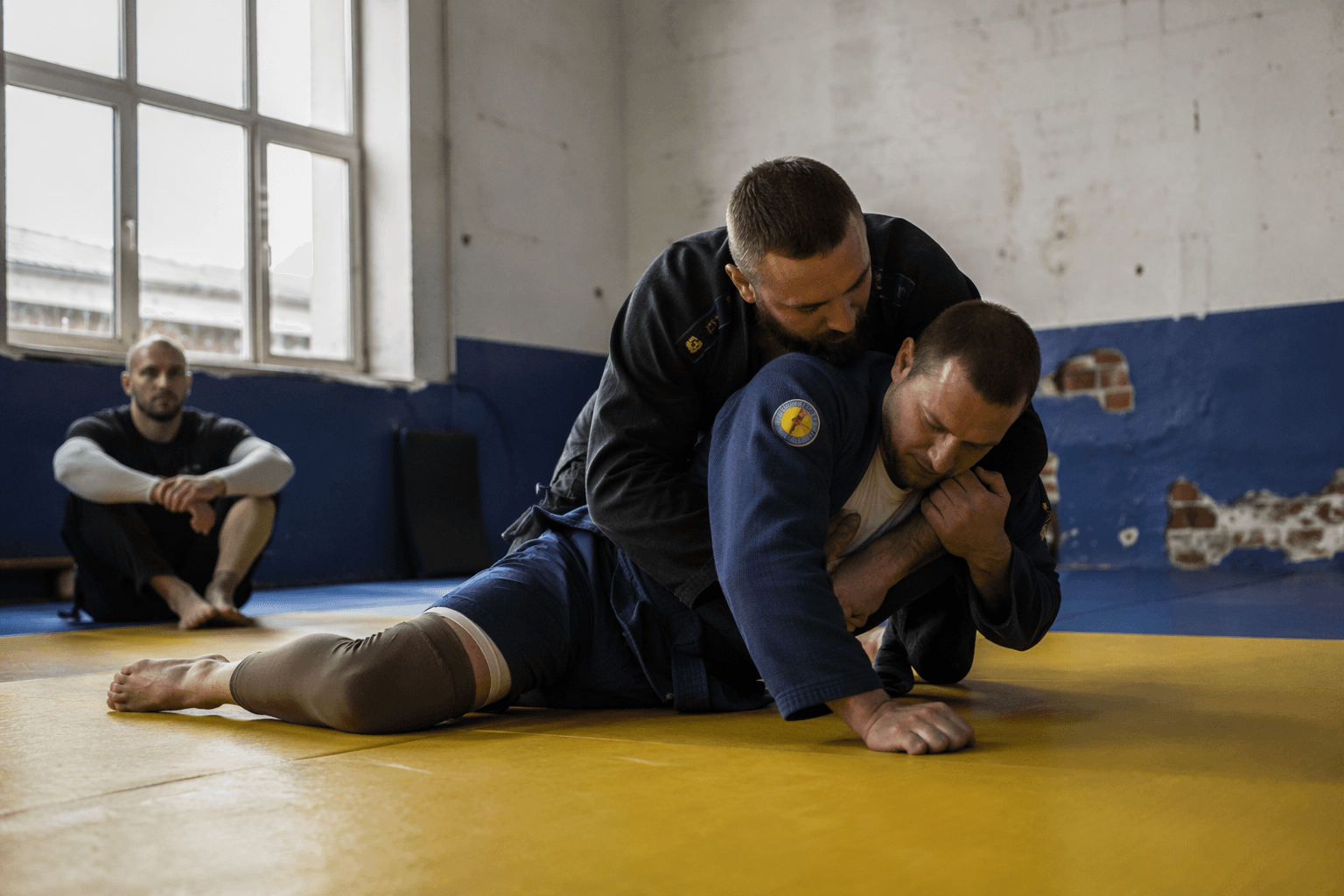
Ukraine’s war has produced a second front inside gyms and sports halls, where amputee veterans are learning to move again, trust their bodies again, and live in public again. The scale is stark: more than 20,000 people in Ukraine had lost limbs from injuries by late 2023, and by early 2025 the National Health Service said about 95,000 amputations had been performed since Russia’s full-scale invasion began.
Adaptive sports as part of wartime care
The numbers point to a long-term rehabilitation burden that stretches far beyond emergency surgery. President Volodymyr Zelenskyy said in late 2024 that Ukraine had about 370,000 war wounded, a figure that helps explain why adaptive sports have become more than recreation. They now function as an improvised extension of wartime medical and social support, especially for people trying to re-enter civilian life with permanent injuries.
That shift matters because adaptive sports do not just train muscles. They create routine, peer contact and a setting where prosthetics, balance, pain and fear can be addressed in practical terms. In a country where thousands of amputees are moving through recovery at the same time, the sports hall has become one of the few places built around repeated practice, shared experience and visible progress.
Kyiv’s para jiu-jitsu model
One of the clearest examples emerged in Kyiv on Oct. 29, 2023, when Ukraine held a national jiu-jitsu competition that included a para jiu-jitsu category for amputee veterans. The event was not designed as a symbolic exhibition. Organizers framed it as a tool for psychological rehabilitation and for building a community of people who understand the same injuries, the same losses and the same day-to-day adjustments.
The sport itself, a Brazilian form of jiu-jitsu, gives amputee athletes a structured way to test control, leverage and coordination without depending on conventional strength or symmetry. Some war veterans have used that training to cope with the trauma of limb loss, turning repeated drills and sparring into a method of rebuilding confidence in public rather than hiding impairment in private.
A key part of that network is TMS Hub in Kyiv, where free jiu-jitsu practice has been offered primarily to veterans of the Russian-Ukrainian war who lost a limb in combat. The hub is described as a safe-space setting that combines training with other support services, which makes it closer to a rehabilitation corridor than a sports club. Five of six athletes in one para jiu-jitsu group began training there, showing how quickly a local program can become a pipeline for participation.
The people around that Kyiv scene include Serhii Pohosyan, Volodymyr Kuzmenko, Vasyl Oksyntiuk, Oleksandr Pedan and Lasse Madsen, names tied to the broader effort to turn adaptive sport into a usable part of recovery. Their presence reflects how these programs now depend on a mix of athletes, organizers and mentors who can keep veterans engaged long enough for training to become habit.
What the programs are filling in
These initiatives are doing work that Ukraine’s formal care system cannot yet fully absorb on its own. They offer a place where veterans can train in a shared environment, compare prosthetic challenges, and build the confidence needed to move from medical treatment into daily life. They also create social continuity at a moment when many wounded servicemen are otherwise navigating isolation, unemployment and the psychological weight of permanent injury.
The practical value can be seen in the way these programs are structured:
- free access for veterans with combat-related limb loss
- repeated training in a peer group rather than a one-time clinic visit
- psychological rehabilitation built into physical activity
- a pathway from hospital discharge to public participation
That combination makes the sports hall a kind of civil defense for rehabilitation. It cannot replace prosthetics, counseling or surgery, but it can keep people connected to a routine while the rest of the system catches up.
Kharkiv, climbing and the widening recovery network
The model has not stayed confined to Kyiv. In 2025, a competition in Kharkiv drew dozens of military amputees to a sports event built to support rehabilitation, widening the geography of the effort beyond the capital. That matters in a war economy where care systems are strained and regional access can determine whether rehabilitation continues or stalls.
By 2026, the sports list had broadened again. Adaptive climbing programs in Kyiv showed that the rehabilitation model is no longer limited to martial arts or contact sports. Climbing adds another layer of reintegration because it forces athletes to solve movement problems vertically, under load and in public view, which makes it useful both physically and psychologically for veterans relearning how to trust their bodies.
Taken together, the jiu-jitsu mats in Kyiv, the competition space in Kharkiv and the climbing walls in the capital show a country building recovery infrastructure in real time. With about 95,000 amputations already performed since the invasion began and a much larger wounded population still moving through care, adaptive sports are becoming part of Ukraine’s long war of rehabilitation, not a footnote to it.
This article was produced by Prism’s automated news system from verified source data, official records, and press releases, then run through automated quality and moderation checks before publishing. The system is built and supervised by the people who set the standards it runs under. Read our full AI policy.
Know something we missed? Have a correction or additional information?
Submit a Tip