Ukraine’s battlefield gains leave millions of displaced civilians vulnerable
Ukraine has slowed Russia’s advance, but 3.856 million people are still displaced and aid is only 56.4% funded, leaving a $1 billion gap.
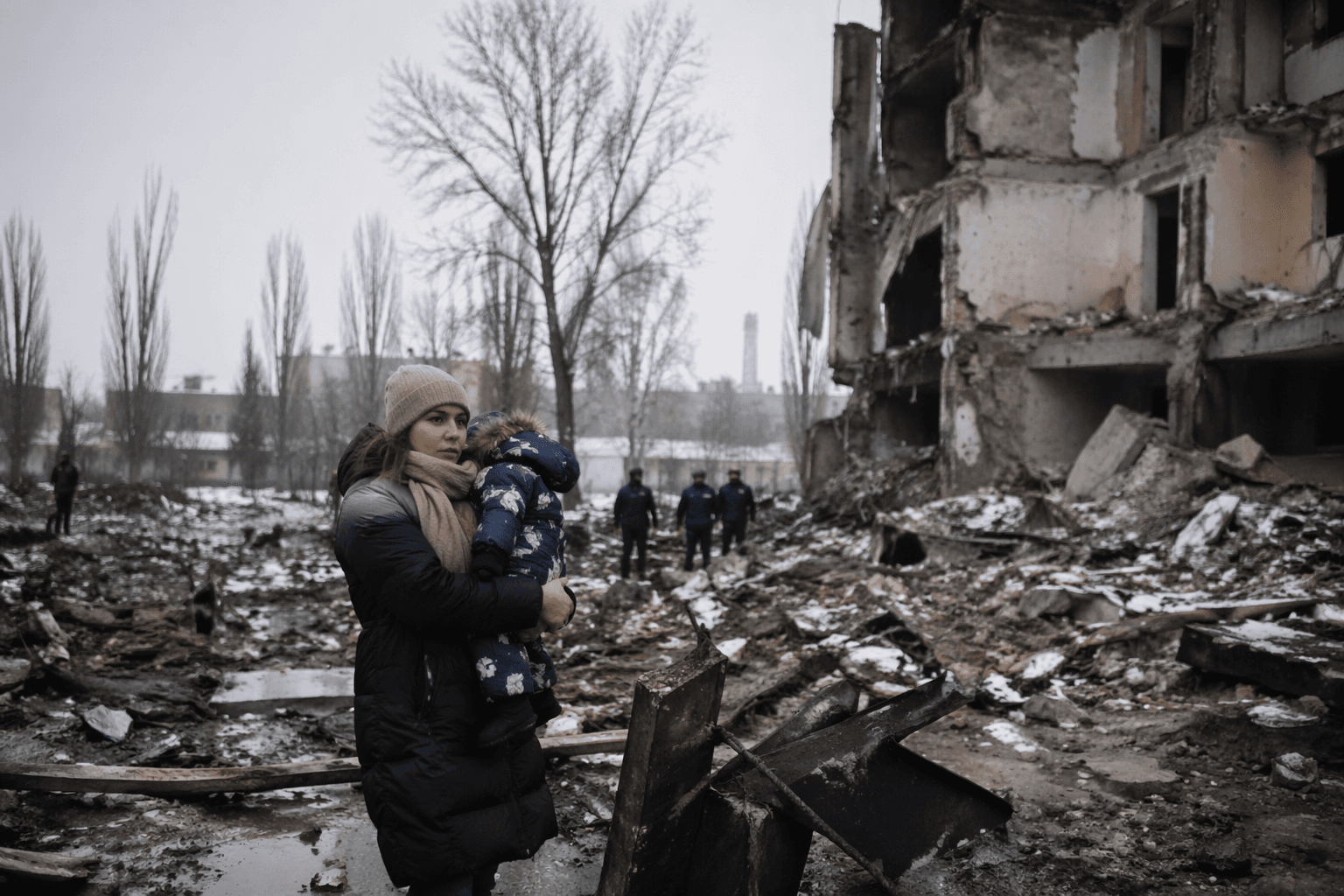
Ukraine’s battlefield position has improved, but that shift has not brought relief to millions of civilians still uprooted by war. The International Rescue Committee says the front line may have steadied, yet families displaced inside Ukraine remain dependent on aid, exposed to trauma, and cut off from the services that make recovery possible.
That gap is growing more visible as humanitarian funding falls. The UN Office for the Coordination of Humanitarian Affairs says Ukraine’s 2026 humanitarian response plan aims to assist 4.1 million of the 10.8 million people in need, with total requirements of about $2.3 billion. Funding coverage stands at roughly 56.4 percent, leaving about $1 billion unfunded even as drone attacks and long-range strikes keep damaging energy, water, health and shelter systems.
The scale of displacement remains staggering. UNHCR and the International Organization for Migration put the number of internally displaced people in Ukraine at about 3.856 million as of March 30, 2026, while more than 6 million people have fled the country. The IRC says the full-scale invasion, which began on February 24, 2022, has left more than 3 million people displaced inside Ukraine and continues to destroy homes, hospitals, schools and other civilian infrastructure.
The humanitarian toll is rising alongside the military stalemate. The UN Human Rights Monitoring Mission in Ukraine reported that 211 civilians were killed and 1,206 injured in March 2026, the highest monthly civilian casualty toll since July 2025 and a 49 percent increase from February. UNHCR said more civilians were killed and injured in May 2026 than in any other month since April 2022, underscoring how even modest battlefield gains have not reduced the danger to people living far from the front.
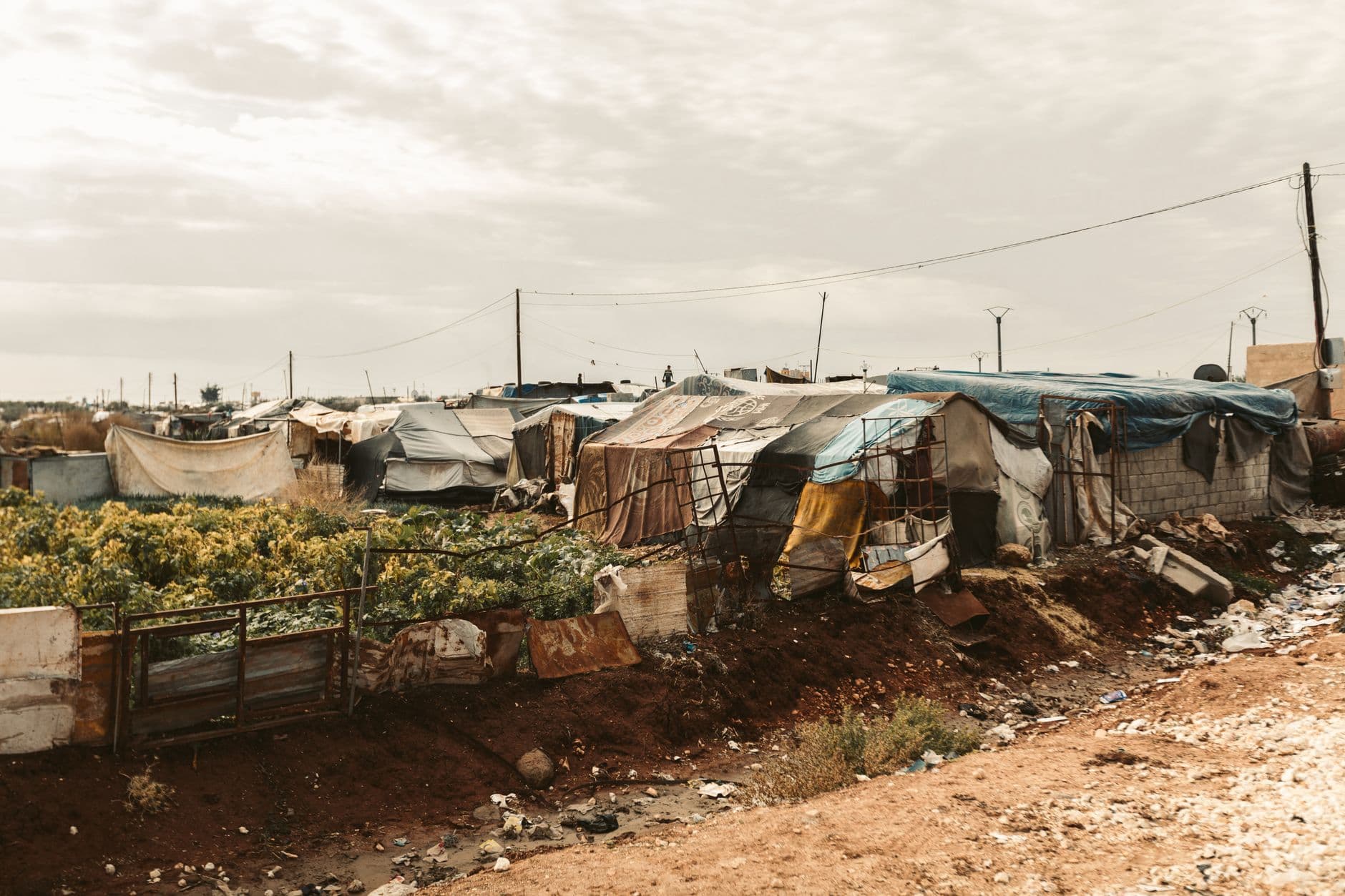
The disconnect was evident in the G7 leaders’ June 17 statement from Évian-les-Bains, France. The group commended Ukraine’s progress on the battlefield in recent months and reaffirmed support for its sovereignty and territorial integrity, while also voicing solidarity with civilians hit by attacks on critical infrastructure. For aid agencies, the message is clear: artillery and drones may shape the map, but food, shelter, medical care and psychosocial support will determine whether millions of Ukrainians can endure another year of war.
This article was produced by Prism’s automated news system from verified source data, official records, and press releases, then run through automated quality and moderation checks before publishing. The system is built and supervised by the people who set the standards it runs under. Read our full AI policy.
Did this article answer your question?