Ukraine’s deep strikes aim to pressure Putin to end war
Ukraine’s latest drone hits on Russian refineries and fuel depots are meant to squeeze Putin’s war machine and force negotiations.
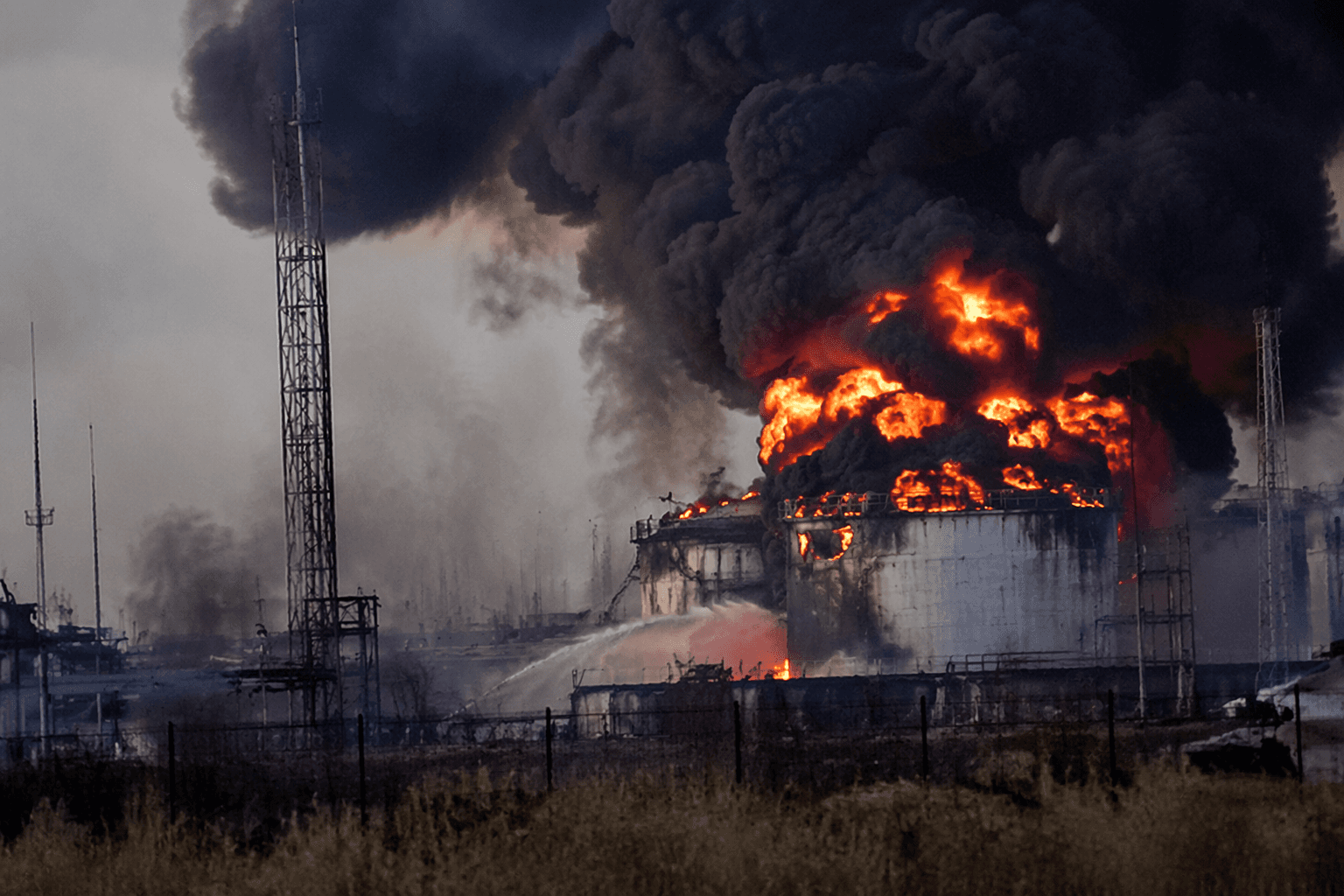
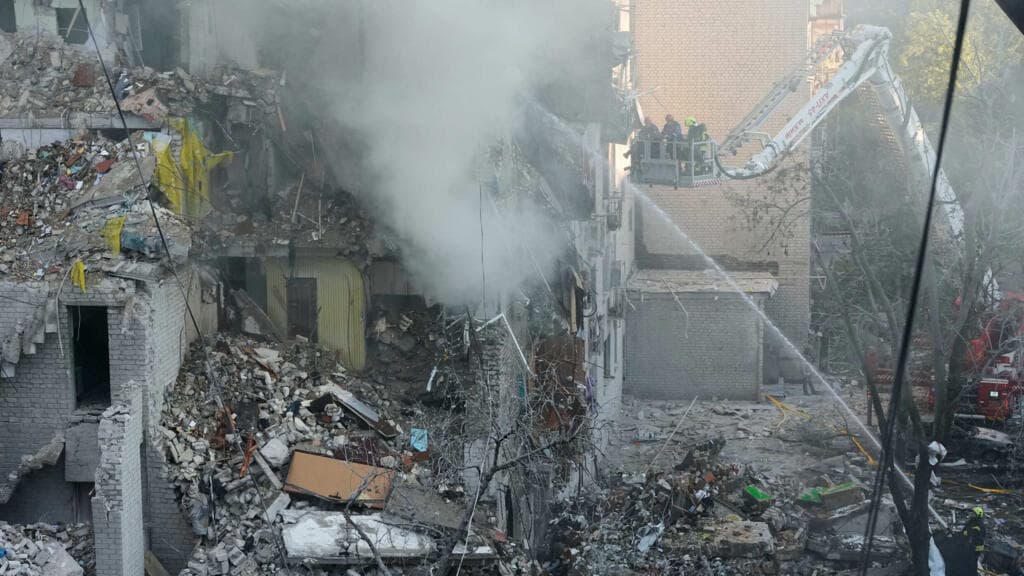
Ukraine said on June 28 it hit two Russian oil refineries as part of a stepped-up air campaign aimed at forcing Vladimir Putin to end the war. The latest attacks followed strikes across several Russian regions, including a Saratov oil refinery and a fuel depot, and showed how far Kyiv has pushed the war onto Russian territory.
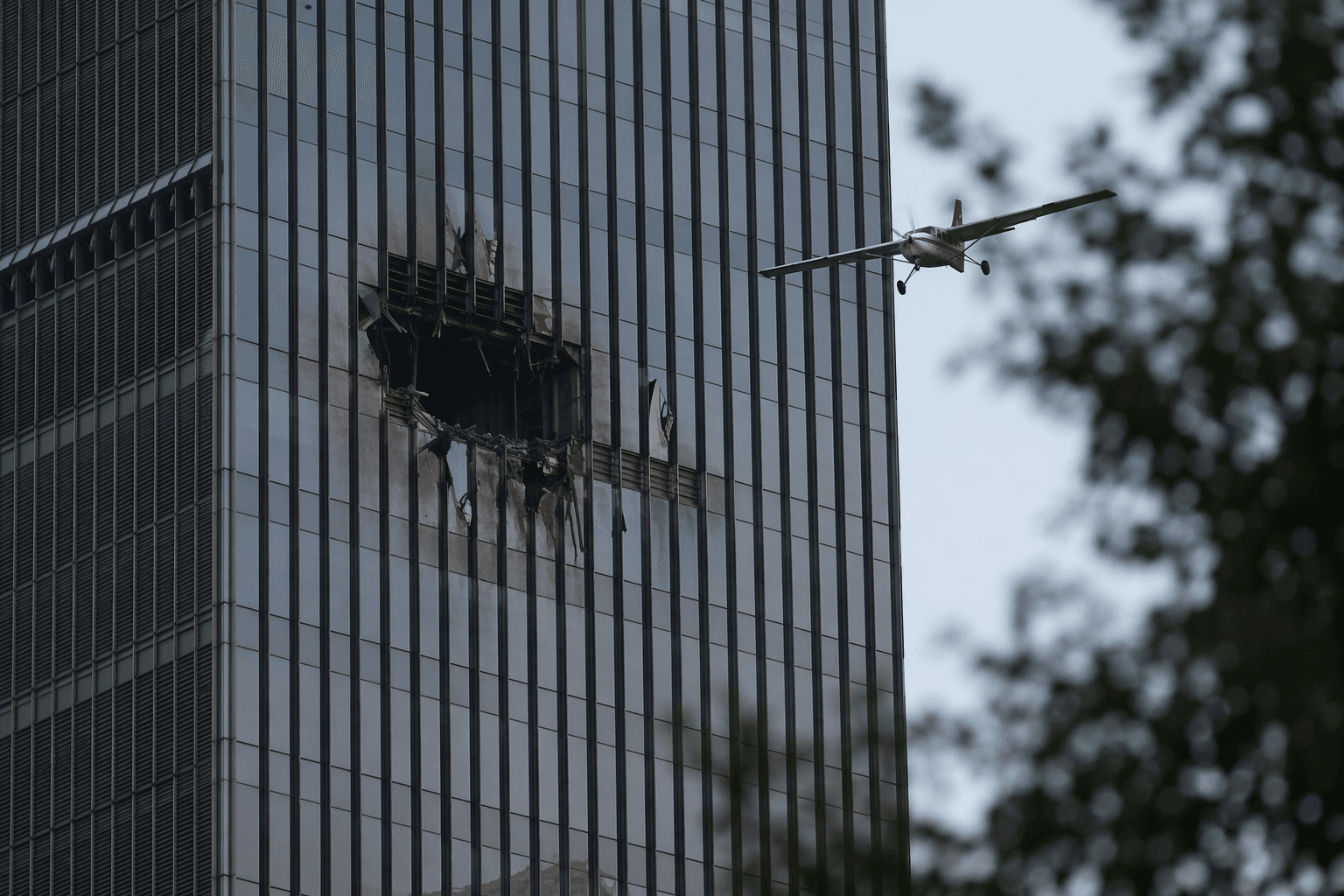
Volodymyr Zelenskyy has said the ramped-up strikes are meant to compel Russia to stop fighting. Ukraine’s drones and missiles have increasingly targeted oil refineries, fuel depots, military facilities and major cities including Moscow and St. Petersburg, turning the campaign into a sustained pressure strategy rather than a series of isolated raids.
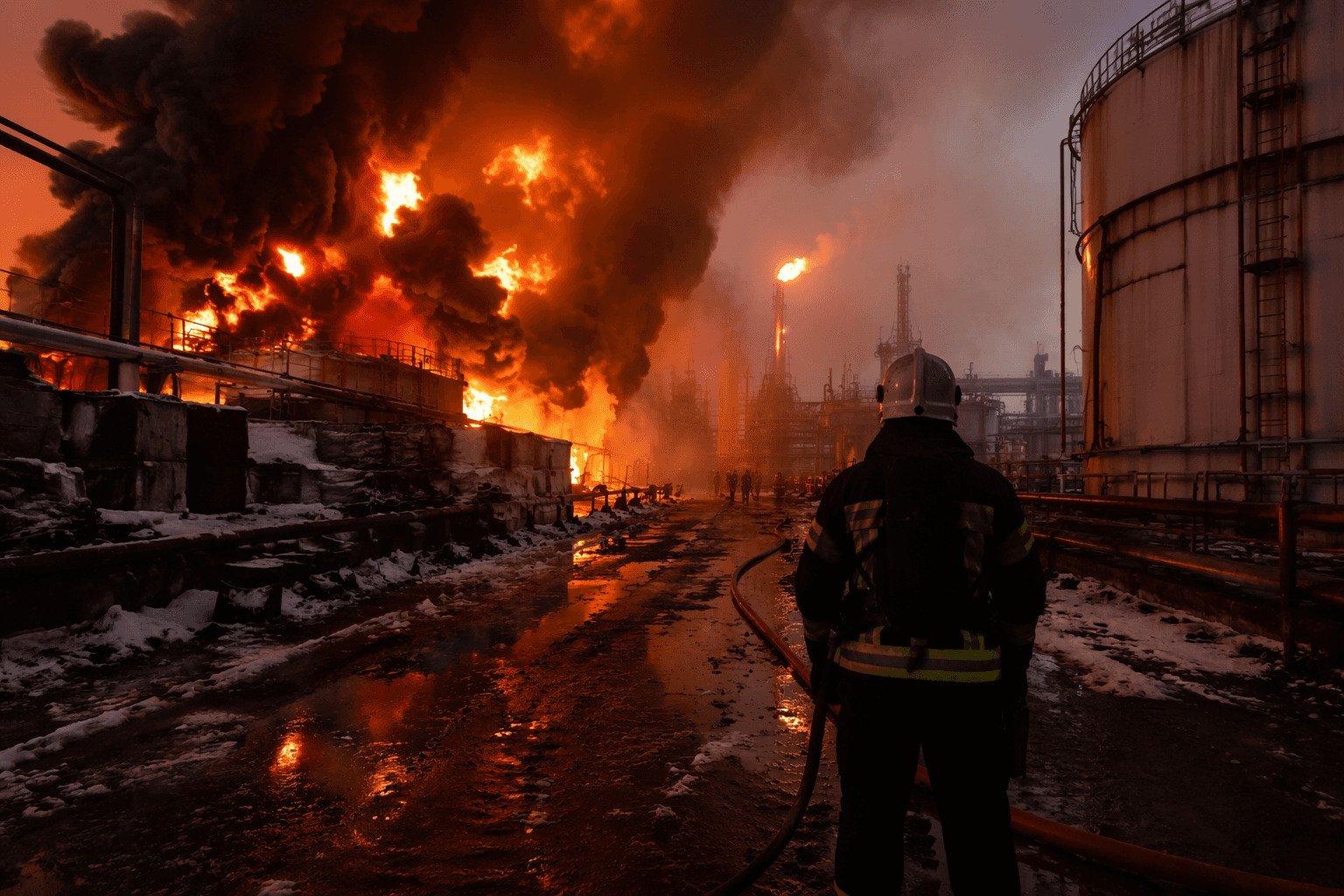
That shift became visible early in 2025. Analysts described the first two months of the year as the start of a systematic phase of strategic drone and missile strikes deep inside Russia. One of the most dramatic blows came on June 1, 2025, when the Security Service of Ukraine said Operation Spiderweb hit more than 40 Russian aircraft at air bases far from the border.
The economic logic is straightforward: Ukraine is trying to disrupt fuel supplies to Russia’s military while also reducing export revenues that help finance the Kremlin’s war effort. Damage to refineries and pumping stations can tighten domestic fuel markets, complicate transport and logistics, and add pressure to an economy already carrying the cost of a long war.
The political goal is just as clear. Sky News said the growing audacity of the attacks was challenging Putin’s claim that Russia was winning a war now in its fifth year. For Kyiv, the message is that the war is not confined to Ukraine and that Russia’s energy sector, long central to state revenue and military endurance, is now part of the battlefield.
The question is whether that pressure is enough to change Kremlin decision-making. BBC Monitoring said Russia occupied 3,891 square kilometers of Ukrainian land in January-November 2025, more than in the same period in 2024, but still less than 0.7% of Ukraine’s territory. That slow battlefield progress helps explain why Ukraine is trying to shift costs onto Russia itself.
The campaign has also carried spillover risk. Russian electronic warfare has reportedly redirected some Ukrainian drones toward the Baltic states and Finland, creating a security problem for NATO neighbors as the long-range strikes deepen. The test now is whether damaged refineries, fuel shortages and disrupted military logistics can alter Putin’s calculations before Moscow absorbs the pain.
This article was produced by Prism’s automated news system from verified source data, official records, and press releases, then run through automated quality and moderation checks before publishing. The system is built and supervised by the people who set the standards it runs under. Read our full AI policy.
Did this article answer your question?