UN Reports Hundreds Killed as Israeli Airstrikes Devastate Lebanon, Overwhelm Hospitals
At least 200 people were killed and 1,000 injured across Lebanon on April 9 as Israeli airstrikes struck Beirut and beyond, just hours after a US-Iran ceasefire was announced.
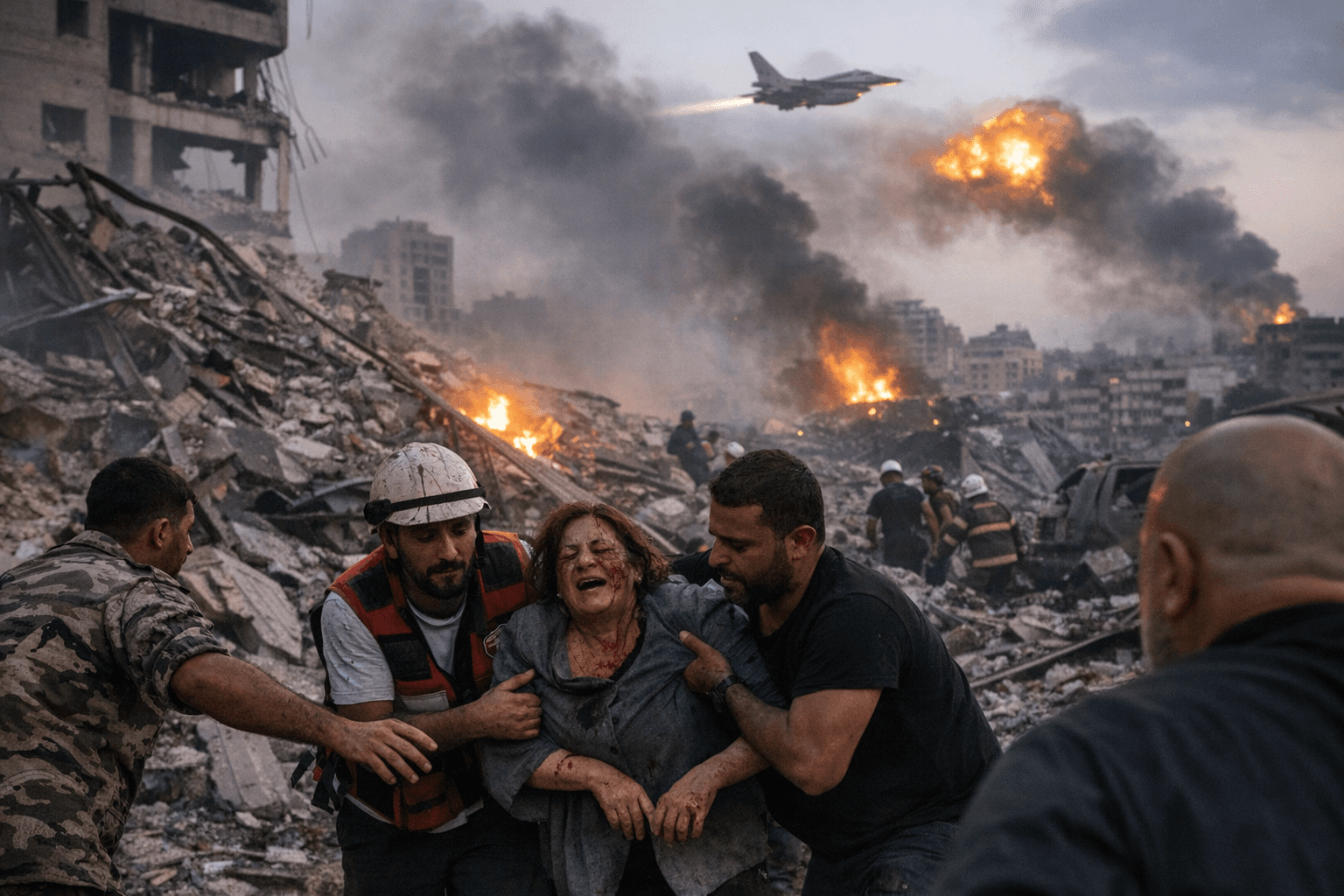
At least 200 people were killed and more than 1,000 injured across Lebanon on April 9 as Israeli airstrikes swept through Beirut, the Beqaa Valley, Mount Lebanon, Sidon and dozens of southern villages, according to preliminary figures from Lebanese health authorities and civil defense services cited by the United Nations. Some Lebanese agencies placed the death toll even higher as search-and-rescue teams continued pulling survivors and bodies from collapsed buildings.
The strikes struck civilian infrastructure with particular severity, and WHO representative in Lebanon Dr. Abdinasir Abubakar described for UN reporters the scale of casualties and the ongoing search for people still trapped beneath rubble. Healthcare workers and first responders were among those confirmed dead, a loss that compounded the pressure on an already fractured medical system. The UN counted more than 100 attacks on health facilities since the broader regional conflict began, leaving hospitals across Lebanon with critical shortfalls in surgical capacity, intensive care beds and emergency supplies.
The timing of the strikes deepened the diplomatic confusion surrounding a ceasefire framework announced between the United States and Iran just hours earlier. UN officials noted contesting accounts about whether Lebanon had been included in the ceasefire terms, a dispute that mediators in Islamabad and other venues were urgently working to resolve. The escalation laid bare how fragile any localized truce remains when multiple armed fronts are active simultaneously.
UN Secretary-General António Guterres reiterated calls for an immediate cessation of hostilities and urged all parties to return to diplomatic channels. His appeal came as WHO's interim assessments put the total death toll across the broader regional conflict at more than 1,500 since late February, with nearly 5,000 injured, figures the UN characterized as signaling a humanitarian emergency requiring scaled international assistance.
The humanitarian architecture supporting the region is already strained. More than a million refugees in neighboring countries face deteriorating conditions, and the UN warned that funding shortfalls and logistical bottlenecks are threatening relief operations. Relief agencies and diplomats were explicit that without durable de-escalation and guaranteed humanitarian access, civilian suffering will accelerate rapidly.
Lebanon's hospitals now face the sharpest test of that warning. Without a political settlement that holds and donor governments closing widening funding gaps, the public health consequences of April 9 will extend well beyond the immediate death toll.
This article was produced by Prism’s automated news system from verified source data, official records, and press releases, then run through automated quality and moderation checks before publishing. The system is built and supervised by the people who set the standards it runs under. Read our full AI policy.
Did this article answer your question?


