UN says global cocaine output hits record amid synthetic drug surge
Cocaine output hit about 4,100 metric tons in 2024, and UNODC counted 755 new psychoactive substances in circulation as synthetic drugs spread.

Global cocaine output reached about 4,100 metric tons of pure product in 2024, roughly four times higher than a decade ago and the highest on record, in the UNODC World Drug Report 2026 released in Vienna on June 26.
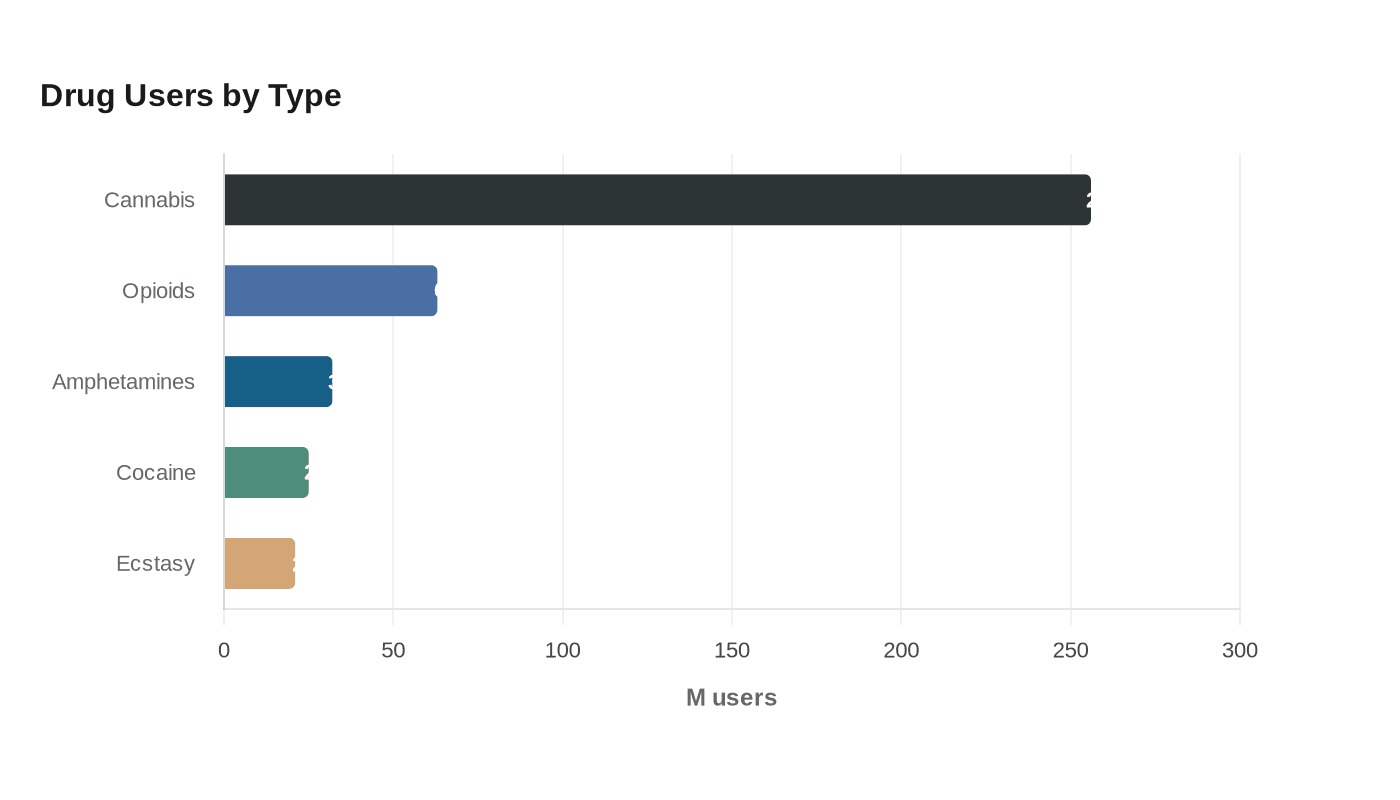
In the World Drug Report 2026, 331 million people used a drug in 2024, equal to 6.2% of the global population aged 15 to 64, up from 5.2% in 2014. Cannabis remained the most widely used drug, with 256 million users, followed by opioids at 63 million, amphetamines at 32 million, cocaine at 25 million and ecstasy at 21 million. Drug seizures in 2024 revealed five times more drug types than before 2000, while 755 new psychoactive substances were reported in circulation, including 118 reported for the first time.

Monica Juma, the UNODC executive director, warned of an “unprecedented spike” in new types of drugs on the market. Traffickers are exploiting technology and global instability to push into new markets, open new routes and test new products, making the illicit trade look more like a flexible global industry than a single-smuggling pipeline.
Afghanistan’s 2022 drug ban continues to severely constrain illicit opium and heroin production, even as Afghanistan produced more than 6,000 tons of opium in 2022. In Myanmar, production rose from 420 tons in 2021 to more than 1,000 tons in 2025. At the same time, fentanyls, nitazenes and orphines are becoming more available, and those synthetic alternatives may be replacing heroin in some markets.
Seizures indicate methamphetamine production is growing by about 13% a year, adding to pressure on border agencies and customs systems already stretched by a wider mix of stimulants, opioids and synthetic compounds. Cocaine’s growth is especially visible in Europe and other regions once less associated with the drug, a shift that raises treatment demands, overdose risks and enforcement burdens far from the main production zones.
This article was produced by Prism’s automated news system from verified source data, official records, and press releases, then run through automated quality and moderation checks before publishing. The system is built and supervised by the people who set the standards it runs under. Read our full AI policy.
Did this article answer your question?