UN seeks $331.5 million more as Lebanon crisis deepens
Lebanon’s UN appeal rose to $639.9 million as fighting displaced nearly 1 million people and left hospitals, schools and water sites in ruins.

The United Nations asked for another $331.5 million for Lebanon, a fresh plea that underscored how quickly the country’s humanitarian crisis was worsening while global attention struggled to keep pace. The revised appeal now stood at about $639.9 million to help 1.4 million people, after only part of the earlier funding had been received.
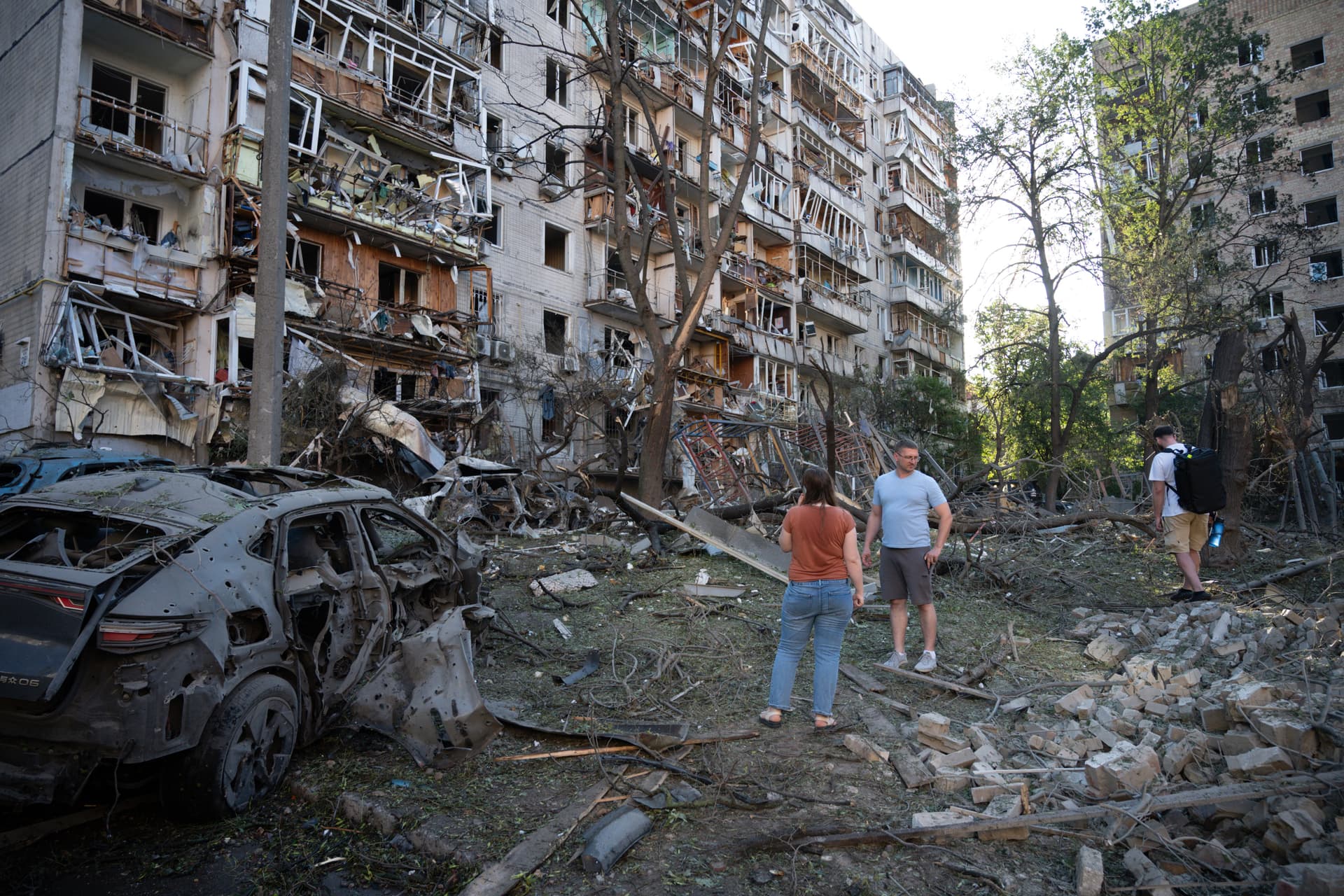
From Beirut, UN humanitarian coordinator Imran Riza said needs were rising with each day of the conflict and that the response was far from over. The scale of destruction he described went well beyond front-line damage: hospitals and clinics had been struck by airstrikes, government buildings destroyed, agricultural land scorched, water stations demolished and schools converted into displacement sites.
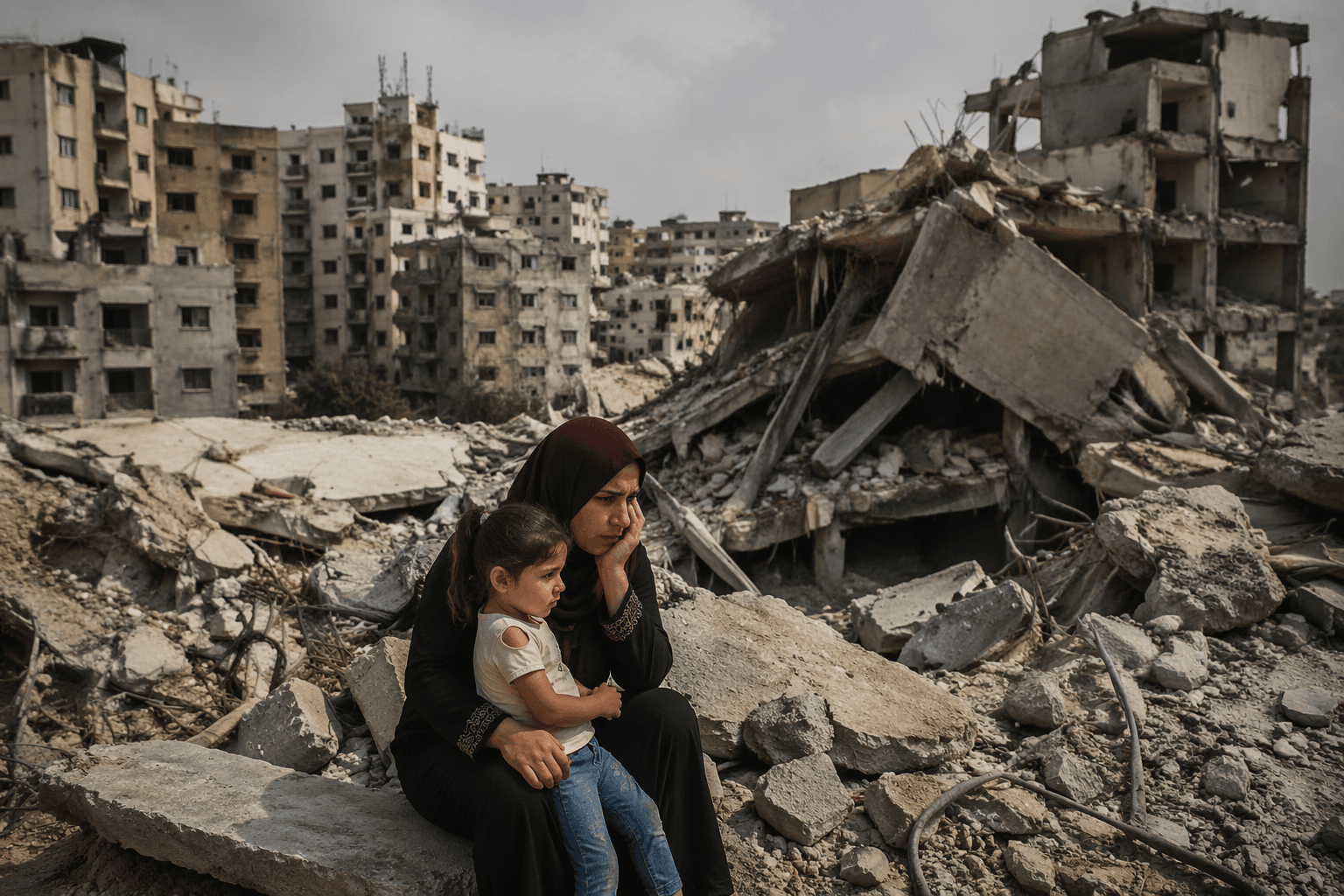
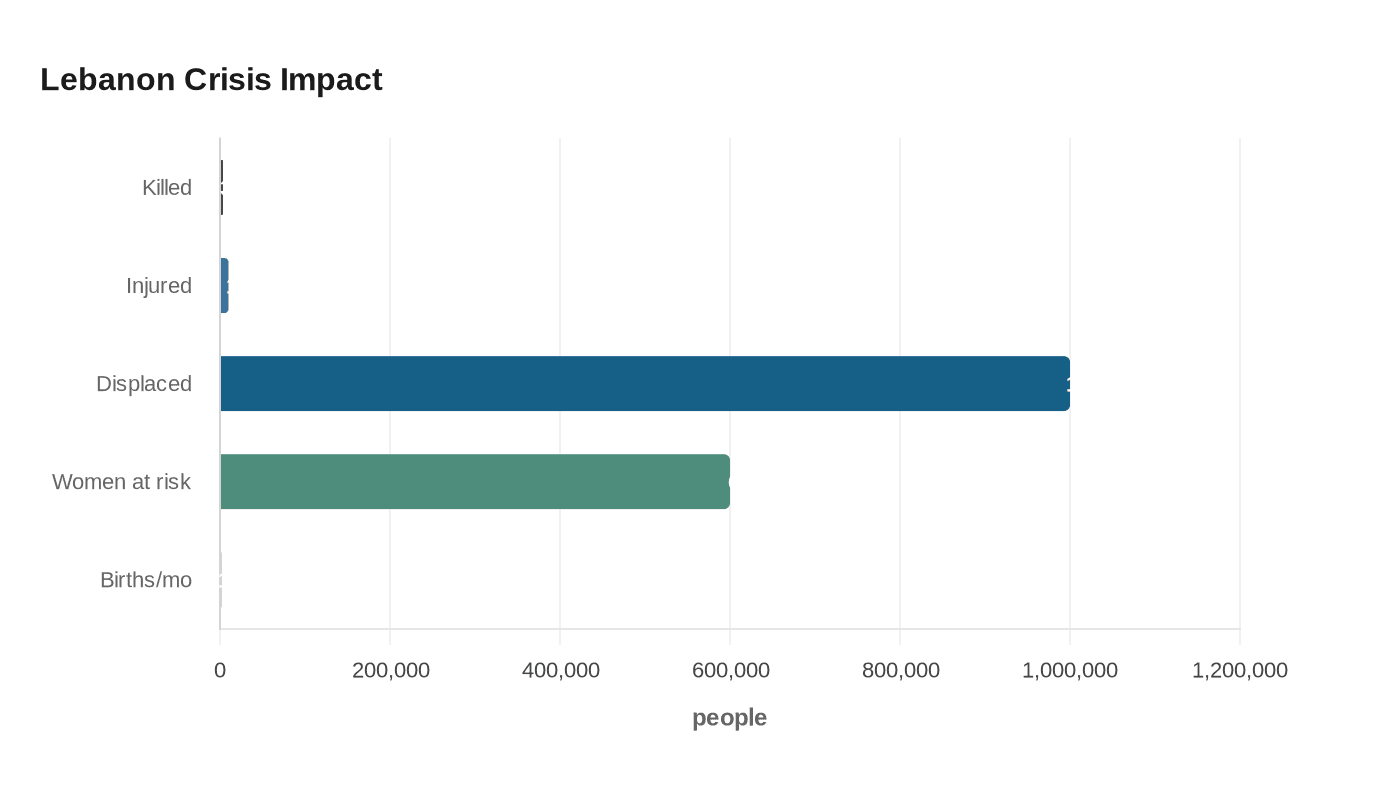
The human toll was mounting just as the aid system was becoming harder to deliver. Since the latest escalation, more than 3,500 people had been killed and more than 10,000 injured, according to the UN’s update. Nearly one million people remained displaced, a figure that captures how repeatedly families have been forced to move as hostilities between Hezbollah fighters and Israeli forces dragged on for months.
The appeal was also a warning about what happens when displacement becomes prolonged. UNFPA deputy executive director Andrew Saberton said mass flight was especially dangerous for women and girls, since overcrowded shelters often lacked privacy, sanitation and protection. The agency estimated that more than 600,000 women and girls were at risk of gender-based violence, while about 1,800 women were expected to give birth every month across Lebanon even as health services came under pressure or closed altogether.
The money now being sought was intended to keep the basics functioning: food, medical care, shelter and protection services for communities already battered by destruction and uncertainty. The broader message from the UN was blunt. Lebanon’s crisis was no longer only about emergency relief after isolated attacks; it had become a test of whether international donors would keep pace with a humanitarian emergency that was spreading, deepening and becoming more expensive to ignore.
This article was produced by Prism’s automated news system from verified source data, official records, and press releases, then run through automated quality and moderation checks before publishing. The system is built and supervised by the people who set the standards it runs under. Read our full AI policy.
Did this article answer your question?