UN urges Taliban to stop detaining women over dress rules
Taliban morality police detained at least 21 women and girls in Herat, as the UN said dress rules were turning into street-level punishment across western Afghanistan.

The United Nations mission in Afghanistan called on Taliban authorities to stop arresting and detaining women over alleged dress-code violations after reports that at least 21 women and girls were taken in Herat province in the past week. UNAMA said the detentions raised serious human-rights concerns and urged the Taliban to treat all people equally.
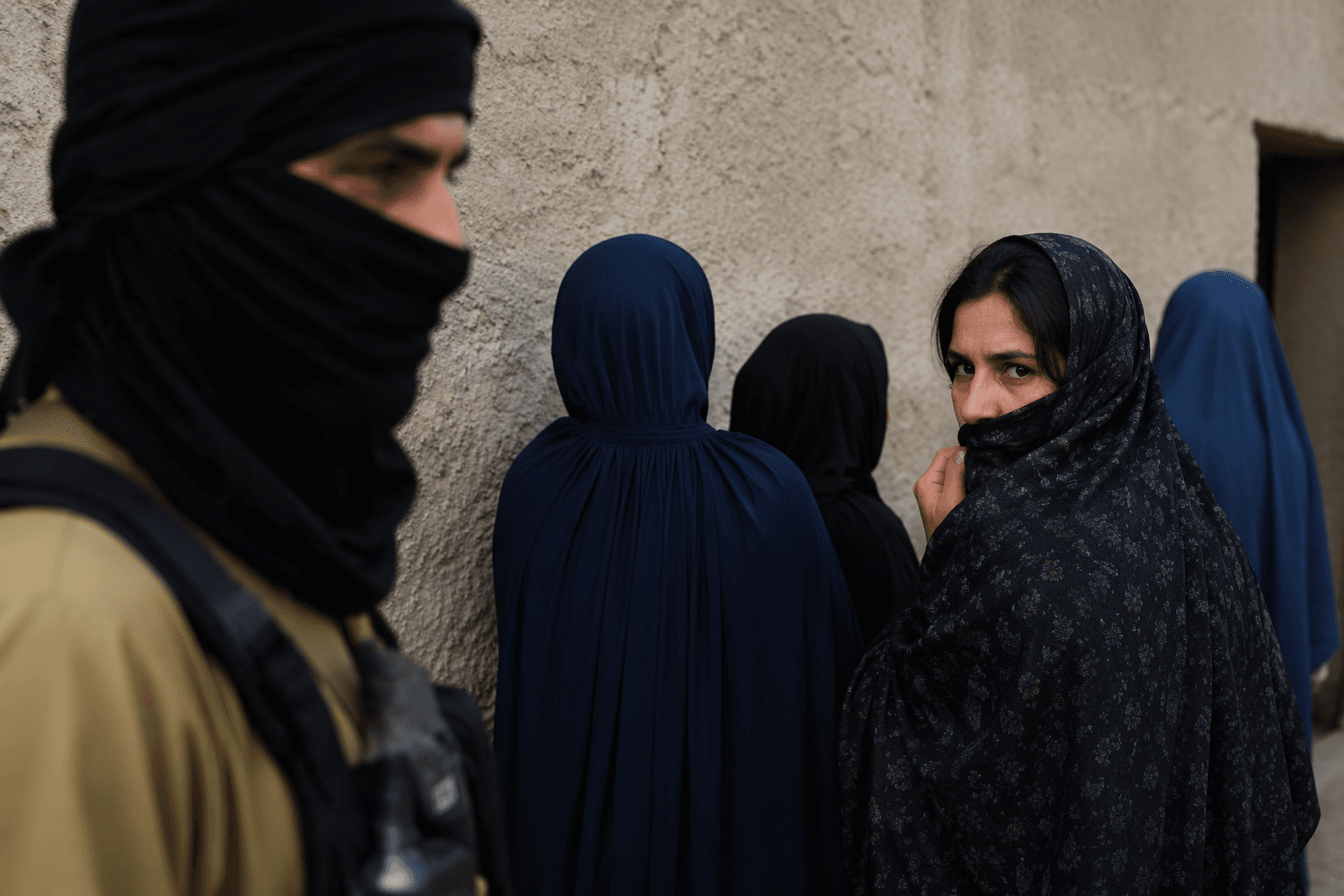
The crackdown has pushed dress enforcement into daily life in western Afghanistan. Residents in Herat said morality police were stopping women in the street, checking clothing and taking some away, while public transport drivers were told not to carry women unless they complied with the rules. Local reporting said the women detained included pregnant women, nurses and underage girls, with arrests reported in central Herat, Jibrael district, the southern road, Almas Market and the Qasr area.
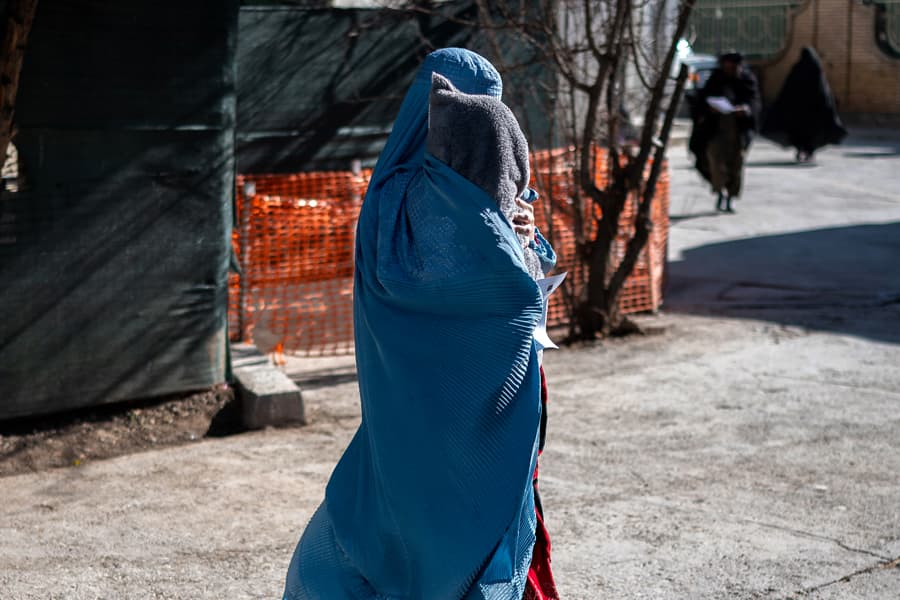
UNAMA has documented a similar pattern before. In May 2025, inspectors in Herat began requiring women to wear the chador, and between May 8 and May 30 dozens of women who were not wearing one were barred from markets and public transport. Several were detained until relatives brought them a chador. Later UN reporting said the rule had hardened in practice, with women without chadors kept from buses, clinics, hospitals, offices and other public places.
The enforcement is backed by a wider Taliban policing system. The law on propagation of virtue and prevention of vice was promulgated on Aug. 21, 2024, and UN reporting said the Ministry for the Propagation of Virtue and Prevention of Vice had 3,300 inspectors in 28 provinces using compliance monitoring, outreach and detention. UN experts warned in February 2024 that scores of women and girls had already been arbitrarily detained and subjected to ill-treatment over the dress code.
The latest Herat arrests fit a broader deterioration in rights for Afghan women and girls. In March 2026, the Office of the United Nations High Commissioner for Human Rights said Afghanistan’s human-rights situation continued to deteriorate dramatically, with women and girls systematically excluded from public life. UNAMA’s mandate was extended until June 17, 2026, giving the mission a continuing role in confronting abuses that have moved from decree to detention on the streets of Herat.
This article was produced by Prism’s automated news system from verified source data, official records, and press releases, then run through automated quality and moderation checks before publishing. The system is built and supervised by the people who set the standards it runs under. Read our full AI policy.
Know something we missed? Have a correction or additional information?
Submit a Tip