UN voices grave concern over Taliban law on child marriage in Afghanistan
A Taliban decree can treat a pubescent girl’s silence as consent to marriage, deepening fears that child marriage and forced unions will be harder to challenge.
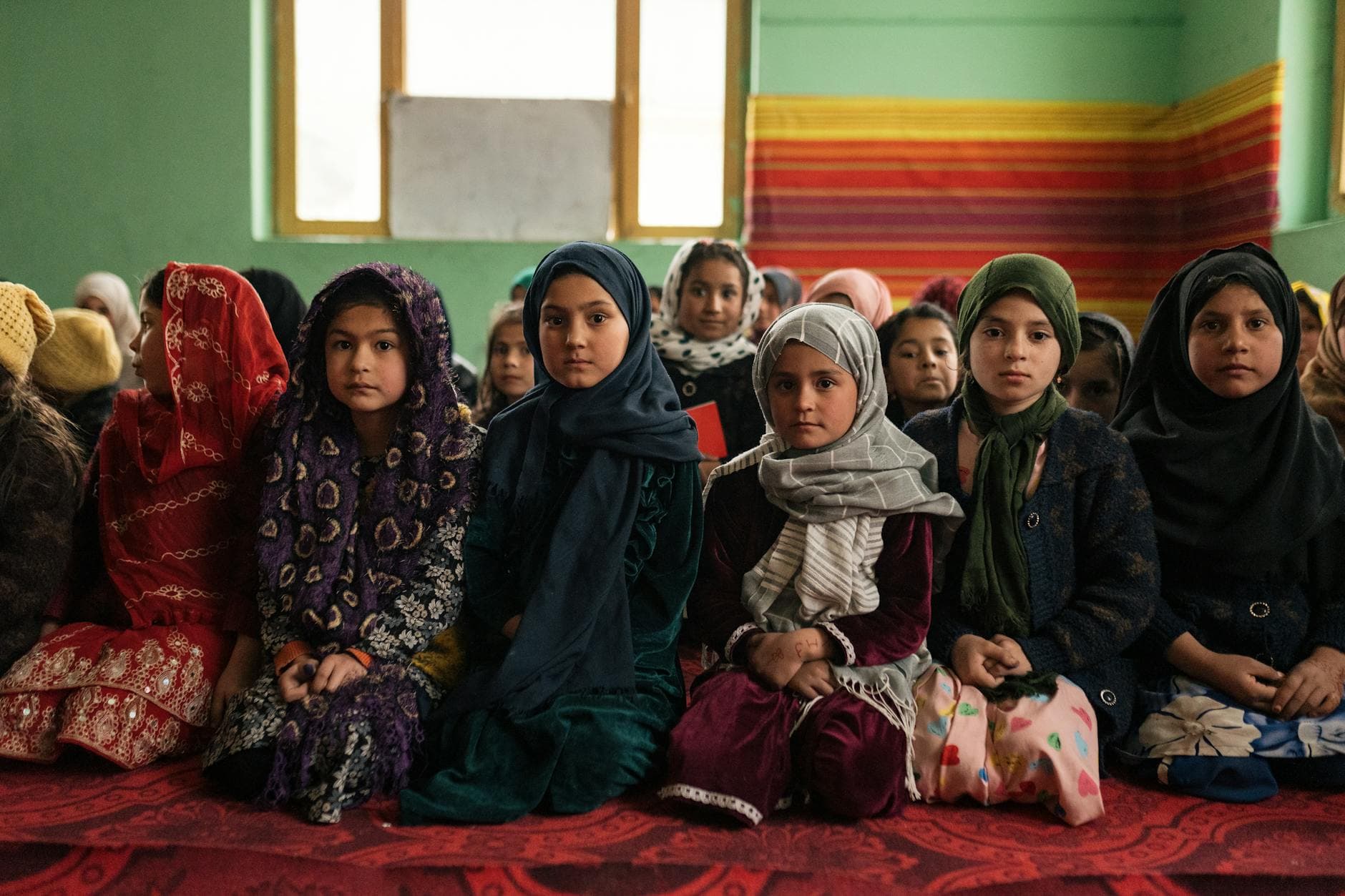
A Taliban decree that can treat a pubescent girl’s silence as consent to marriage drew fresh alarm from the United Nations, which said the rule could further erode girls’ autonomy and make it harder to contest forced unions in Afghanistan. The warning landed in a country where child marriage remains widespread and legal protections for women and girls have been steadily narrowed since the Taliban returned to power in 2021.
Afghanistan’s justice ministry published Decree No. 18, on judicial separation of spouses, last week. One of its most controversial provisions says a girl who has reached puberty may be presumed to agree to marriage if she does not speak up. The Taliban government rejected the criticism, saying the decree follows Islamic law and insisting that Afghanistan has already banned the forced marriage of girls. Rights advocates and UN officials say that position does little to answer the practical question of consent in a system where girls already face heavy pressure from families, local power brokers and the state.
The law sits inside the Taliban’s broader Law on the Promotion of Virtue and the Prevention of Vice, published on 21 August 2024. A UN Special Rapporteur report in February 2025 said that law codified and consolidated discriminatory decrees imposed since 2021, and described Afghanistan as the epicentre of institutionalized gender-based discrimination amounting to crimes against humanity, including gender persecution. UNAMA said in April 2025 that enforcement had become more systematic, with implementation committees in 28 of Afghanistan’s 34 provinces and about 3,300 inspectors. That enforcement structure gives the Taliban real leverage inside the country, while international condemnation increasingly looks symbolic.
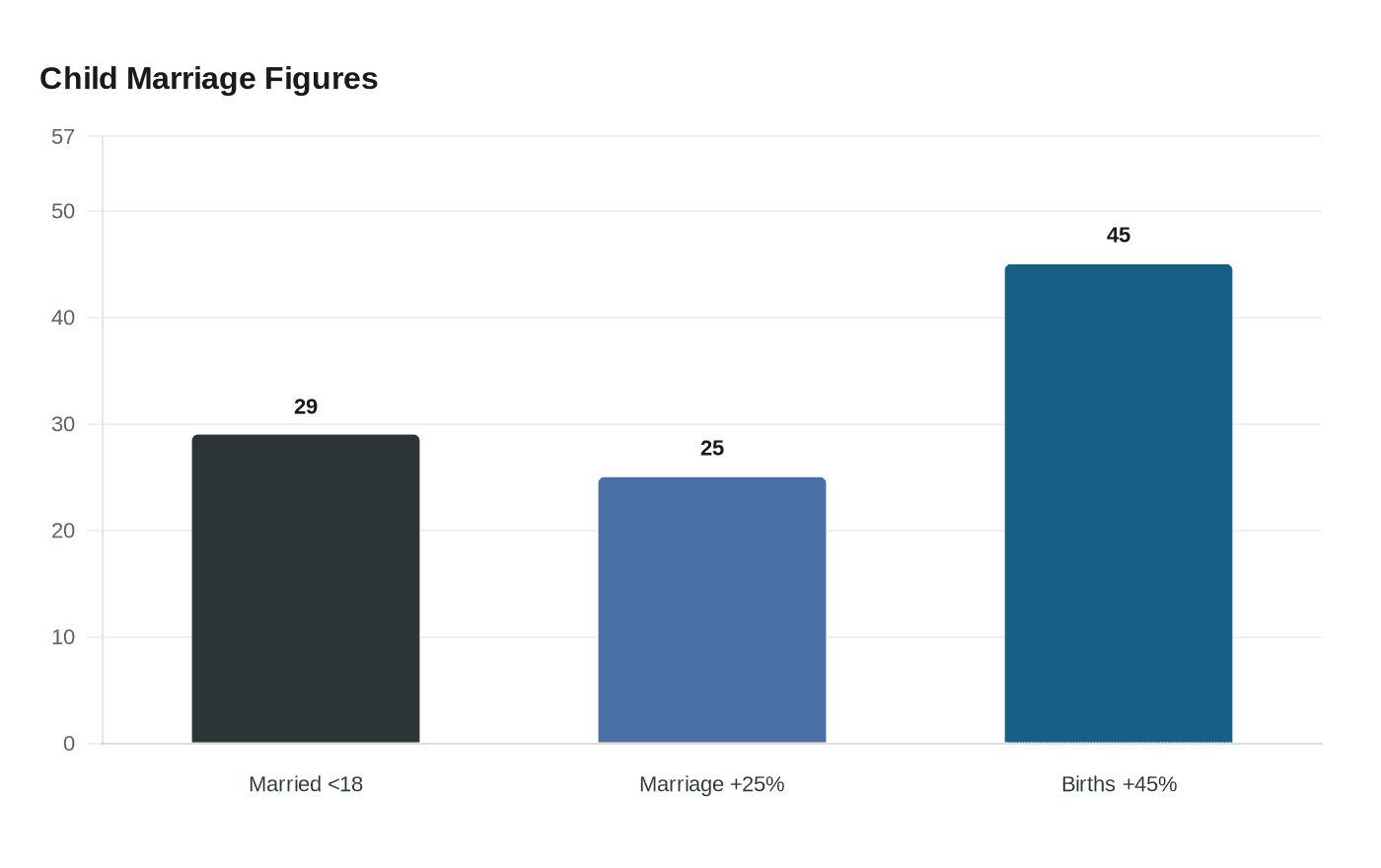
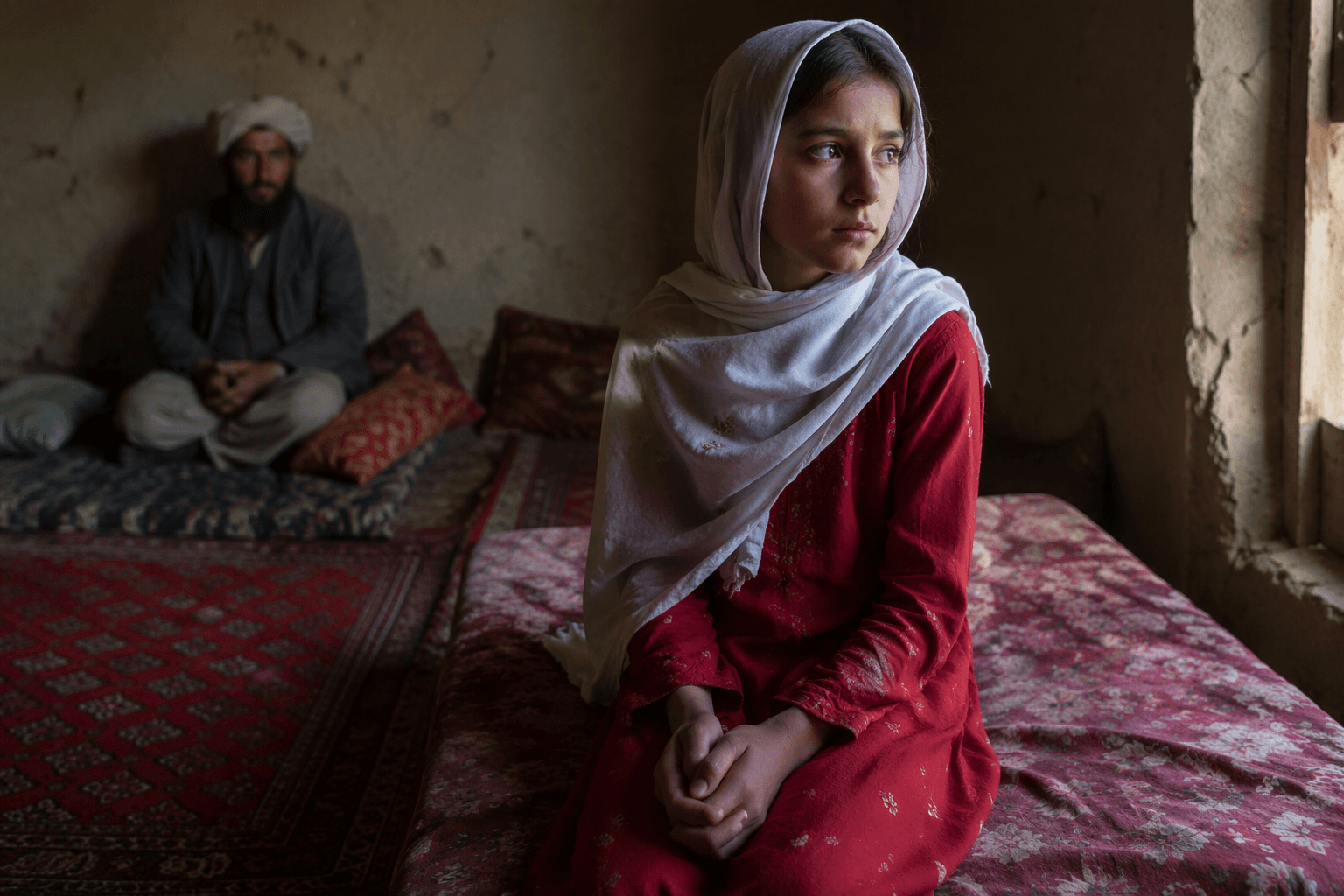
The child marriage figures show why the new decree alarmed rights defenders. UNICEF data show that 29% of Afghan women aged 20 to 24 were married before age 18 in 2023, and an estimated 4.0 million girls and women have been married before that age. The practice is especially common in Ghor, Farah, Nimroz and Faryab. UNICEF-linked reporting has also tied the Taliban’s ban on girls’ education to a 25% rise in child marriage and a 45% increase in childbearing, suggesting that one restriction has reinforced another.
The United Nations has condemned Taliban restrictions on women and girls repeatedly since 2021, warning that access to education, work, travel, health care and public life has been sharply reduced. But the latest decree underlines the limits of outside pressure. The Taliban has already shown it is willing to absorb global outrage, and its own inspectors and provincial committees give it the means to enforce domestic policy regardless of international objection.
This article was produced by Prism’s automated news system from verified source data, official records, and press releases, then run through automated quality and moderation checks before publishing. The system is built and supervised by the people who set the standards it runs under. Read our full AI policy.
Did this article answer your question?