UN warns Congo Ebola outbreak could cost Africa $3.6 billion
Nearly one million more people could fall into poverty if Congo's Ebola outbreak spreads, and Africa's bill could reach $3.6 billion.
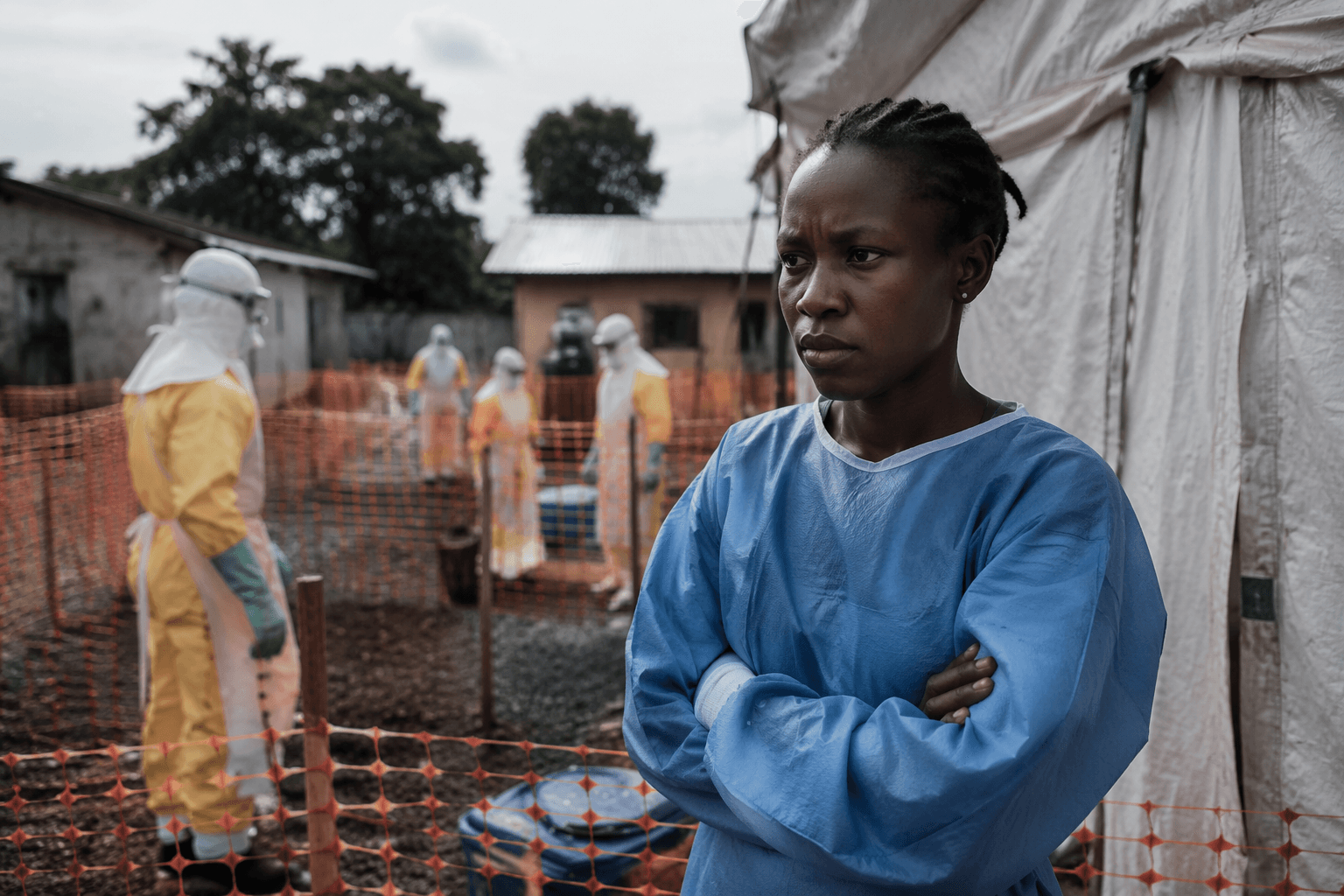
The Congo Ebola outbreak could push nearly one million more people into poverty and cost Africa as much as $3.6 billion if containment falters, with the worst-case UNDP scenario putting 328,000 jobs at risk. The epicenter in Ituri is also a major cross-border trade hub with Uganda.
WHO first flagged the outbreak on May 5 in Mongbwalu Health Zone, Ituri Province, after deaths among health workers. Laboratory tests on May 14 and 15 confirmed Bundibugyo virus disease in eight of 13 samples from Rwampara Health Zone, and the Democratic Republic of Congo declared its 17th Ebola outbreak on May 15, the same day Uganda confirmed an imported case in Kampala. WHO says Bundibugyo virus disease has no licensed vaccine or specific therapeutics, though early supportive care can save lives.
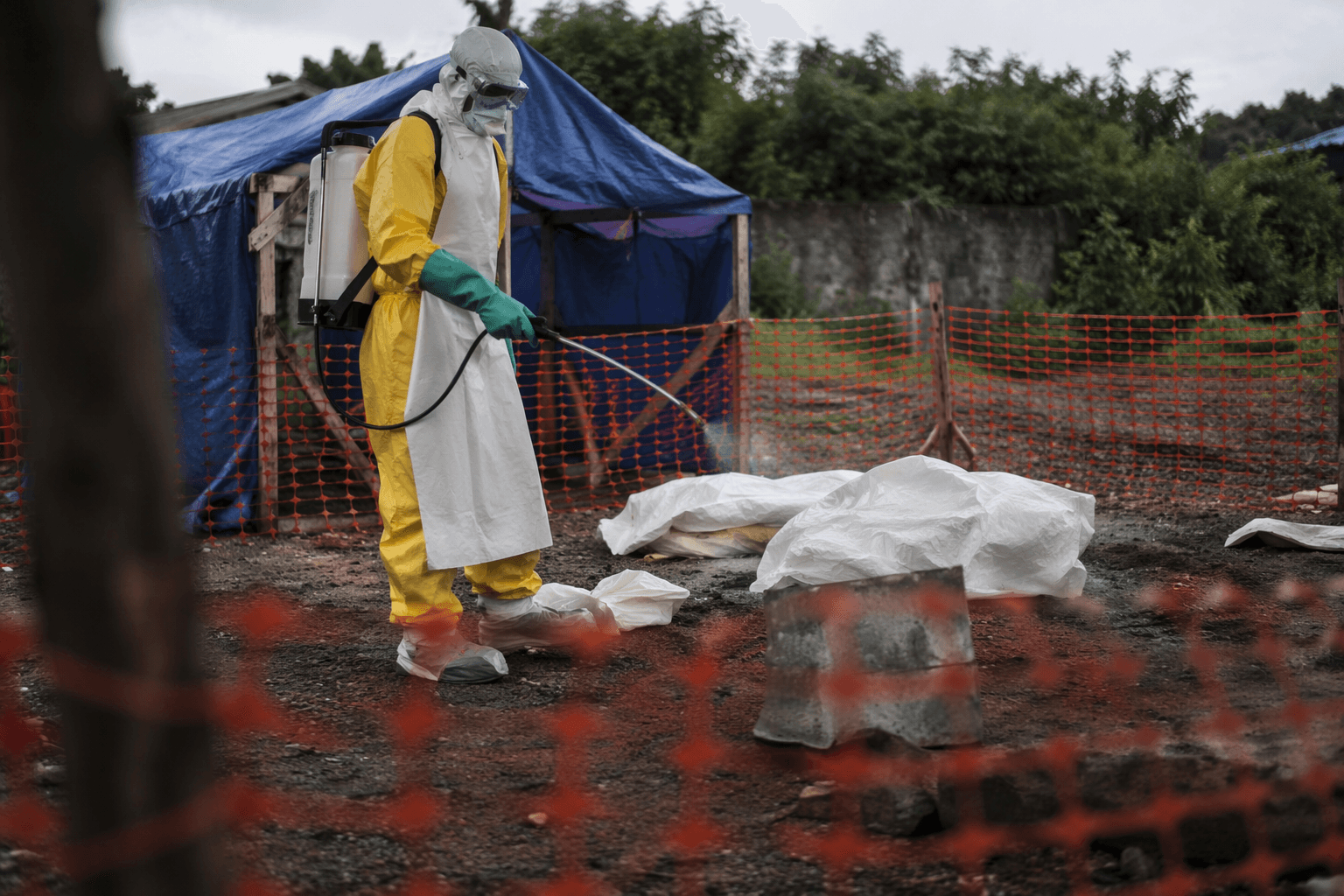
By June 27, Congo’s health ministry had confirmed 1,274 cases and 360 deaths, while the government put the tally at 1,307 infections and 377 deaths since the outbreak was declared. The outbreak has spread to North Kivu and South Kivu, and CDC advises avoiding nonessential travel to Ituri, North Kivu and South Kivu. The virus could move into South Sudan as well.
Africa CDC and WHO launched a six-month continental plan on June 5 to raise $518 million for surveillance, lab testing, infection control, clinical care, community engagement, logistics and support for essential health services. High mobility linked to mining, displacement and weak access conditions is accelerating the outbreak. In the best case, UNDP says Congo would still lose more than $1 billion in GDP and 55,000 jobs; in the worst, the virus could reach Rwanda and Angola, alongside higher fuel prices tied to the Iran crisis. Bundibugyo was first identified in Uganda in 2007 and returned in a 2012 Congo outbreak, and WHO says previous fatality rates ranged from 30% to 50%.
This article was produced by Prism’s automated news system from verified source data, official records, and press releases, then run through automated quality and moderation checks before publishing. The system is built and supervised by the people who set the standards it runs under. Read our full AI policy.
Did this article answer your question?