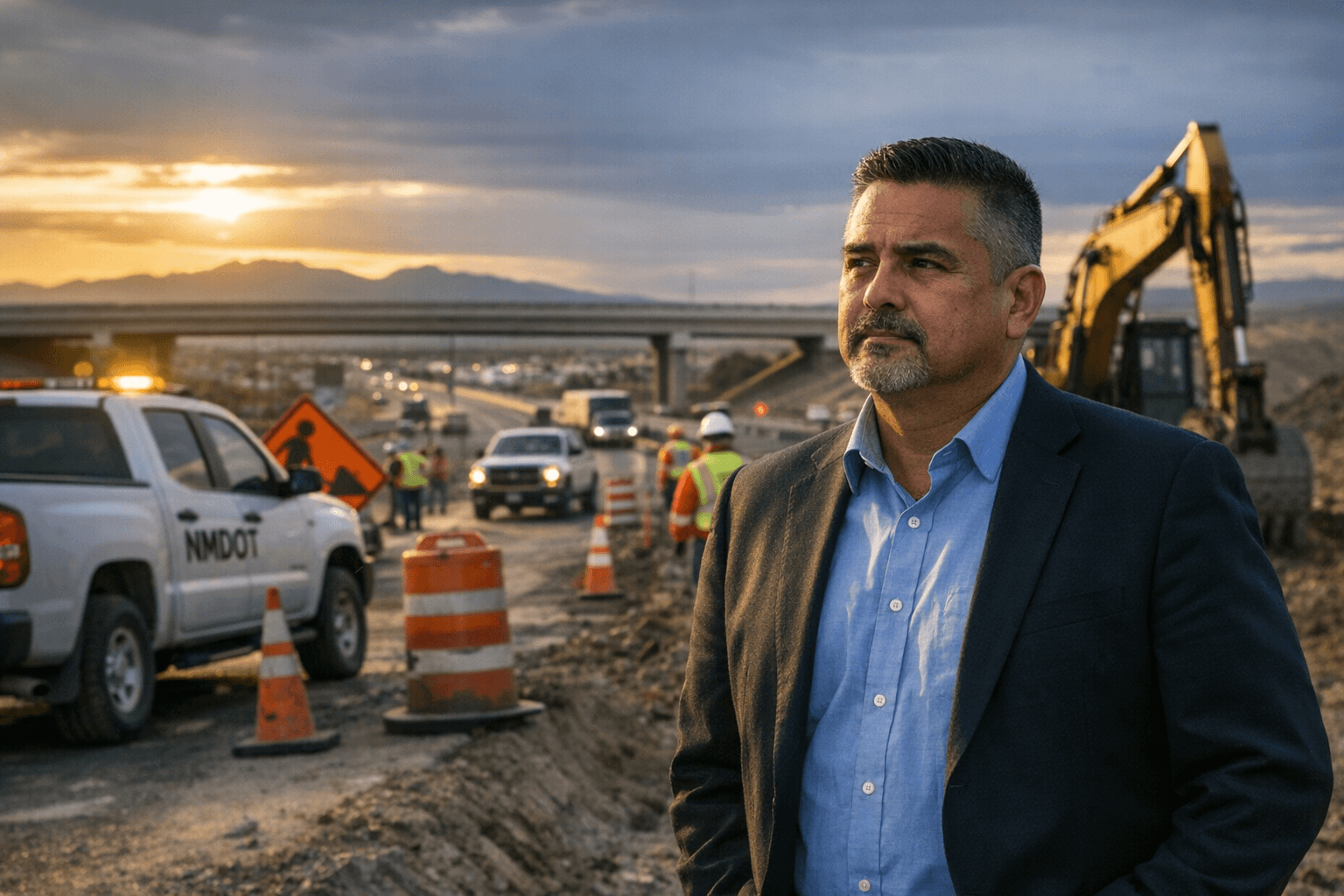
Unanimous House Passage of Victims Fund Bill Boosts Hidalgo County Services
House passes the Crime Victims Fund Stabilization Act unanimously, promising steadier federal support for Hidalgo County victim services and community recovery.
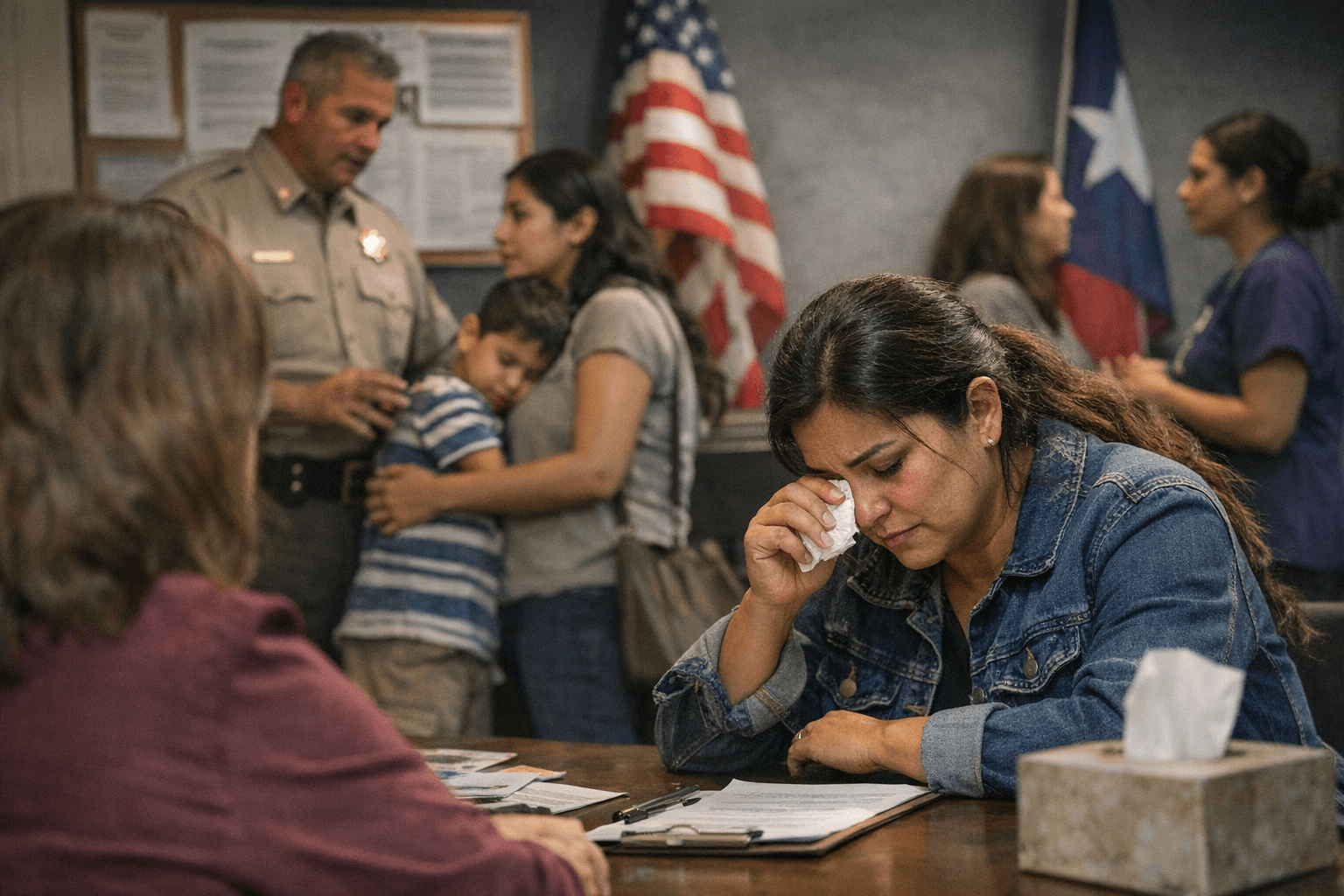
Congress moved this week to shore up federal support for victim services, a development that local providers and border communities in Hidalgo County say could help stabilize programs that assist survivors. The U.S. House unanimously passed the Crime Victims Fund Stabilization Act on January 12, 2026, and Rep. Gabe Vasquez announced the action on January 14, describing the bill as a bipartisan effort to ensure predictable federal funding for victim service providers across New Mexico.
Predictable reimbursements and steadier grant streams matter to small nonprofits and county units that respond to domestic violence, sexual assault, trafficking and other crimes. Hidalgo County’s service network operates on tight margins; when federal funding fluctuates, organizations must delay hiring, reduce outreach and scale back counseling and legal advocacy. Stabilization of the Crime Victims Fund would give these groups greater budget certainty and help maintain Spanish-language services and culturally competent care for binational families who live and work along the border.
Rep. Vasquez framed the legislation as part of broader advocacy to bolster public safety and community recovery. The House action reflects bipartisan support for smoothing the peaks and valleys that have complicated planning for victim assistance programs. For Hidalgo County, where resources are spread across sparsely populated communities in the bootheel and first responders often double as social service coordinators, that steadiness can mean continued 24-hour crisis response, survivor navigation and coordination with law enforcement.
The bill’s unanimous passage in the House is a procedural milestone; the measure must still move through the Senate and be signed by the president to take effect. If enacted, the change is likely to influence how federal reimbursements are timed and how grant programs budget for multi-year services in rural and border counties. Local providers can use that stability to pursue longer-term staffing, extend outreach into remote areas and sustain bilingual counseling and legal support that many Hidalgo residents rely on.
Local officials and service organizations have emphasized that federal dollars are only part of the community safety picture. County agencies, tribal partners and nonprofit leaders will still need to coordinate on intake, transportation and culturally informed outreach to ensure funds translate into services people can actually access. For Hidalgo County residents, the immediate takeaway is that Congress has signaled support for steadying a key funding source for victims - the next steps in Washington will determine when and how that support reaches local doorsteps.
Sources:
Know something we missed? Have a correction or additional information?
Submit a Tip