Unexpected Surge in Japanese Household Spending Signals Consumption Rebound
Japan’s Ministry of Internal Affairs and Communications reported a surprising 2.9% year‑on‑year rise in real household spending for November 2025, far outpacing economists’ forecasts and marking the strongest monthly gain since early 2021. The jump, concentrated in cars and communications, eases near‑term demand concerns but raises questions about sustainability given weak bonus-driven labour income.
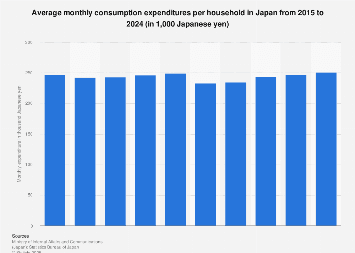
Japan’s household spending strengthened sharply in November 2025, the government reported Friday, delivering a surprise boost to policymakers and markets concerned about consumer demand. Real household spending rose 2.9% year‑on‑year in November, while seasonally adjusted spending jumped 6.2% month‑on‑month, the fastest monthly advance since March 2021, far ahead of economists who had expected roughly a 1% decline.
The ministry’s aggregate numbers point to concentrated gains rather than a broad‑based revival. Transport and communications outlays surged 20.4% year‑on‑year in November after a decline in October, and purchases of cars were singled out among the biggest contributors to the rise. Food spending also turned positive, increasing 0.9% from a year earlier after an October drop. Those sectoral patterns reflect heavier spending on durables and services closely tied to mobility and connectivity.
The timing matters politically. The spending uptick preceded a large fiscal stimulus package enacted in December 2025, providing a favorable backdrop for Prime Minister Sanae Takaichi as she sought to shore up growth. Economists and investors are likely to view November’s stronger readings as at least partial evidence that consumption can recover without relying solely on government support.
But the underlying income story tempers enthusiasm. Market monitors noted that real household spending has generally outpaced real cash labour earnings through much of 2025, and that divergence widened in November. The labour‑income release issued the day before the spending update showed a disappointing turn driven by a slump in bonuses, limiting immediate prospects for a sustained rise in purchasing power. That gap, stronger spending amid weaker measured income, raises the risk that the November surge reflects timing effects, one‑off durable purchases or shifting household portfolios rather than durable strength.

The Bank of Japan’s regional economic reports and commentary from BOJ policy teams, however, suggest a more optimistic medium‑term outlook on pay. Many branch managers reportedly expect sustained pay increases in 2026, with some indicating wage growth at levels similar to or higher than those seen in 2025. If realized, that labour momentum would make the consumption pickup more durable and reduce the odds that November represented a temporary blip.
Markets will watch December and early‑2026 consumption and wage prints closely. A repeat of large month‑on‑month gains would relieve short‑term doubts about the consumption cycle and could influence BOJ deliberations over policy normalization. Conversely, if spending cools while wages remain weak, policymakers may face renewed pressure to rely on fiscal measures to support demand.
Official ministry tables underpin the November datapoints, while market analyses provide the category breakdowns and labour‑income context. Some October series show differing outcomes in separate datasets, a quirk market watchers say reflects divergent seasonal adjustments or metrics; the November gains, however, are consistent across the authoritative releases and market trackers.
This article was produced by Prism’s automated news system from verified source data, official records, and press releases, then run through automated quality and moderation checks before publishing. The system is built and supervised by the people who set the standards it runs under. Read our full AI policy.
Did this article answer your question?