UNICEF warns climate hazards now threaten nearly every child worldwide
UNICEF said almost every child faced at least one climate hazard, and 242 million saw school disrupted in 2024 alone.
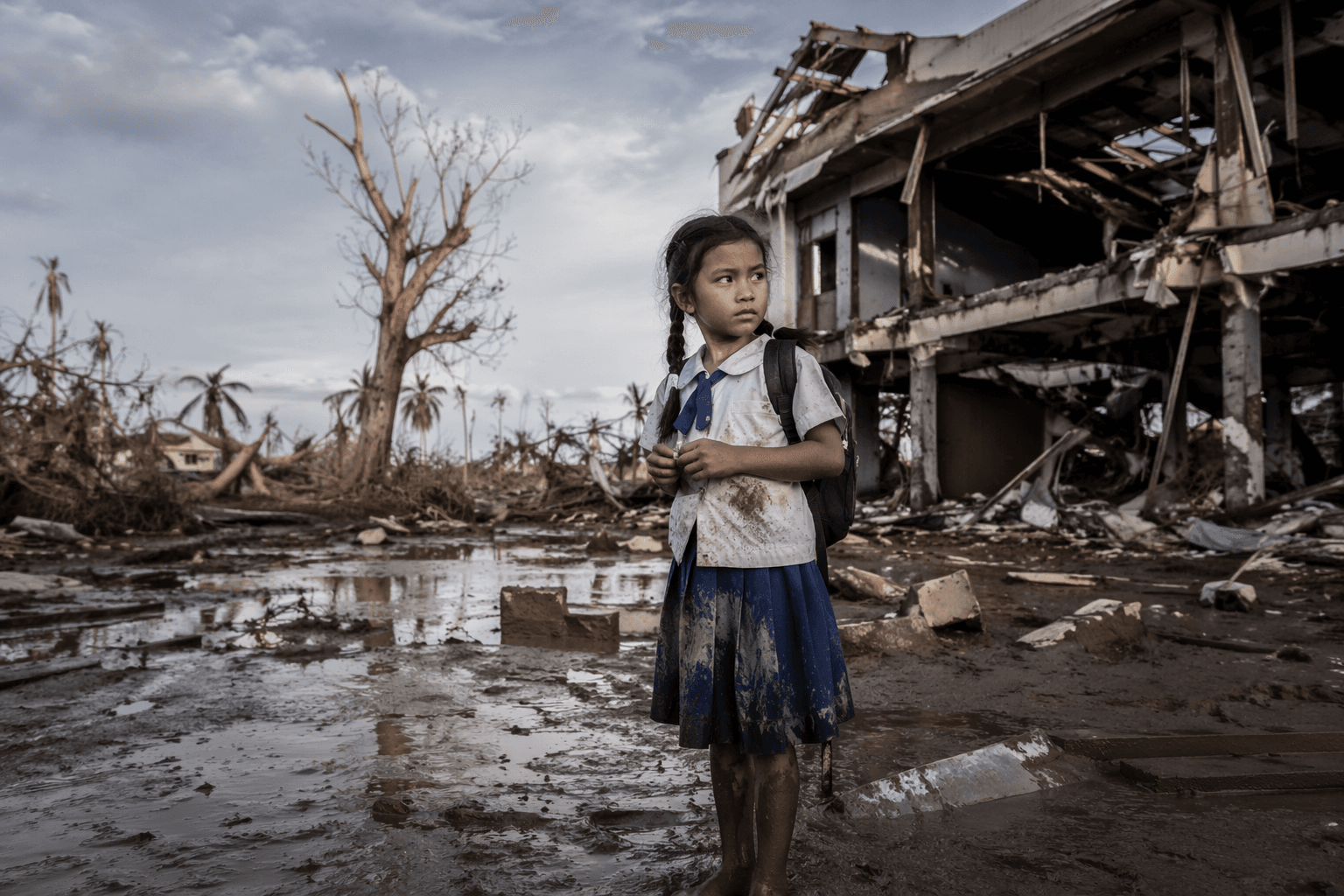
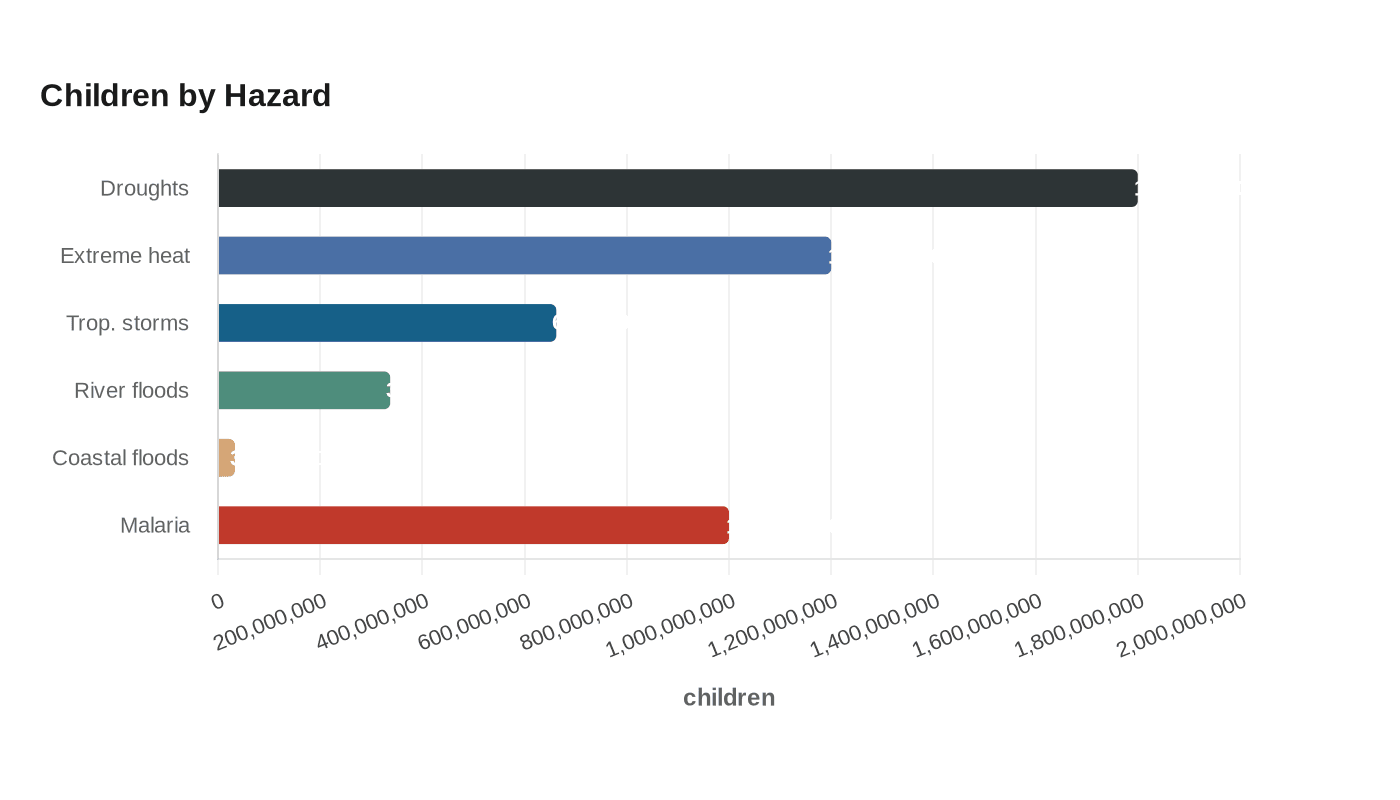
Almost every child in the world faced at least one climate hazard, and UNICEF said the danger had already become a child-welfare crisis, not a distant environmental warning. The agency said as many as 1.8 billion children were at risk from droughts, 1.2 billion from extreme heat, and 1.1 billion had already been exposed to at least three overlapping climate risks.
Those risks went far beyond heat and dry weather. UNICEF said 662 million children were exposed to tropical storms, 337 million to riverine floods and 33 million to coastal floods, while about 1 billion were also exposed to malaria, mostly in Africa. Rohini Sampoornam Swaminathan, a UNICEF statistics manager and one of the report’s authors, said the problem was not just one hazard at a time, but exposure to multiple threats at once, a combination that can strain schools, hospitals and social services at the same time.
The health stakes are especially severe for children, who are less physically resilient than adults and more dependent on public systems for clean water, routine care and emergency response. UNICEF said the result can be long-term harm from malnutrition, disease and interrupted schooling, turning climate shocks into a public-health emergency that reaches far beyond weather forecasts. The agency urged governments to move quickly on infrastructure, adaptation and disaster-management capacity.
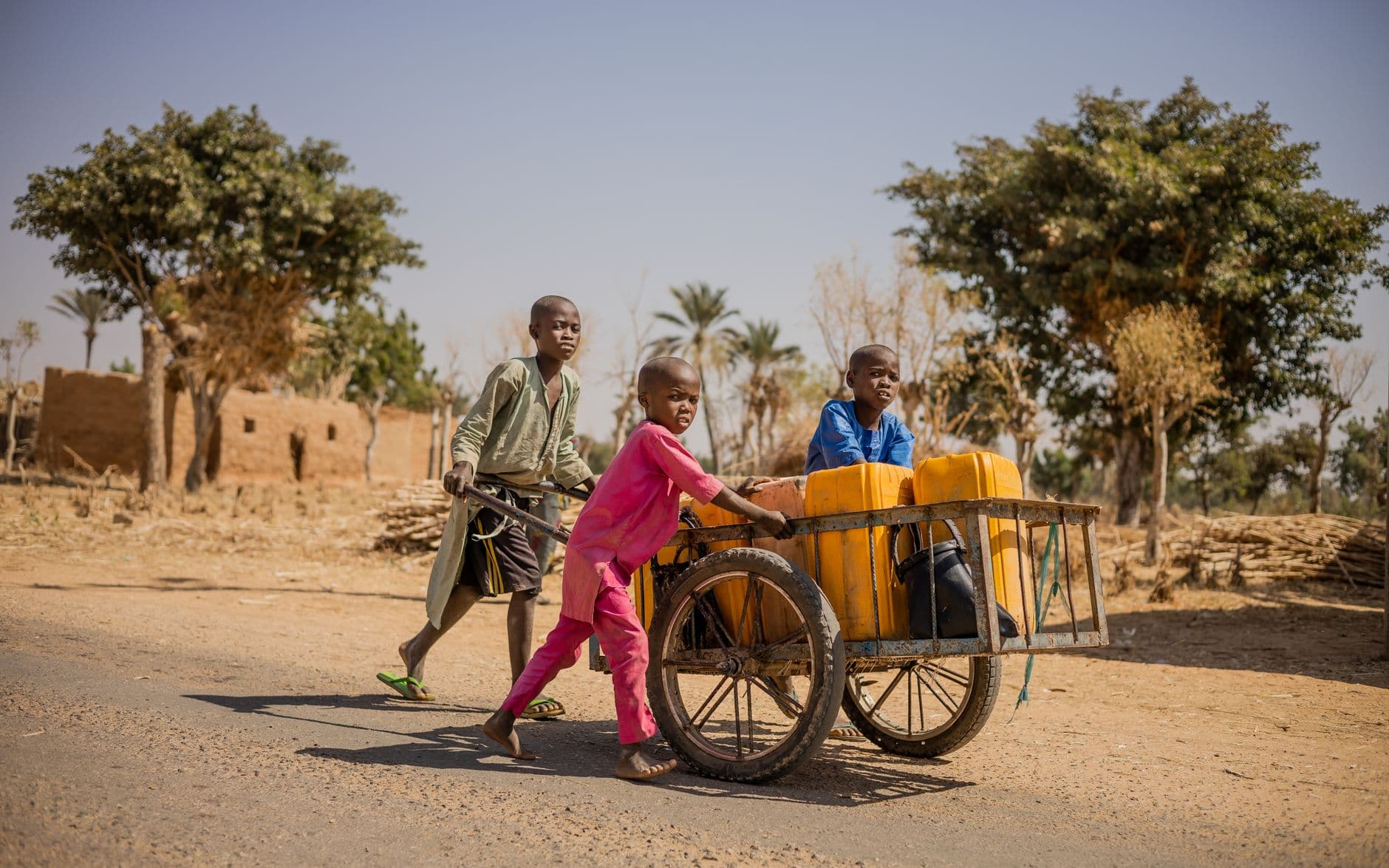
The report also showed how climate disruption was already affecting education. In 2024 alone, 242 million children in 85 countries saw their schooling disrupted by climate hazards, a toll that put classrooms, attendance and basic school readiness under immediate pressure. For families already living with weak water systems, limited healthcare and fragile local services, each storm, flood or heat wave can knock children further behind.
UNICEF identified Somalia, Madagascar, Myanmar, Cambodia and Pakistan as the most vulnerable countries. It also said drought exposure was especially severe in agriculture-dependent countries including Bangladesh, Indonesia, Nigeria, Pakistan and Tanzania, where crop losses and water stress can quickly spread into hunger, illness and school absences. The agency’s message to policymakers was blunt: climate adaptation is no longer only about cutting emissions, but about protecting children now, before more classrooms, clinics and communities are pushed past their limits.
This article was produced by Prism’s automated news system from verified source data, official records, and press releases, then run through automated quality and moderation checks before publishing. The system is built and supervised by the people who set the standards it runs under. Read our full AI policy.
Know something we missed? Have a correction or additional information?
Submit a Tip