Union voters could decide control of the House in 2026
Union voters are only 9.9% of U.S. workers, but they could swing 44 battleground House races as both parties court a bloc split between Harris and Trump.

Union voters may be small in number, but in a House election built on a narrow map, they are one of the few blocs that can still move several seats at once. Pew Research Center says 9.9% of U.S. workers belonged to a union in 2024, down from 20.1% in 1983, yet those voters remain heavily concentrated in the kinds of districts both parties need to win. Ballotpedia identified 44 of 435 House races as battlegrounds in 2026, a reminder that a few thousand union households in the right suburban, exurban or industrial district can matter more than national mood.
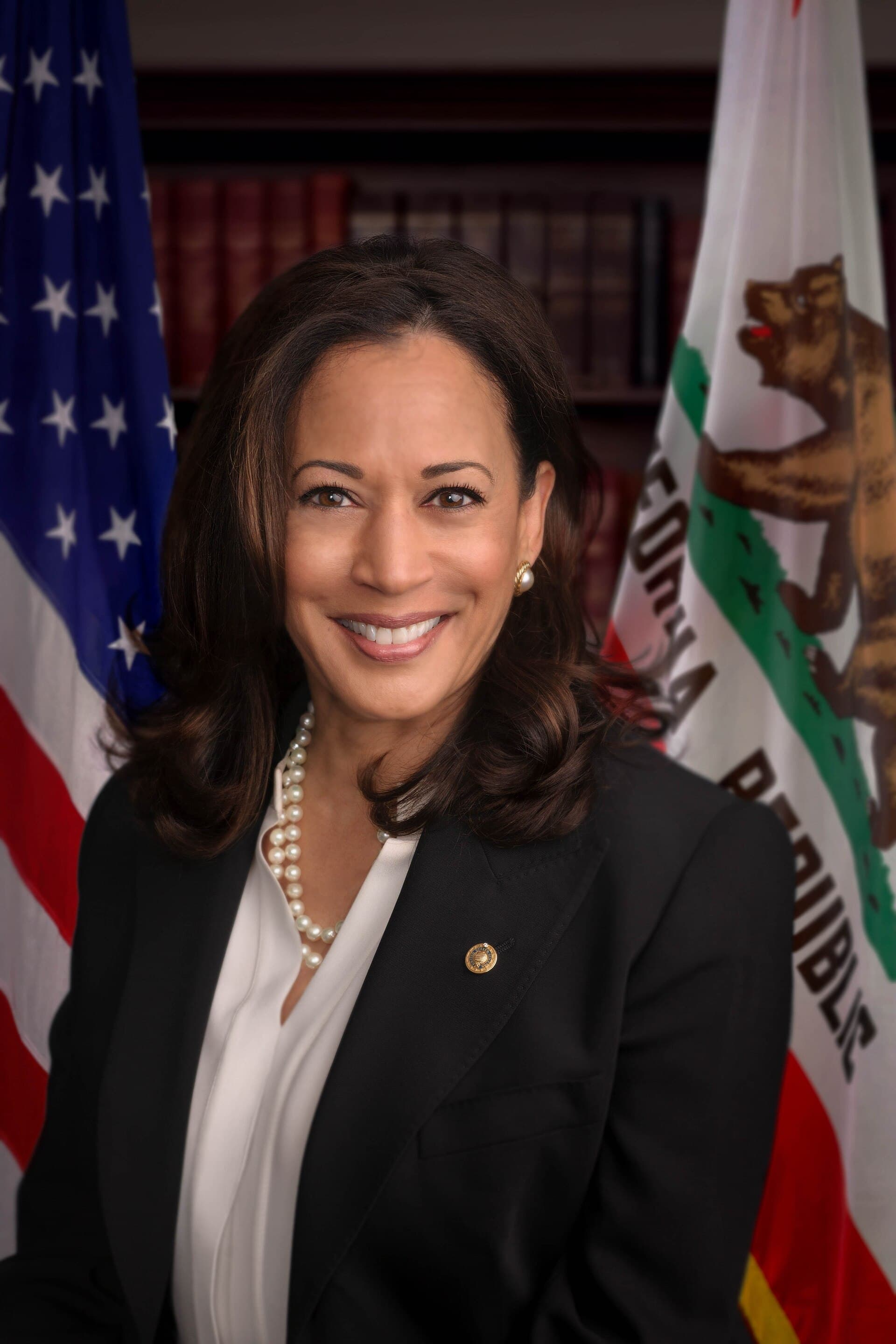
That influence comes with growing political estrangement. Pew found that about six-in-ten union voters identify with or lean Democratic, while about four-in-ten align with or lean Republican. But the split has become less predictable than party leaders would like. In AP and Fox News VoteCast analysis of the 2024 election, 57% of union members voted for Kamala Harris and 41% backed Donald Trump. A separate summary of swing-state exit polls found Harris at 53% among union-household voters and Trump at 45%. Union voters are still more Democratic than the electorate as a whole, but they are no longer a lock.
That drift helps explain why both parties keep fighting for a slice of labor even when union leaders lean blue. The AFL-CIO, whose Executive Council says it represents 60 unions and 12.5 million workers, unanimously endorsed Harris on July 22, 2024. But endorsement politics only go so far in districts where rank-and-file voters are weighing paychecks, tariffs, migration pressure and the strength of workplace rules. In many competitive House seats, those issues can outrank party loyalty, especially for workers who feel neither Democrats nor Republicans have delivered lasting gains on wages or job security.
The 2026 battlefield is also being reshaped by redistricting. NBC News reported that after 10 states enacted new congressional maps, Republicans were positioned to gain up to 16 seats while Democrats could gain up to six. That makes the union vote even more valuable, because a handful of marginals could decide which party controls the chamber. In districts where factory jobs, logistics work, construction and public-sector unions still matter, the side that speaks most directly to wages, trade, immigration and labor protections may have the clearest path to the majority.
This article was produced by Prism’s automated news system from verified source data, official records, and press releases, then run through automated quality and moderation checks before publishing. The system is built and supervised by the people who set the standards it runs under. Read our full AI policy.
Did this article answer your question?

