University of Minnesota scientists create synthetic cell with full life cycle
University of Minnesota scientists say SpudCell is the first synthetic cell to complete a life cycle, but experts still call it a milestone, not proof of life.
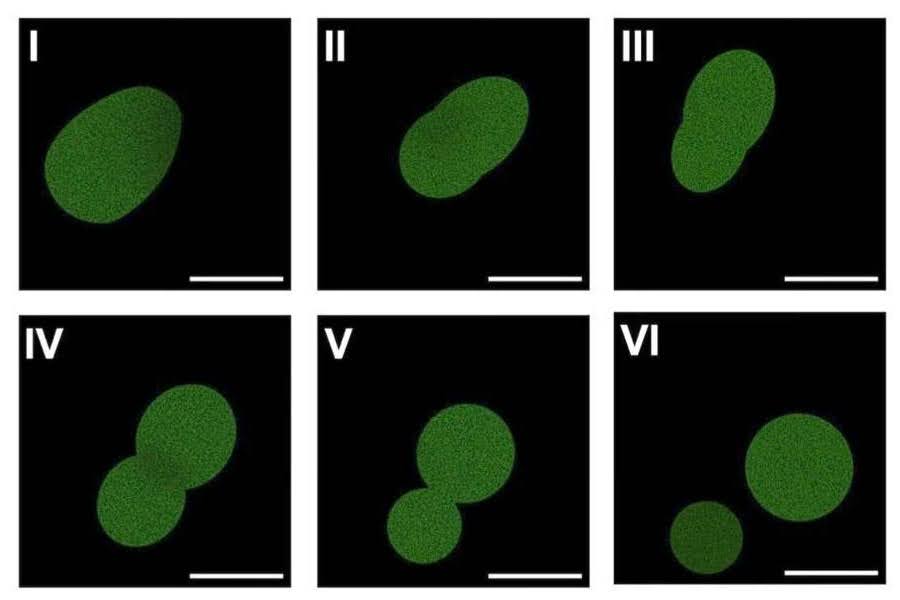
University of Minnesota researchers Kate Adamala and Aaron Engelhart said SpudCell could grow, copy its genome, feed and divide in a July 1 announcement that they described as the first synthetic cell with a complete life cycle. The construct was built entirely from non-living chemical components, and the result has already reopened a familiar fight in synthetic biology: whether a system that does many life-like things has actually crossed into life.
SpudCell was assembled bottom-up from purified parts rather than by modifying an existing organism, and the researchers say the system is chemically defined, with no unknown building blocks. They say it can carry out energy use, growth, genome replication, feeding and genetically encoded division. The team also reported selection across generations, saying a faster-growing genetic variant outcompeted the original after five generations.
The design matters because it gets around a bottleneck that has limited cell engineering for years. Instead of relying on an internal cytoskeleton to divide, SpudCell uses proteins that crowd onto the membrane surface until mechanical stress splits the membrane. Its genome is only 90 kbp, smaller than the 113 kbp some biologists had speculated might be enough for a living cell, and it is split across seven separate DNA plasmids rather than one chromosome. That modular setup gives the researchers a way to program functions independently and, in their account, makes the system easier to modify.
The practical stakes reach beyond the lab bench. The University of Minnesota says the work could eventually help with medicine and engineering, and Adamala and Drew Endy have launched a public-benefit corporation called Biotic to share the technology more broadly. Imperial College London’s Yuval Elani has framed the advance as important because it removes the constraints and evolutionary baggage that come with natural biology, while still stopping short of calling it a finished answer to the question of life.
That caution is the key to the hype check. Outside experts have called the work a major milestone, not proof that life has been created in the lab. SpudCell shows that chemistry can be organized to grow, replicate and compete, but it does not settle the deeper argument over what counts as alive, or where synthetic biology should draw its next ethical line.
This article was produced by Prism’s automated news system from verified source data, official records, and press releases, then run through automated quality and moderation checks before publishing. The system is built and supervised by the people who set the standards it runs under. Read our full AI policy.
Did this article answer your question?