University of Tennessee leads effort to perfect 2026 World Cup pitches
UT is testing 16 World Cup stadium pitches and dozens of training fields across North America to keep surfaces consistent, safe and ready for 48 teams.
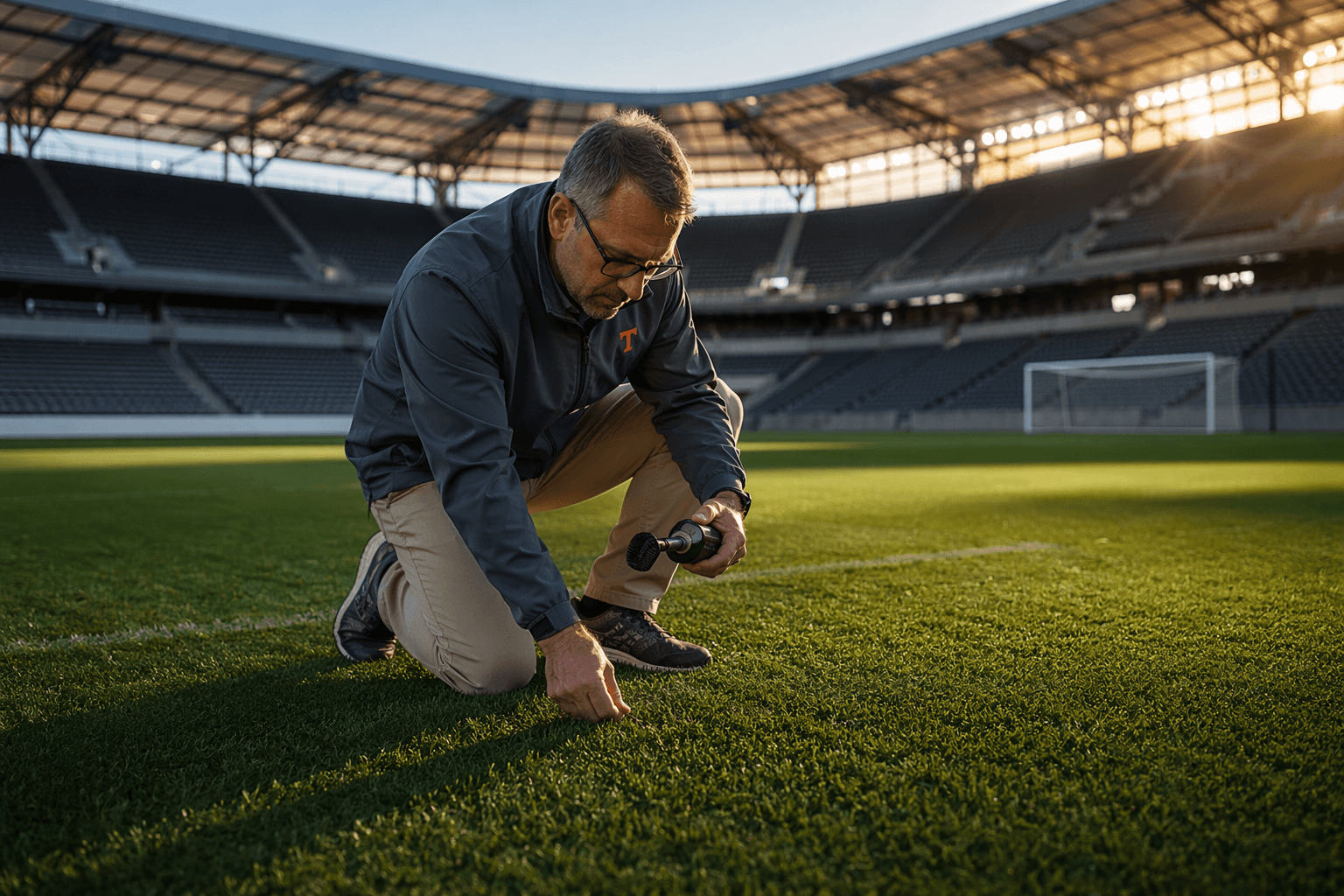
The most consequential World Cup work in the United States is happening far from a packed stadium. At the University of Tennessee, John Sorochan and a team of turf scientists are engineering 16 stadium pitches and dozens of training fields across the United States, Canada and Mexico so 48 teams can play on surfaces that behave the same way from opening whistle to final match. The aim is as much about player safety as appearance: every venue has to deliver consistent traction, speed and bounce whether it sits at sea level, at altitude, under open sky or inside a dome.
FIFA’s pitch management team chose UT, working with Michigan State University, nearly five years ago to research, develop, deliver and maintain the fields for World Cup 26. The project expanded to include the FIFA Club World Cup 2025, turning it into a six-year undertaking that Michigan State’s John “Trey” Rogers, Sorochan’s former mentor, has described as involving 16 stadium fields and about 150 training pitches. The tournament itself will be the largest in World Cup history, with 48 nations and 104 matches, which makes the field work a matter of national readiness as much as sports science.
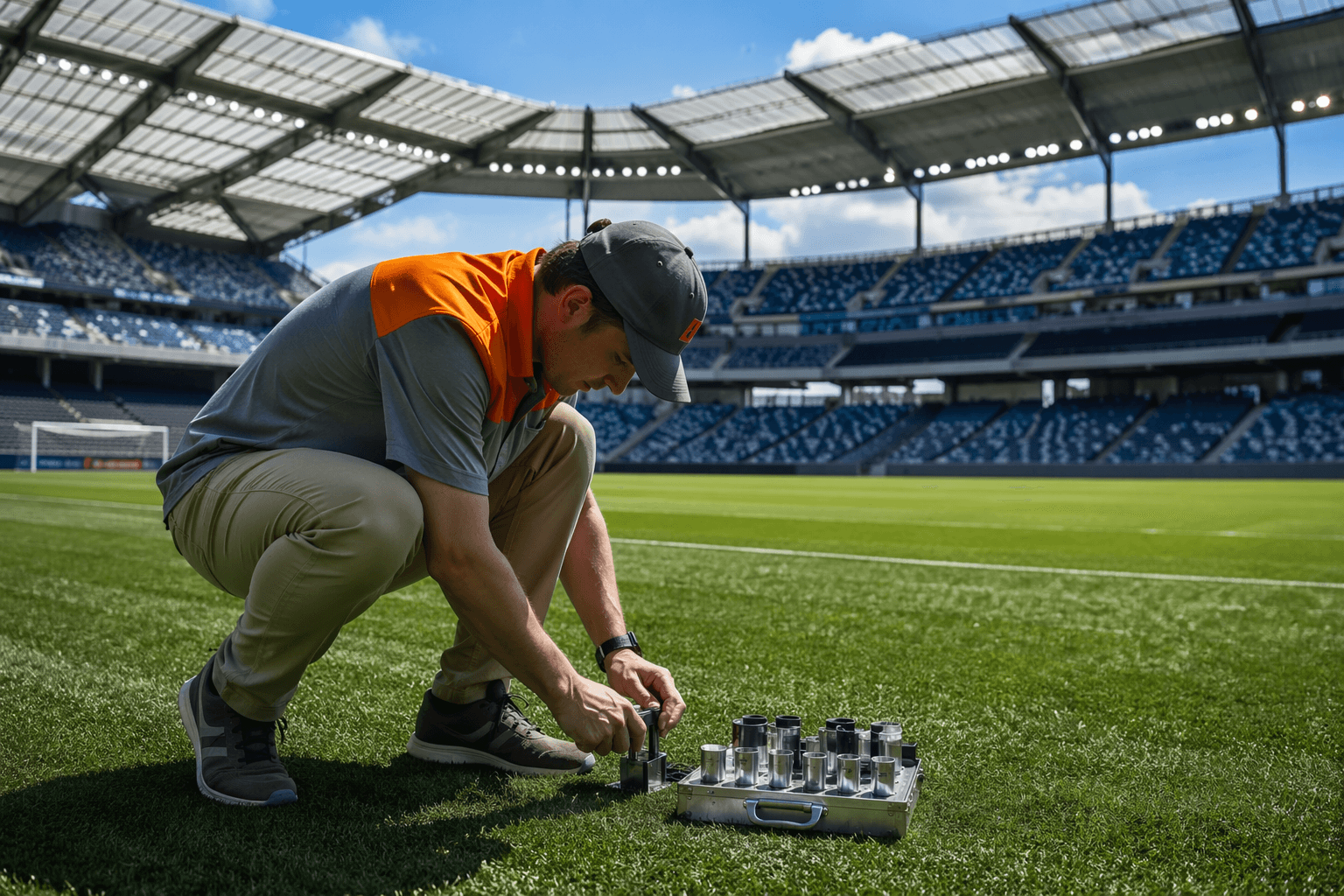
The surfaces being built are modular hybrid pitches that are still about 95 percent natural grass, reinforced with roughly five percent synthetic material and supported by layered drainage, ventilation and irrigation systems. UT says its turfgrass program is also using biomechanics and kinesiology partnerships, along with the fLEX device that simulates foot strikes, to measure playability and safety. In domed stadiums, UV grow lights are part of the equation because natural grass cannot survive tournament use without a sunlight substitute.
FIFA president Gianni Infantino visited Knoxville on February 12, 2025, and praised the research effort, saying FIFA had found the best people in the world to help make the pitches consistent across the tournament. Officials returned for a final pitch management research field day at UT from February 24-26, 2026, as the countdown to kickoff tightened. Sorochan and Rogers also bring history to the assignment: they previously helped with the indoor-grass setup for the 1994 World Cup in the Pontiac Silverdome in Detroit. UT says the work has drawn worldwide attention because the U.S. turfgrass industry alone is a $60 billion business, but the larger test is simpler. Stadium retrofits have to protect knees, ankles and hamstrings while producing the same standard across three countries, and the tournament’s credibility will ride on whether those fields hold up.
This article was produced by Prism’s automated news system from verified source data, official records, and press releases, then run through automated quality and moderation checks before publishing. The system is built and supervised by the people who set the standards it runs under. Read our full AI policy.
Know something we missed? Have a correction or additional information?
Submit a Tip