Unsealed note echoes Epstein writings, after years under seal
A judge unsealed a handwritten Epstein note, but experts still have not authenticated it. Its value now rests on handwriting, phrasing and where it was found, not on proof it was his.
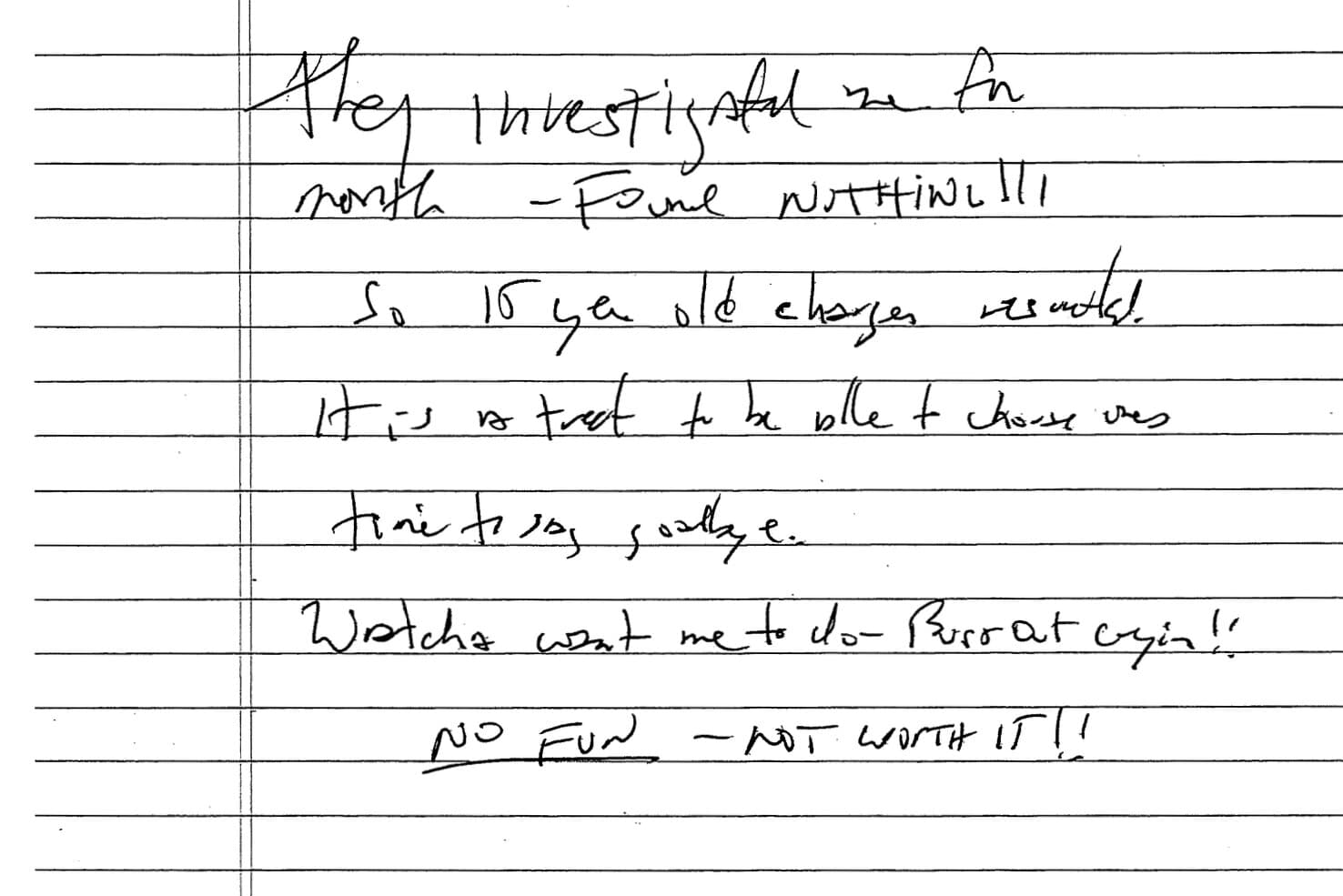
A handwritten note tied to Jeffrey Epstein has entered the public record, but the sharper question is what it can actually prove. The page was unsealed by a federal judge in White Plains, New York, after years under seal, yet it remains unauthenticated and its evidentiary value depends on how closely its handwriting, phrasing and provenance can be tested against Epstein’s known writings.
The note was found, Nicholas Tartaglione said, in a yellow legal pad tucked inside a book after Epstein’s unsuccessful suicide attempt on July 23, 2019. Less than two weeks later, Epstein was found dead in his Manhattan jail cell on August 10, 2019. A Justice Department Office of the Inspector General report said Epstein was discovered on July 23 with an orange cloth around his neck and friction marks on his neck.
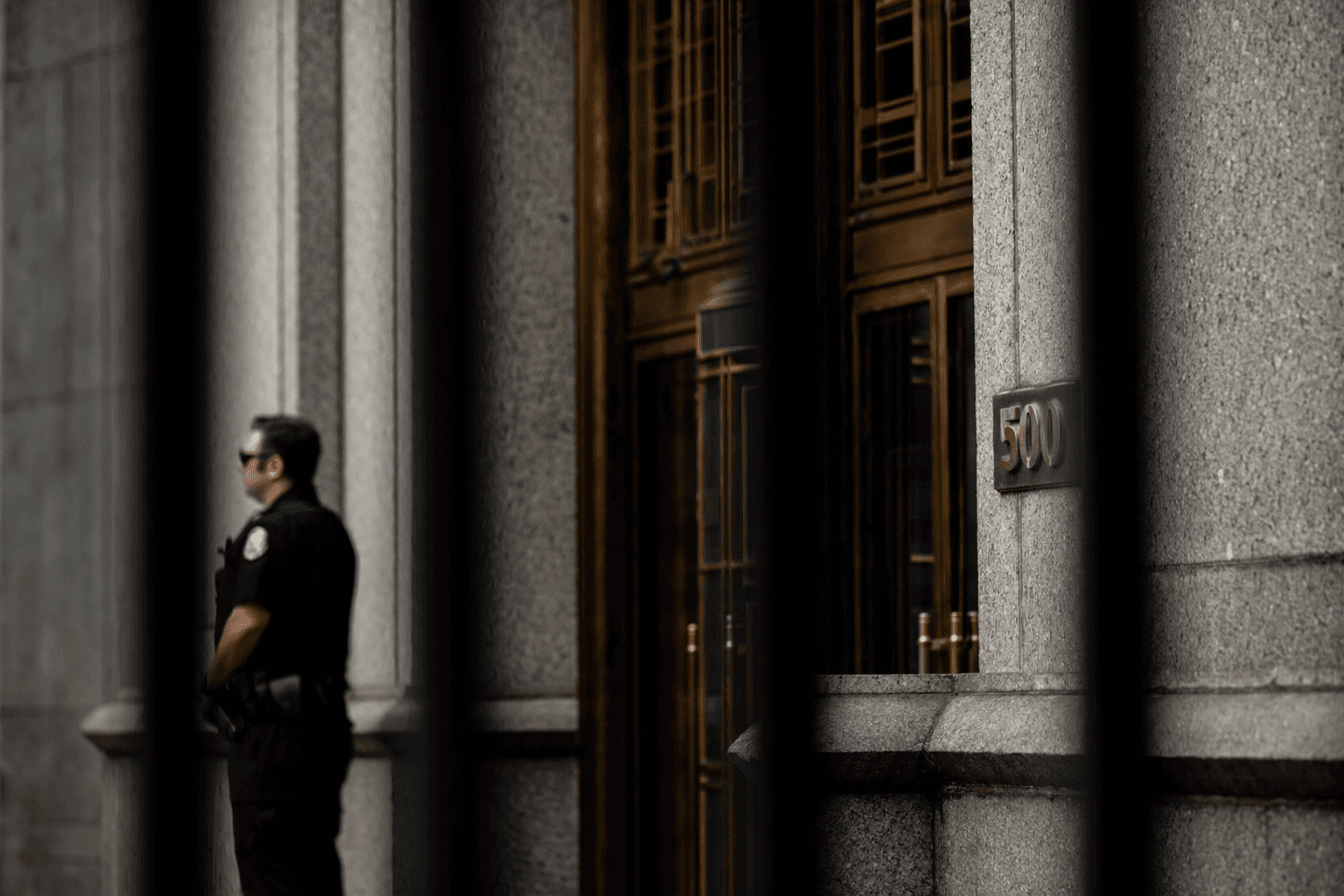
The page itself is handwritten on lined paper and has no signature. It includes the lines, “They investigated me for month - Found NOTHING!!!,” “It is a treat to be able to choose one’s time to say goodbye,” and “Watcha want me to do - Bust out cryin!! NO FUN, NOT WORTH IT!!” Another separate note previously recovered from Epstein’s cell also ended with “NO FUN!!,” a detail that has fed public suspicion for years.
That same suspicion is exactly why authentication matters. In court, handwriting can be compared to known samples for distinctive letter forms, spacing, pressure and phrasing. Provenance matters just as much: who found the document, where it was kept and whether prison records tracked it. In this case, the note was not mentioned in Federal Bureau of Prisons records and has not been independently authenticated, leaving a gap between resemblance and proof.
Bruce Barket, Tartaglione’s former attorney, said he never formally authenticated the note but became comfortable it was Epstein’s because of similar writing CBS broadcast on “60 Minutes.” The New York Times’ reporting said some phrases in the note echo Epstein’s earlier emails and even a line from a 1931 Little Rascals short film that Epstein used in at least two emails.
That distinction matters in a case still saturated with conspiracy claims around Epstein’s death, prison oversight and the documents tied to his criminal case. Similar language may strengthen an attribution argument; it does not settle authorship by itself. The unsealed note adds another fragment to the record, but the burden of proof remains on the handwriting, the chain of custody and the forensic review that can separate resemblance from certainty.
This article was produced by Prism’s automated news system from verified source data, official records, and press releases, then run through automated quality and moderation checks before publishing. The system is built and supervised by the people who set the standards it runs under. Read our full AI policy.
Did this article answer your question?