UO and EWEB Extend On-Campus Natural-Gas Turbine Pilot Through March
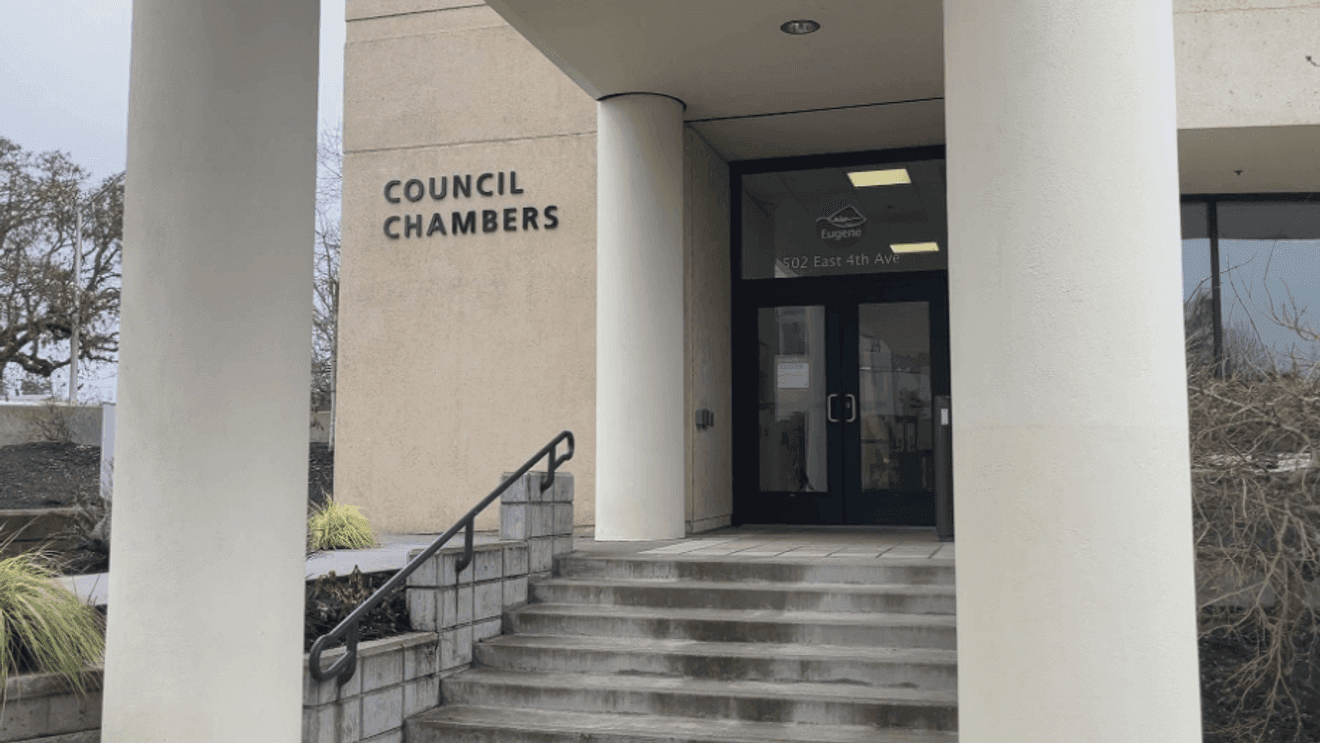
EWEB and the University of Oregon extended a pilot that lets EWEB run UO’s on‑campus natural‑gas turbine at the Central Power Station through the end of March, after the project — set to end Feb. 28 — went unused.
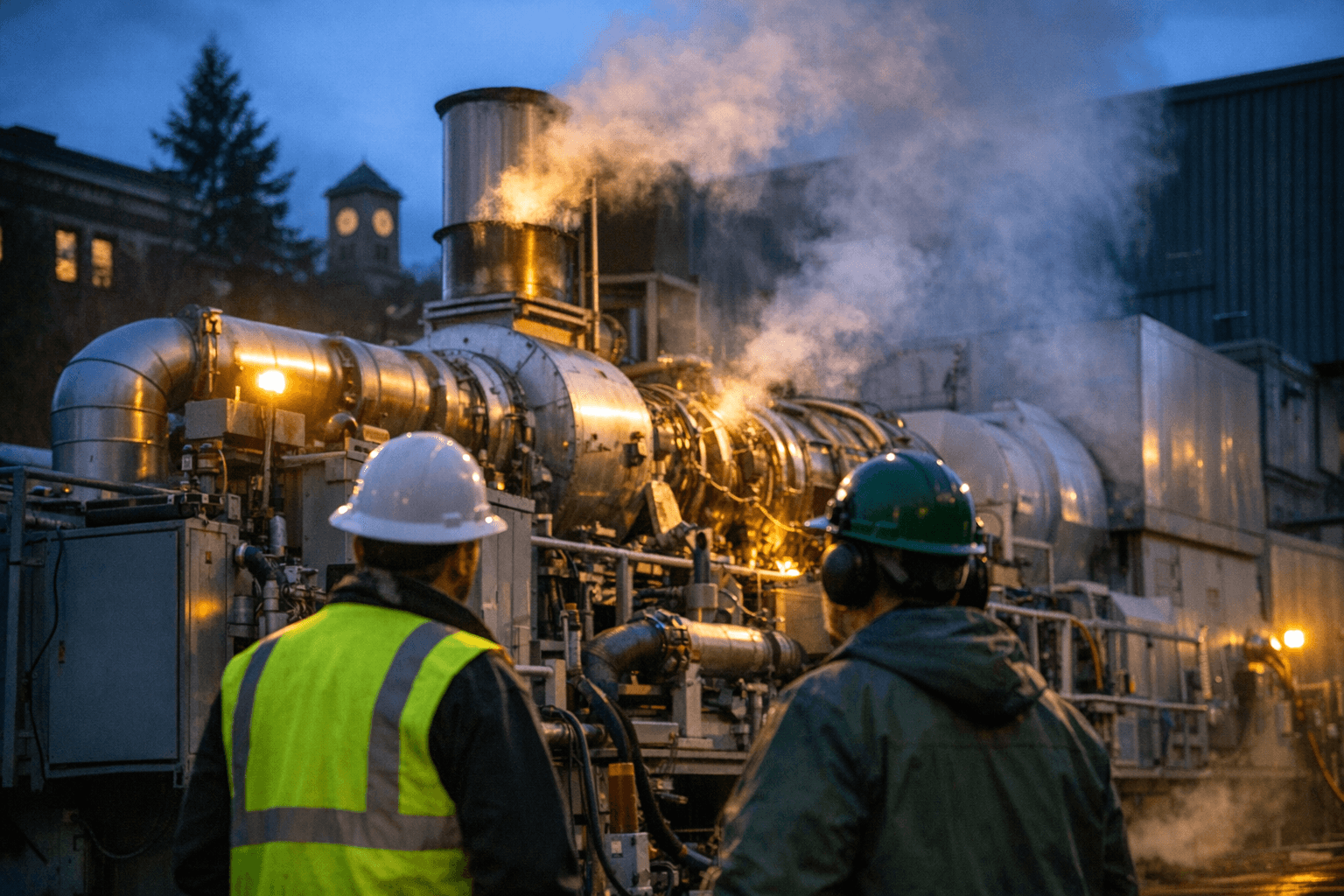
Eugene Water & Electric Board and the University of Oregon agreed to extend a short‑term pilot giving EWEB the option to operate the university’s on‑campus natural‑gas combustion turbine at the Central Power Station — located at Onyx Street and Franklin Boulevard — through the end of March, EWEB said. The pilot, which EWEB and UO say began in January, had been scheduled to end Feb. 28; Sierra Club’s Clean Heat Campaign says the pilot began on January 6.
The turbine is a combined heat and power generator built in 2011 and kept as a maintained backup since 2016, Central Oregon Daily reported. EWEB materials describe the unit as a natural gas CHP generator that “uses natural gas to generate electricity and captures the excess heat to produce steam for campus heating,” allowing UO to turn off one of its two gas‑powered boilers when the turbine runs. Central Oregon Daily also quotes Mital — no title provided in that excerpt — saying, “UO's turbine powers itself up independently and can be fully functioning in 8 minutes.”
EWEB and Brian Booth, EWEB’s chief energy resource officer, frame the pilot as a reliability and emissions test tied to regional supply risks. Booth said, “Having flexible, local generation resources gives EWEB more visibility and influence over how electricity is produced to meet Eugene’s needs, rather than relying solely on distant power plants operating elsewhere in the region.” In agency materials Booth added, “We’re quite confident that under certain conditions — specifically, when energy demand across the Northwest is high and natural gas power plants are all ramping up — the UO’s generator can reduce regional greenhouse gas emissions.” EWEB’s public materials also cite a warning of an “Energy shortfall of 9 gigawatts projected for the Northwest” and a risk of rolling blackouts by 2030 in a dry year with soaring demand, while the Register‑Guard notes EWEB supplies roughly 80 percent of its electricity from hydropower.
Opponents — including Sierra Club and Beyond Toxics — say the pilot conflicts with local climate goals and public health. Dylan Plummer of Sierra Club said, “It's really difficult to know if it's necessary or not, because we've heard very little to anything about this project.” In a longer Sierra Club statement Plummer added, “For close to ten years, students and community groups have been calling for the University of Oregon to plan to transition its heating system, the largest source of greenhouse gas emissions in the City of Eugene, off of fossil fuels … Instead of continuing their efforts to transition off of fossil fuels, the University seems intent to expand the use of polluting fracked gas on campus, a move that flies in the face of the City of Eugene’s Climate Recovery Ordinance, and their own public climate commitments.” Jennifer L. Davis of Beyond Toxics warned, “There is a growing body of research that conclusively shows the significant public health impacts of burning methane gas, linking it to increased risks of respiratory illness, cancer and strokes, among other symptoms … The University of Oregon and EWEB’s pilot to expand gas use at the University will dramatically increase NOx pollution in the heart of our city and threaten public health and safety.”
Operationally, EWEB says the pilot gives the utility the option to run the generator during the three‑month winter window if certain conditions are met while the agencies evaluate performance, greenhouse gas emissions, local air quality impacts, and financial implications. KVAL reported the pilot is expected to increase campus gas consumption by 65 percent during winter months. Register‑Guard and EWEB confirm that, to date, EWEB has not needed to turn on the generator this winter; EWEB said if March is also mild and the turbine is not needed they will consider extending the study next winter.
The extension through March leaves local planners, campus activists, and EWEB to test competing claims: whether a rarely used 2011 CHP unit can bolster Northwest reliability without undermining the City of Eugene’s Climate Recovery Ordinance and longstanding campaigns to decarbonize UO’s boiler system. EWEB and UO will reassess the pilot’s value after the March window ends.
Know something we missed? Have a correction or additional information?
Submit a Tip