Updated Buyer’s Guide: 10 Best Bath-Bomb Presses for Hobbyists and Small Producers
Learn which bath-bomb presses give the best mix of speed, consistency, and value for hobbyists and small producers, plus what to check before you buy.
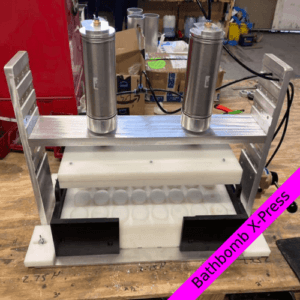
1. Bonoutil Pro
The Bonoutil Pro tops this list for its blend of durability and throughput—stainless-steel construction, adjustable head height, and multi-mold compatibility make it a workhorse for small-batch sellers. Expect straightforward disassembly for cleaning and a warranty/support pathway suited to growing micro-businesses. You get consistent compression that helps avoid crumbly centers and uneven fizz, which matters when building repeatable SKUs.
2. Bonoutil Compact
If bench space and budget matter, the Bonoutil Compact is a hobbyist favorite: a lighter-duty, hybrid-material press that keeps essential features—adjustable pressure, one- to two-mold options, and easy manual operation. It’s built for experimentation and seasonal product lines, letting you iterate recipes without a large upfront investment. Portability and simple cleaning keep your workflow nimble between craft fairs and your home setup.
3. Bonoutil Semi-Auto
The Bonoutil Semi-Auto bridges manual presses and fully electric machines—semi-automatic cycling speeds production while keeping a small footprint and simpler maintenance. Adjustable compression settings and a range of compatible mold inserts let you dial in density without sacrificing shape. For makers scaling beyond weekend batches, it’s a practical upgrade that preserves hands-on control.
4. Electric benchtop multi-mold press
An electric benchtop multi-mold press prioritizes uniformity and speed: motorized cycling, turret or multi-cavity molds, and consistent compression cycles reduce variability across runs. It’s best if you want dozens of identical units per hour and cleaner line yields for online sales. Note the trade-offs: higher initial cost, more parts to clean, and the need for reliable electrical supply.
5. Manual dual-mold cast press
The manual dual-mold cast press is a classic choice for makers focused on craftsmanship—simple lever action, easy swapping between two mold cavities, and uncomplicated cleaning. Throughput is modest, but density control is intuitive and ideal when you’re testing novel fragrances or fragile inclusions. Its low-tech reliability also means fewer warranty headaches and predictable maintenance.
6. Stainless-steel single-mold heavy-duty press
Prioritize sanitation and longevity with a stainless-steel single-mold heavy-duty press—excellent for recipes with oils or colorants that stain plastic. The single-mold format yields precise headspace control and is easier to clean thoroughly between scents. It’s a smart, slightly premium long-term buy when you plan consistent formulations and want equipment that won’t degrade.

7. Tabletop hydraulic press
A tabletop hydraulic press brings fine-tuned pressure control to your workflow, letting you compress denser bombs or experiment with luxury formulations that need firmer packing. It’s more complex to service, but the payoff is consistent density and fewer rejected pieces due to under- or over-compression. Balance the complexity against your sales goals—this is often best for premium lines rather than casual hobby use.
8. Modular mold-system press
Choose a modular mold-system press when variety is core to your brand—interchangeable molds, adjustable height, and standardized mountings let you rotate shapes and sizes with minimal downtime. This flexibility supports multi-SKU shops and seasonal releases without buying separate machines. Check mold compatibility carefully: ring diameters, cavity depth, and attachment standards matter when mixing third-party molds.
9. DIY and kit-style presses
DIY and kit-style presses are the cheapest path to scale experimentation: clamp-style or screw-action units, plastic molds, and compact footprints let you prototype unusual shapes and color splits. They won’t match the throughput or longevity of metal presses, but they’re excellent for learning filling technique, wet-to-dry timing, and batch consistency before investing. Focus on ease of cleaning and the ability to replace worn parts cheaply.
- capacity — how many bombs per hour you need and realistic fill/cure time;
- mold compatibility — ring size, cavity depth, and whether third‑party molds fit;
- build materials — stainless steel for durability and cleanup versus plastic for lower cost;
- ease of cleaning — quick disassembly and non-porous surfaces reduce cross-contamination;
- warranty/support — accessible parts and service keep downtime short;
- price category — budget, mid-range, or premium vs. your expected sales growth;
- where to check listings — manufacturer sites and major marketplaces for current pricing and replacement parts. Treat press choice as a production decision: match capacity and materials to your recipe and sales plan.
10. Buying checklist and final comparisons
When choosing, weigh these practical factors:
Closing practical wisdom: Pick the smallest press that reliably meets your capacity goals and recipe chemistry—stainless components and modular molds pay dividends as you scale, while semi-auto or electric models save labor when demand climbs. Test a few recipes for density and release on your chosen press before committing to larger runs, and keep spare seals or mold inserts on hand so a small repair doesn’t stall a whole production day.
Sources:
Know something we missed? Have a correction or additional information?
Submit a Tip

%2Fhttps%3A%2F%2Ffbi.cults3d.com%2Fuploaders%2F25255577%2Fillustration-file%2F63b5993d-a3f5-4a18-9083-273807086909%2Fwatermark.png&w=1920&q=75)