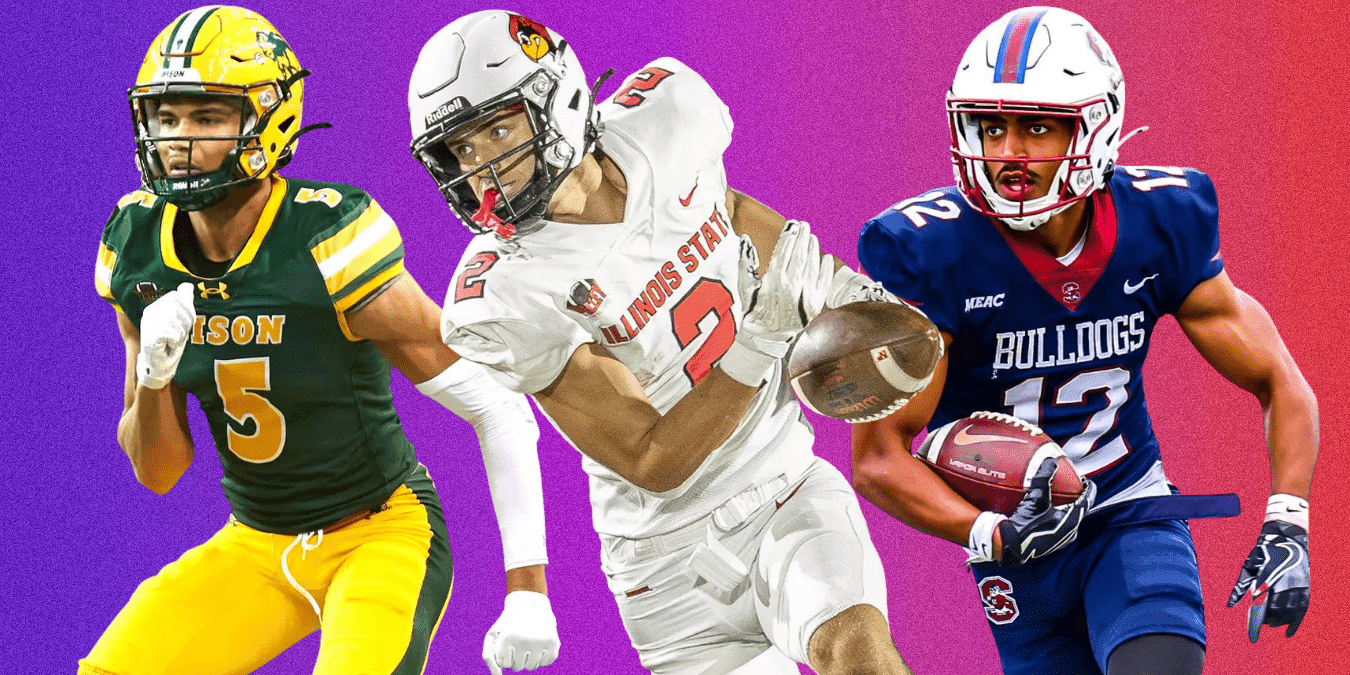
Updated List Reveals Largest 2026 FBS Payouts to FCS Opponents
An updated compilation lists McNeese’s $750,000 guarantee as the largest single‑game FBS payout to an FCS opponent in 2026, with dozens of FCS programs set to collect six‑figure game checks.
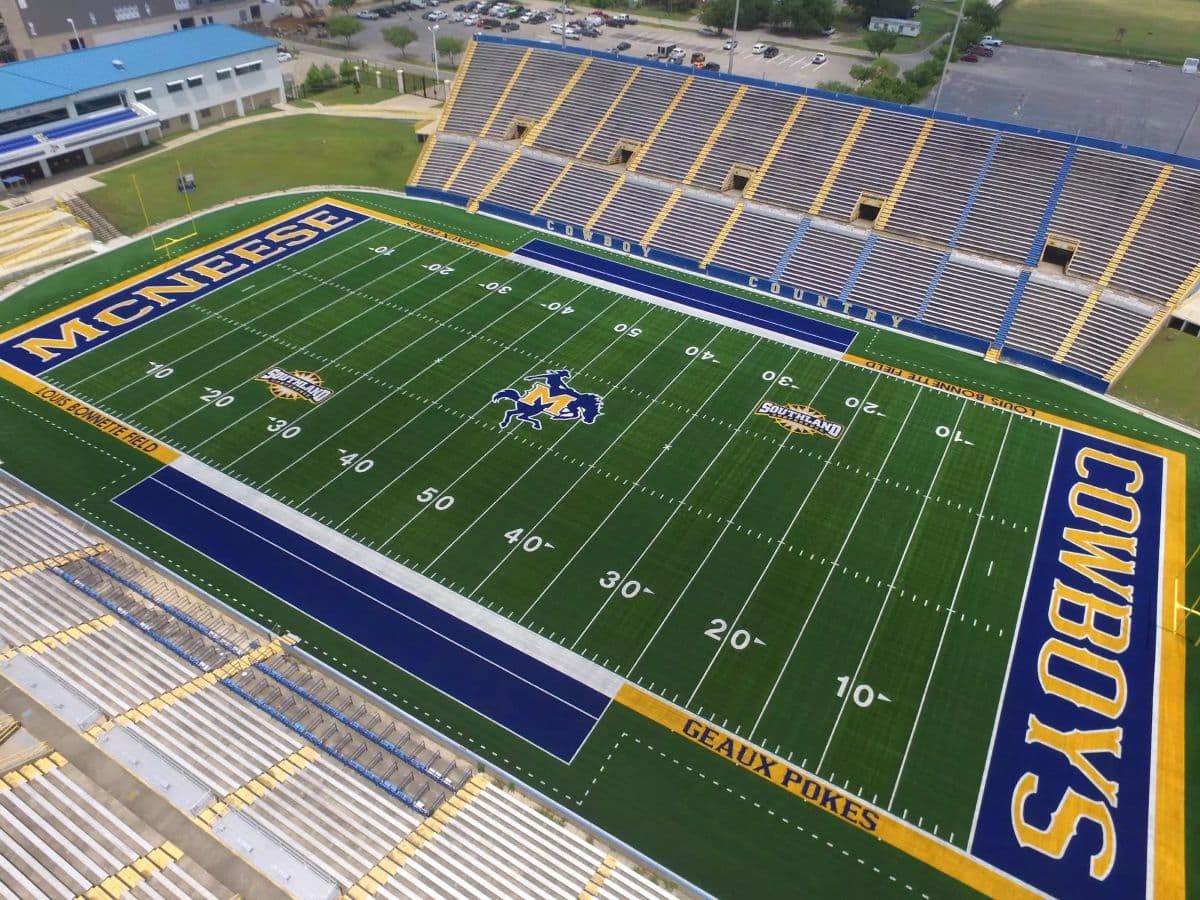
What the list shows (update March 3, 2026) An updated compilation of the largest FBS guarantees to FCS opponents — maintained on the College Football Every Day site and updated March 3, 2026 — lists the largest single‑game payouts scheduled for 2026..." That truncated header frames the dataset used here; matchup-by-match payouts come from HeroSports table excerpts that mirror that updated compilation. Together they reveal a striking reality: individual FCS programs can land single-game checks that rival midlevel annual operating line items for some departments, and those guarantees are concentrated against Power 5 opponents that value scheduling control and nonconference tune-ups.
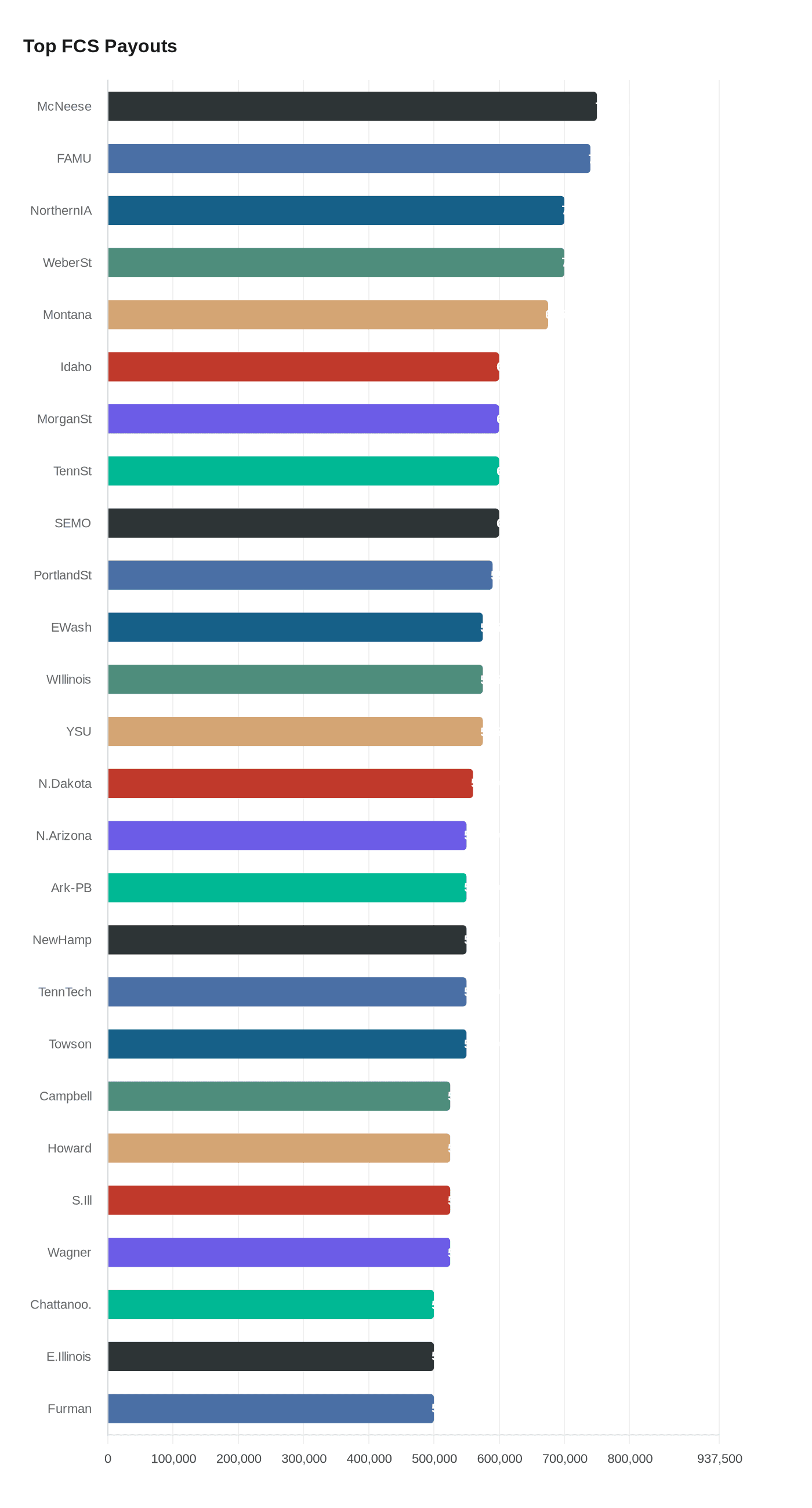
Top-tier guarantees At the top of the supplied list is McNeese at LSU for $750,000 — the largest single-game payout shown in the excerpts — followed closely by Florida A&M at Miami for $740,000. Northern Iowa and Weber State each land $700,000 paydays at Iowa and Colorado, respectively, while Montana’s visit to Oregon State carries $675,000. Those top figures are more than headline money: they are leverage in recruiting, facility upgrades and travel budgets. Seeing an HBCU (Florida A&M) and traditional FCS powers (Northern Iowa, Weber State, Montana) among the top payouts underscores how guarantee dollars flow to a mix of programs seeking exposure, not just perennial finalists.
$600,000 band: HBCUs and conference variety A cluster of four matchups sits at $600,000: Idaho at Utah, Morgan State at Arizona State, Tennessee State at Georgia, and Southeast Missouri State at Iowa State. That band features multiple HBCUs — Morgan State and Tennessee State — getting six‑figure compensation to play in Power 5 venues. For those programs, a $600,000 guarantee can materially offset season travel or fund coaching hires; for the host schools, the checks buy predictable home nonconference wins and television inventory. The presence of Idaho (playing Utah) and SEMO (at Iowa State) also shows midwestern and western scheduling diversity in guarantees.
Mid-high payouts, exposure and regional fit Portland State at Oregon is listed at $590,000, while Eastern Washington at Washington, Western Illinois at Wisconsin, and Youngstown State at Kentucky all line up at $575,000. Those amounts reflect geographic pairings and conference appetite for regional nonconference games that still deliver a premium. Hosting nearby FCS programs such as Portland State or Eastern Washington lets Pac‑12 and Big Ten clubs avoid long travel while guaranteeing a respectable opponent, and the payout levels here show that even geographically close FCS schools command significant cash for a single trip.
$560,000–$550,000: depth of six‑figure checks Entries between $560,000 and $550,000 include North Dakota at Nebraska ($560,000) and a string of $550,000 guarantees: Northern Arizona at Arizona, Arkansas‑Pine Bluff at Missouri, New Hampshire at Syracuse, Tennessee Tech at Mississippi State, and Towson at South Carolina. This grouping is notable for mixing regional midmajors, Northeastern FCS heavyweights and HBCUs. For programs such as Arkansas‑Pine Bluff and Towson, a $550,000 guarantee is both a revenue spike and an opportunity for players to perform on a national stage against Power 5 opponents.
The $525,000 tier: midweek economics and marquee matchups Campbell at Florida, Howard at Indiana, Southern Illinois at Illinois, and Wagner at Cal are each listed at $525,000. These mid‑five‑hundred figures typically go toward programs balancing schedule competitiveness with financial realities; a $525,000 payout often funds an entire recruiting cycle enhancement or covers multiple operational costs. The mix of midwestern and coastal matchups in this tier emphasizes that virtually every Power 5 footprint is tapping into FCS guarantees.
The broad $500,000 plateau A large cluster of FCS programs are shown pulling $500,000 guarantees: Chattanooga at Alabama, Eastern Illinois at Minnesota, Furman at Tennessee, LIU at Kansas, Nicholls at Kansas State, UT Martin at West Virginia, Villanova at Louisville, South Dakota State at Northwestern and Indiana State at Purdue. This plateau is the workhorse of FCS scheduling — nine distinct matchups at the half‑million mark indicate that six‑figure guarantees are routine for many FCS programs and are the baseline for national exposure and major‑conference travel.
$485,000–$475,000 and the mid‑four‑hundreds Wofford’s $485,000 visit to Ole Miss sits just below the half‑million threshold; Howard at Rutgers, Mercer at Georgia Tech, Western Carolina at Cincinnati, South Dakota at Boise State, Hampton at Maryland, and Portland State at San Diego State populate the $475,000 band. These payouts reflect Power 5 schools’ tolerance for competitive, regionally attractive opponents while maintaining scheduling flexibility. For the visiting FCS schools, they’re significant one‑game boosts that can sustain programs through uneven seasons.
$460,000–$450,000: balance of budget and competitivity Listed at $460,000 is UC Davis at SMU, with Cal Poly at San Jose State, Central Arkansas at Florida State, Delaware State at USF, ETSU at North Carolina, Murray State at Oklahoma State, Charleston Southern at Clemson, and Utah Tech at BYU in the $450,000 band. These matchups show a geographic spread from the southeast to the west and indicate major programs’ ongoing reliance on FCS opponents for nonconference scheduling; the sub‑$500k level still represents meaningful revenue for FCS athletic departments.
$425,000–$400,000: the long tail The lower band supplied includes NC Central at East Carolina ($425,000), Southern Utah at Colorado State ($425,000), Norfolk State at Virginia ($420,000), and a series of $400,000 guarantees — Northwestern State at Louisiana Tech, Idaho State at Utah State, Maine at Boston College, Montana State at Nevada, and Northern Colorado at Wyoming. These are still six‑figure checks that often represent the difference between running deficits or breaking even for smaller FCS programs.
What the list shows — and what it doesn’t The compilation cited above is maintained on the College Football Every Day site and was updated March 3, 2026, and the matchup amounts used here come from HeroSports table excerpts that mirror that compilation. The supplied excerpts contain ellipses and are partial; they do not include methodology, contract terms, whether amounts are net of expenses, or who signs the checks. That lack of contract detail matters for deeper analysis — a guarantee headline number does not reveal whether travel, lodging and guarantees to players are deducted or how payments are scheduled.
Business and cultural implications Beyond the ledger, these guarantees shape recruiting narratives and cultural exposure. A Florida A&M visit to Miami with a $740,000 guarantee places an HBCU in a major televised window and funnels resources back to an institution with historic, community‑facing importance. For many small FCS athletic departments, single‑game checks like the $750,000 McNeese at LSU payday can fund scholarships, facility projects or staff hires — tangible changes that touch local economies and campus life.
Conclusion This updated compilation, as reflected in HeroSports excerpts and the College Football Every Day update from March 3, 2026, maps a landscape where six‑figure guarantees are the financial lifeblood for many FCS programs and a scheduling tool for Power 5 schools. The distribution of payouts — from McNeese’s $750,000 high mark down through a broad set of $400,000–$600,000 games — will influence roster decisions, offseason budgeting and the optics of exposure in the 2026 season and beyond.
Know something we missed? Have a correction or additional information?
Submit a Tip